2025 Top 5 Specialty Chemicals for Sustainable Industry Innovations
The specialty chemicals industry is at the forefront of driving sustainable innovations across various sectors, with projections suggesting a remarkable growth trajectory in the coming years. According to a recent report by Allied Market Research, the global market for specialty chemicals is expected to reach $1 trillion by 2026, growing at a compound annual growth rate (CAGR) of 5.5%. This surge is driven by an increasing demand for environmentally friendly products and efficient manufacturing processes. As industries pivot towards more sustainable practices, the role of specialty chemicals in facilitating this transition becomes ever more critical.
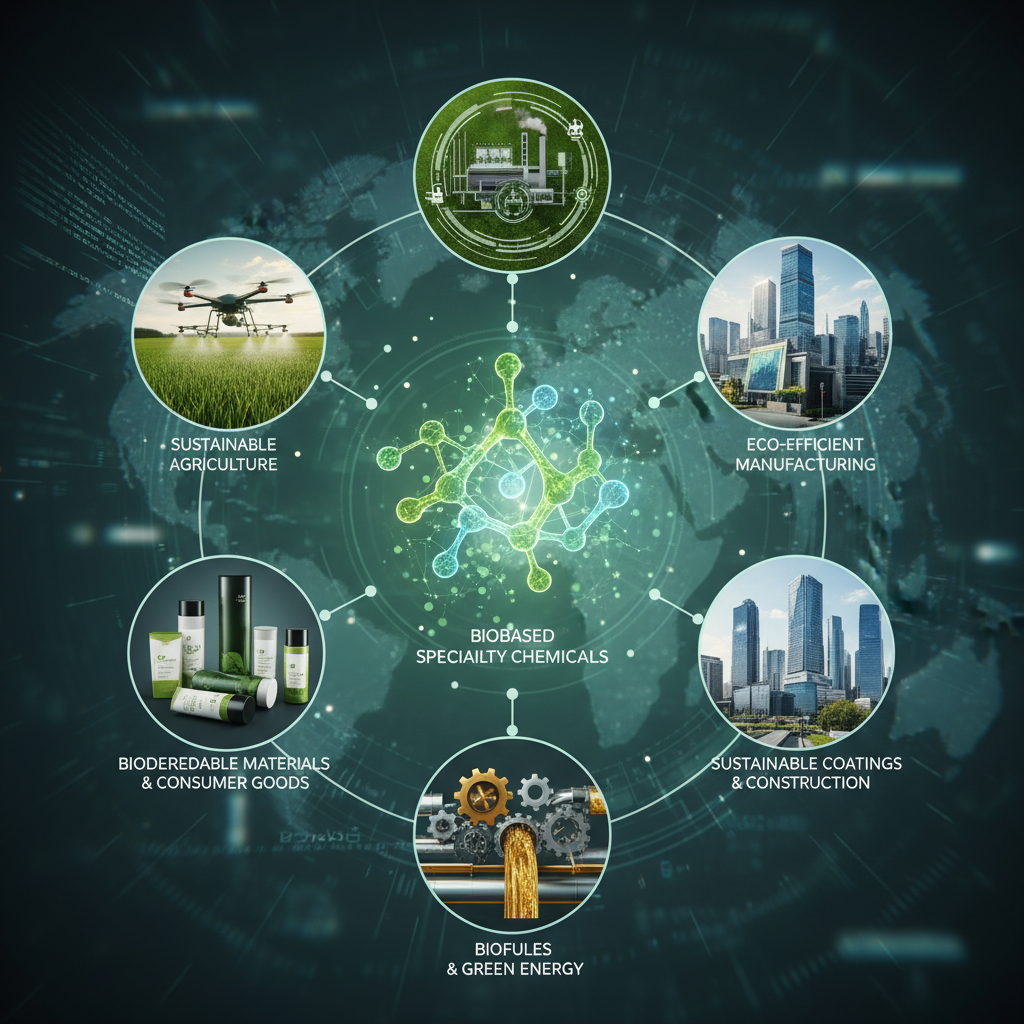
In particular, advancements in biobased specialty chemicals are set to revolutionize various applications, from agriculture to consumer goods. The Global Industry Analysts, Inc. highlights that the biobased specialty chemicals segment alone could reach $87 billion by 2024, driven by innovations in biofuels, biodegradable materials, and sustainable coatings. As companies strive to meet stringent regulatory frameworks and consumer demand for sustainability, the integration of specialty chemicals that promote environmental responsibility will be pivotal. Hence, this article explores the top five specialty chemicals anticipated to lead the charge in fostering sustainable industry innovations by 2025, focusing on their applications and potential impact on the global market.
Defining Sustainable Specialty Chemicals: Key Characteristics and Innovations
Sustainable specialty chemicals have emerged as a pivotal force in the chemical industry, driving innovation and reshaping manufacturing processes. Key characteristics of these chemicals include their minimal environmental impact, renewable sourcing, and enhanced safety profiles. The integration of AI-driven process optimization allows for more efficient manufacturing, reducing waste and energy consumption while improving product quality. This technological advancement supports the creation of chemicals that align with sustainable practices, catering to the growing demand for environmentally friendly solutions.
Circular chemistry is another significant innovation transforming the landscape of specialty chemicals. By promoting the recycling and repurposing of chemical materials, companies can significantly reduce their reliance on virgin resources. Furthermore, the focus on green hydrogen and bio-based feedstocks enhances sustainability by providing alternative raw materials that are less harmful to the environment. As the chemical industry evolves, these innovations are not just trend-setting but essential steps towards a more sustainable and resilient industrial future.
Emerging Trends in Biobased Chemicals for Sustainable Manufacturing

The landscape of sustainable manufacturing is rapidly evolving, with biobased chemicals at the forefront of innovation. As industries seek to reduce their environmental footprint, biobased chemicals—derived from renewable resources—are becoming pivotal in creating greener processes and products. These chemicals not only reduce reliance on fossil fuels but also contribute to a circular economy, enhancing sustainability throughout the supply chain.
Tip: Businesses looking to adopt biobased chemicals should start by evaluating their current chemical usage and identifying areas where sustainable alternatives can be integrated. Working closely with suppliers who specialize in biobased products can facilitate this transition and ensure a minimal disruption to operations.
Emerging trends indicate a significant push towards developing functional biobased chemicals that can meet the rigorous demands of various industries, from agriculture to textiles. Innovations in fermentation technology and enzymatic processes are driving down costs and improving the performance of these sustainable options, making them more viable for mainstream use.
Tip: To stay ahead in this industry shift, companies should invest in research and development focused on biobased alternatives. This will not only position them as leaders in sustainability but also open up new markets and customer bases that value environmentally conscious practices.
Advancements in Green Chemistry: A Path Towards Eco-Friendly Solutions

The landscape of the specialty chemicals industry is undergoing a transformative shift towards sustainability, fueled by advancements in green chemistry. According to a report by Grand View Research, the global green chemistry market is anticipated to reach approximately $49.4 billion by 2025, expanding at a CAGR of 9.1%. This growth is driven by increasing consumer demand for eco-friendly products and stricter environmental regulations, prompting companies to innovate their chemical manufacturing processes. By leveraging renewable feedstocks and optimizing processes to reduce waste, the industry is making significant strides in reducing its carbon footprint.
One of the key innovations in green chemistry is the development of bio-based solvents. These solvents, derived from renewable biological sources, not only minimize the reliance on petroleum but also exhibit lower toxicity profiles. According to a study published in the journal "Green Chemistry", bio-based solvents can reduce greenhouse gas emissions by up to 30% compared to traditional solvents. As industries adopt these sustainable alternatives, we can expect to see a ripple effect, encouraging further innovations that align with the principles of the circular economy. Embracing these advancements signifies a noteworthy shift towards a more sustainable future in specialty chemicals, highlighting the industry's commitment to environmental stewardship.
Evaluating the Life Cycle Impact of Top Sustainable Specialty Chemicals
The transition towards a sustainable industry increasingly relies on specialty chemicals that minimize environmental impact throughout their life cycle. According to a report by Grand View Research, the global specialty chemicals market is projected to reach USD 1 trillion by 2025, with a significant emphasis on sustainable solutions. This growth is driven by the rising demand for eco-friendly materials, which can lead to decreased carbon emissions and reduced resource consumption during production.
Evaluating the life cycle impact of specialty chemicals is crucial for understanding their overall sustainability. Life Cycle Assessment (LCA) methodologies indicate that chemicals derived from biobased feedstocks can reduce greenhouse gas emissions by up to 50% compared to conventional petrochemical products. Furthermore, the Ellen MacArthur Foundation highlights that transitioning to circular economy principles in chemical production can enhance resource efficiency, potentially yielding savings of USD 1 trillion annually by 2030. As industries increasingly adopt these innovative chemicals, the focus on life cycle impacts will be vital for achieving long-term sustainability goals.
Investment Opportunities: Driving Growth in the Specialty Chemicals Sector
The specialty chemicals sector is positioned for significant growth, driven by increasing demand for sustainable innovations. As industries become more environmentally conscious, investors are presented with lucrative opportunities to support the development of eco-friendly chemical solutions. This shift not only enhances operational efficiency but also aligns with global sustainability goals, making investments in specialty chemicals more attractive than ever.
In 2025, five key specialty chemicals are expected to lead the way in fostering sustainable industrial practices. These include biopolymers, green solvents, biodegradable surfactants, renewable feedstocks, and advanced coatings that promote energy efficiency. As companies seek to reduce their carbon footprints, the demand for these innovative chemicals will surge, catalyzing growth within the sector. Investors who focus on these emerging market trends can capitalize on the transition towards sustainable practices, paving the way for substantial returns and an impactful contribution to the planet’s well-being.