2026 Top Resin Craft Trends for Global Buyers Insights?
As the world embraces creativity, the Resin Craft industry anticipates significant shifts in 2026. Emerging trends reveal diverse approaches to artistry and design, attracting global buyers keen on vibrant aesthetics. Industry reports indicate that the resin market is projected to reach $10 billion by 2026, reflecting a growing demand for unique, handcrafted products.
Resin Craft has captured attention due to its versatility. Artists blend colors and textures, creating distinctive pieces. However, challenges remain, such as sourcing eco-friendly materials. As consumers become more environmentally conscious, the demand for sustainable options will rise. Incorporating bioplastics in resin production could prove vital for brands aiming to meet these expectations.
Moreover, the rise of online platforms has opened avenues for smaller artisans. Many creators have turned to social media for marketing, showcasing their intricate designs to a global audience. This shift also urges traditional retailers to adapt. While the future is promising, there is a need for continuous innovation and reflection within the Resin Craft sector. Craftsmanship must evolve alongside consumer preferences to thrive in this dynamic market.
Top Resin Craft Trends to Watch in 2026
As the world steadily moves towards 2026, the resin craft sector is evolving rapidly. Artisans and global buyers alike are excited to explore innovative designs and techniques that will define the upcoming trends. One notable trend is the use of sustainable materials. Consumers are increasingly looking for eco-friendly options. This shift not only promotes environmental consciousness but also appeals to a market eager for unique, handcrafted products. New formulations that allow for easier biodegradability are appearing frequently in creative communities.
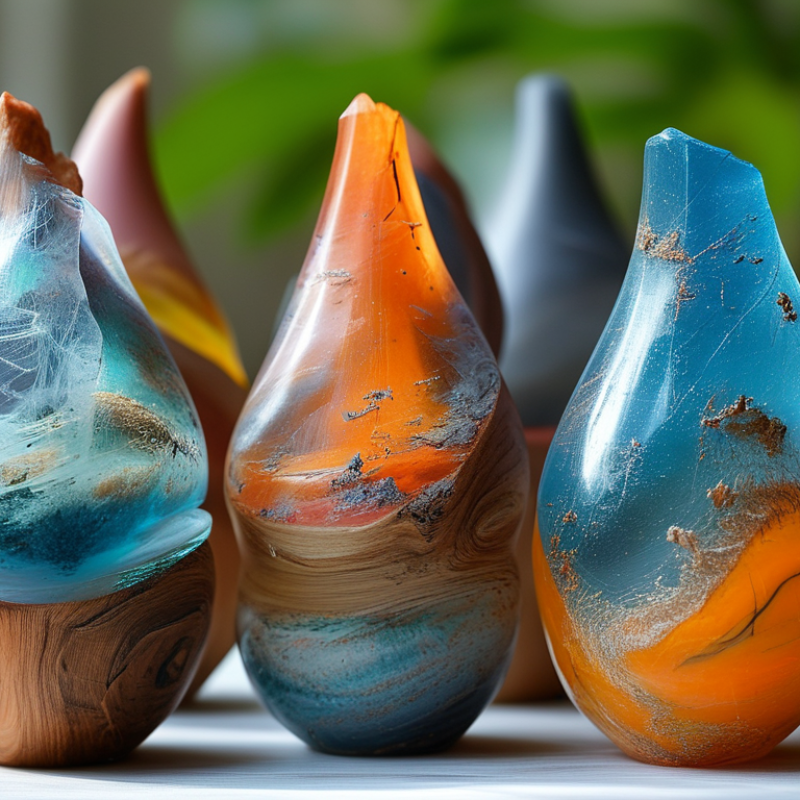
Another captivating trend involves mixed media approaches. Artists are blending resin with other materials, such as wood, metal, and fabrics. These combinations create striking visual effects. For instance, embedding natural elements like flowers or stones in resin adds a personal touch and enhances the aesthetic appeal. However, achieving a harmonious blend is challenging. It's essential for creators to experiment with proportions and techniques to avoid overwhelming the overall design.
Color trends are shifting toward bolder and brighter palettes. Rich jewel tones and vibrant pastels are expected to dominate. These shades infuse energy into the creations, drawing attention and sparking conversations. Craft enthusiasts must remain adaptable. Trends can shift overnight, and staying relevant in the resin craft world demands continuous innovation and reflection. Finding a balance between personal style and market preferences is key for success.
Innovative Materials and Techniques in Resin Craft
Resin craft is evolving with innovative materials and techniques. Artists are exploring sustainable options. Eco-friendly resins made from bio-based materials are gaining popularity. These resins not only reduce environmental impact but also offer unique textures and finishes.
Color effects in resin are another hot trend. Artists experiment with additives like pigments and glitter. The result is stunning layers and depth in artwork. However, balancing color intensity can be tricky. Too much pigment can obscure details, leading to less desirable outcomes.
Precision is vital in creating resin pieces. Using molds allows for uniform shapes and easy replication. However, achieving the perfect cure can be challenging. Temperature and humidity impact the final result. Start with small batches to test your approach. This helps identify potential issues before investing significant time and materials.
Sustainable Practices in Resin Craft Production
Sustainable practices are becoming essential in resin craft production. Many artisans are exploring eco-friendly materials to reduce their environmental impact. Utilizing plant-based resins can be a game-changer, offering alternatives to traditional petroleum-based options. These eco-conscious choices not only help the planet, but they also resonate with consumers who prioritize sustainability.
However, transitioning to sustainable practices is not without challenges. Sourcing materials might be difficult, and the performance of bio-based resins can vary. Artisans often face a learning curve when adapting new methods. Collaboration and knowledge sharing could bridge these gaps, providing insight into effective techniques and sustainable sourcing.
Maintaining transparency in production processes builds trust with buyers. Customers appreciate knowing the origins of materials. Sharing sustainable practices can differentiate a brand in a crowded market. It may lead to deeper connections with eco-aware consumers. Balancing creativity and sustainability is a continuous journey, one that requires ongoing reflection and adaptability.
Market Demand and Consumer Preferences for Resin Products
The resin craft market is booming, driven by evolving consumer preferences. Customers increasingly seek unique designs that reflect personal expression. More buyers are drawn to eco-friendly options, while affordability remains a key consideration. Both individual artists and larger creators are now focusing on customizable products that appeal to diverse tastes.
Visual appeal is paramount. Many consumers desire vibrant colors and intricate details in resin pieces. Simple designs may sell, but complex patterns attract more attention. Experimenting with different textures can also create engagement.
When creating resin products, strive for balance between aesthetics and practicality. Buyers appreciate durable items that maintain their beauty over time. Always test new materials for quality before launching. Remember, understanding market trends can guide your creative process. Adjust to what resonates most with buyers, and don't hesitate to seek feedback. This iterative approach can refine your products.
Global Influences Shaping the Future of Resin Crafts
The landscape of resin crafts is rapidly evolving, influenced by global trends and cultural shifts. Artists are now blending traditional techniques with modern aesthetics, creating unique pieces that resonate with diverse audiences. Sustainability is also a key factor, with many creators prioritizing eco-friendly materials and processes. This growing awareness is pivotal in shaping consumer preferences.
Craftsmanship has become increasingly collaborative. Artists are finding inspiration from different cultures and art forms, leading to innovative designs. For example, incorporating elements from nature not only enhances the beauty of the works but also tells a story. As international buyers seek authenticity, unique narratives behind each piece are gaining importance.
When diving into resin crafts, remember to experiment. Don’t be afraid to mix techniques or materials. This process often yields surprising results. Pay attention to feedback from fellow artists and buyers; it can offer valuable insights.
Create with a purpose in mind. Each piece should reflect not just aesthetics, but also your vision and values. Embrace imperfections; they often add character and depth to your creations.