China Best Chemical Plant Jobs for Global Buyers?
China is quickly emerging as a hotspot for chemical plant jobs, attracting global buyers and investors. The country's booming chemical industry offers a range of opportunities for skilled professionals. International companies seek to partner with local firms to navigate this vibrant market.
Potential candidates should consider various factors when exploring job prospects. The demand for expertise in engineering, safety, and environmental compliance is high. Many positions require specific technical skills, but the industry also values adaptability and innovation. A lack of understanding of local regulations can be a barrier for foreign professionals.
Despite the exciting opportunities, challenges exist. Some applicants may struggle with language barriers or cultural differences. This industry also demands rigorous adherence to safety standards. Those navigating chemical plant jobs in China must reflect on these complexities to succeed.

China's Chemical Industry Overview and Global Significance
China's chemical industry plays a vital role in the global market. It is a powerhouse of production, supplying a wide range of chemicals used in various sectors. From agriculture to pharmaceuticals, the impact is substantial. However, challenges such as regulatory compliance and environmental concerns persist.
Buyers should consider several factors when engaging with Chinese chemical plants. Start by evaluating their certifications and production capabilities. Assess the quality of raw materials used. It’s essential to visit facilities when possible. Personal observation provides invaluable insights. Evaluate their environmental practices, which reflect both responsibility and sustainability.
Additionally, stay updated on industry trends. Market dynamics shift rapidly. This knowledge can help in negotiation and partnership decisions. Engage with local experts who can provide relevant insights. Building relationships within the industry enhances communication and trust. Be cautious with contracts; ensuring clarity can prevent misunderstandings.
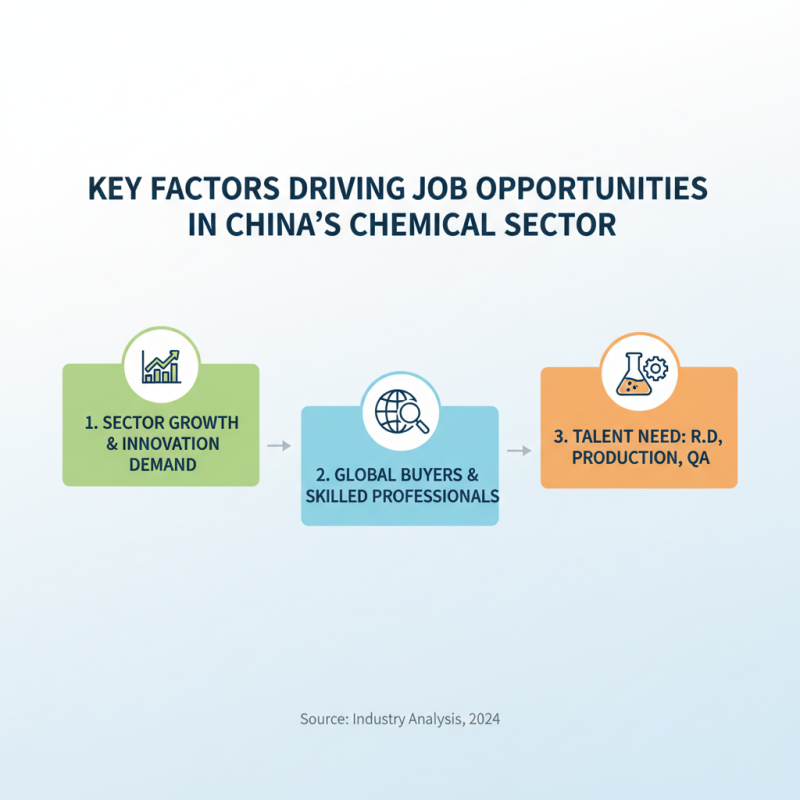
Key Factors Driving Job Opportunities in China's Chemical Sector
The chemical sector in China is experiencing significant growth. This trend creates a wealth of job opportunities for global buyers. The demand for innovative chemical products is rising, leading to an increased need for skilled professionals. Companies are actively seeking talent in areas like research and development, production, and quality assurance. This presents a chance for international candidates to tap into a booming market.
Several factors contribute to this growth. For one, the Chinese government promotes investment in sustainable practices. This shift encourages firms to hire experts in green chemistry. Additionally, advancements in technology enhance production efficiency. As processes become more automated, there is a demand for technicians who can maintain and optimize these systems.
However, challenges exist. The job market can be competitive, and navigating the local industry requires cultural insight. Language barriers may pose difficulties for foreign applicants. Employers often seek candidates familiar with local regulations and market dynamics. Understanding these nuances is crucial for success.
Top Chemical Plants in China: A Comprehensive List for Global Buyers
China has become a central hub for the chemical industry, attracting global buyers looking for reliable partnerships. The country's chemical sector has been growing steadily, with reports indicating an annual growth rate of 5-7% through 2025. Several top chemical plants in China are known for their advanced technologies and efficient production processes. These plants are essential for buyers seeking high-quality materials while adhering to strict environmental regulations.
One notable trend is the shift toward sustainable practices. Many Chinese chemical plants are investing in greener technologies. For instance, a significant portion of companies, about 30%, is focusing on producing bio-based chemicals. This shift not only meets global demand but also reflects a commitment to reducing carbon footprints. Despite these advancements, challenges remain. Some factories still face issues with waste management, creating room for improvement.
Another aspect to consider is the competition among chemical plants. A dense network of manufacturers can lead to price fluctuations. According to industry analysts, this competition may create opportunities for negotiations. Global buyers can leverage this situation to secure better deals while ensuring quality. Understanding these dynamics is crucial for international stakeholders aiming to build long-term relationships in China’s chemical landscape.
Essential Skills and Qualifications for Careers in China's Chemical Plants
In the dynamic field of China's chemical industry, professionals are increasingly sought after. Candidates need to blend technical knowledge with practical skills. A strong background in chemical engineering is essential. Familiarity with safety regulations is equally important. Many positions require hands-on experience in laboratory techniques. This practical knowledge sets candidates apart in a competitive job market.
Additionally, soft skills are vital. Effective communication fosters teamwork in the high-pressure environment of a chemical plant. Problem-solving abilities are crucial. Workers often face unexpected challenges that require quick, innovative solutions. Understanding data analysis can also provide an edge. Applicants should be comfortable with interpreting complex reports and charts.
However, not every applicant meets these criteria. Many lack real-world experience or struggle with teamwork. This gap can lead to frustration and missed opportunities. Continuous learning is key. Many professionals find that ongoing education helps enhance their skill set. Reflecting on one's strengths and weaknesses can guide career growth in this vital industry. Reflecting on past experiences might reveal areas for improvement, key to advancing in this dynamic field.
China's Chemical Plant Job Skills and Qualifications
Future Trends and Challenges in China's Chemical Workforce
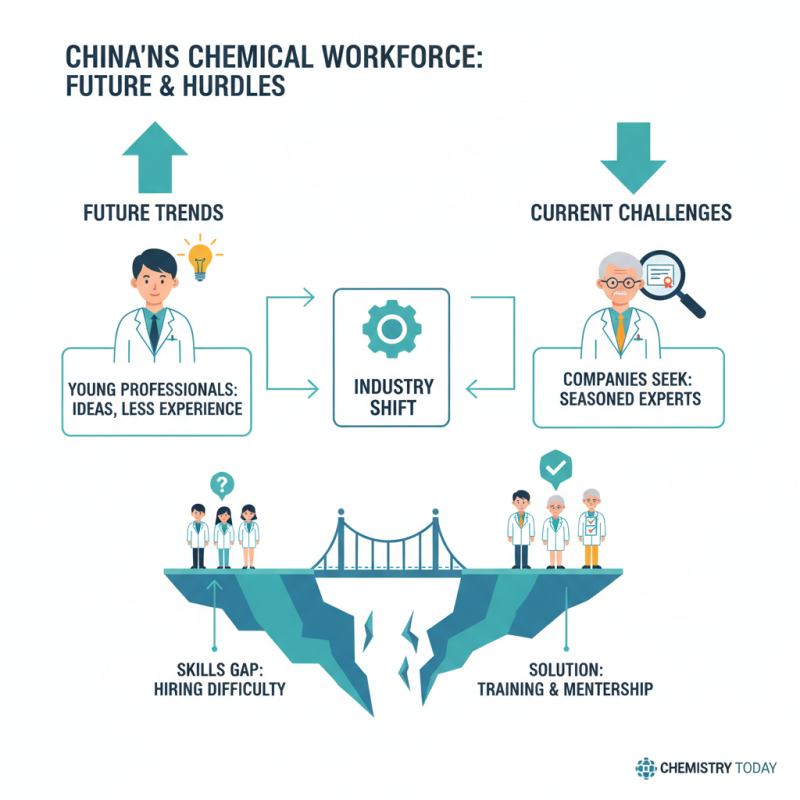
The chemical workforce in China is facing significant changes. Young professionals are entering the industry, bringing fresh ideas. However, many lack practical experience. Companies often seek seasoned experts, leading to a skills gap. This disparity poses challenges for hiring managers.
As automation rises in plants, the need for tech-savvy employees grows. Workers must adapt to new technologies and processes. Training programs must evolve to keep pace with these developments. Many existing programs need improvements and updates. Current curricula may not fully address emerging skills. Bridging this gap is crucial for maintaining a competitive edge.
Moreover, the aging workforce is a pressing issue. Many experienced employees are retiring, creating a vacuum. This transition requires careful planning. Engaging younger talent is essential. It ensures continuity and innovation within companies. Cultivating a culture of mentorship could be beneficial. This approach allows the exchange of knowledge and ideas, but it requires effort and commitment from both sides.