Best Hospital Furniture for Sale What to Consider Before Buying?
When considering the best hospital furniture for sale, several factors come into play. The right furniture can significantly impact patient care and staff efficiency. A recent report from Healthcare Facilities Today shows that 70% of healthcare professionals believe that proper furniture improves the overall patient experience.
Dr. Emily Hart, a renowned expert in healthcare ergonomics, emphasizes, “Choosing the right hospital furniture can enhance both comfort and functionality.” Cost, material quality, and safety standards are critical. Many facilities overlook these aspects, leading to potential challenges. Investing in subpar furniture can lead to higher replacement costs.
Moreover, compliance with health regulations is non-negotiable. Each piece must meet specific requirements for safety and sanitation. Many hospitals face backlash due to these oversights. It’s essential to evaluate all options before making a decision on hospital furniture for sale. Making informed choices can lead to long-term benefits for patients and providers alike.
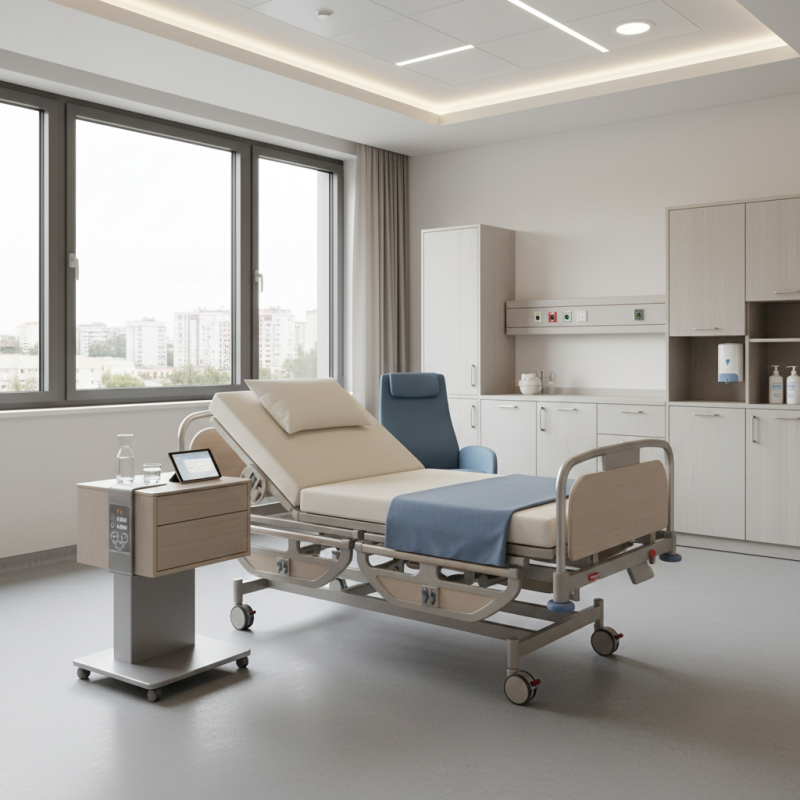
Factors to Consider When Choosing Hospital Furniture
When selecting hospital furniture, several factors are crucial. Comfort and ergonomics should be a top consideration. Patients spend long hours on beds or in chairs. The right furniture can significantly affect their recovery. A well-designed chair can enhance a patient's comfort. It can even encourage better posture and relaxation.
Durability is another key factor. Hospital furniture endures heavy use daily. Scratches, stains, and wear are common. Choosing materials that are easy to clean and resistant to damage is essential. However, even the most durable furniture needs proper care. Regular maintenance can prolong its life significantly.
Lastly, consider the design and functionality. Hospital furniture should match the clinical environment. It must be practical yet appealing. Color choices and aesthetics can impact patient mood. However, striking the right balance can be challenging. Aesthetically pleasing yet functional pieces exist, but they require careful selection. Seek what fits the specific needs of your healthcare facility.
Types of Hospital Furniture Available for Purchase
Hospital furniture comes in various types, each serving a specific purpose. Beds are essential for patient care. They should offer comfort and adjustability. Look for features like height adjustment and easy mobility. Sturdy materials are also important, ensuring durability over time.
Chairs are another crucial piece of hospital furniture. Patients and visitors need comfortable seating. Consider armrests and easy-to-clean fabrics. Wheelchair accessible options are essential for inclusivity. Exam tables require special attention too. They must be sturdy and at an appropriate height for medical staff.
In addition to these basics, storage solutions can help maintain order. Lockable cabinets safe-guard sensitive items. However, finding the right balance between functionality and aesthetics can be tricky. You may need to reflect on the space available and the specific needs of your facility. Quality should not be compromised, but it’s important to stay within budget constraints as well.
Sales of Different Types of Hospital Furniture
Material Durability and Maintenance of Hospital Furniture
When selecting hospital furniture, material durability and maintenance are key factors. The furniture will face heavy use. It must resist wear and tear from daily activities. Connecting parts and surfaces can be susceptible to damage. High-quality materials make a difference in longevity.
Consider using steel or solid wood. Metal furniture is often more durable than wood. However, wood can add warmth to a clinical environment. Vinyl upholstery is easy to clean and resistant to staining. Regular maintenance is crucial. It helps maintain the aesthetic appeal and functionality.
Some materials can show wear over time, leading to tough repairs or replacements. Not all furniture will withstand the same conditions. High humidity or frequent disinfections may affect certain materials differently. It's essential to assess the specific needs of the hospital environment. Choosing the right materials requires careful consideration.
Best Hospital Furniture for Sale: What to Consider Before Buying?
| Furniture Type | Material | Durability Rating | Maintenance Level | Average Cost ($) |
| Hospital Bed | Stainless Steel | High | Low | 2000 |
| Patient Stretchers | Aluminum | Medium | Medium | 1500 |
| Overbed Table | Wood with Laminate | Medium | Low | 300 |
| Visitor Chairs | Plastic and Steel | Low | Very Low | 150 |
| Examination Tables | Vinyl and Steel | High | Medium | 800 |
Ergonomics and Comfort in Hospital Furniture Design
When choosing hospital furniture, ergonomics and comfort are critical factors. Furniture that supports proper posture can reduce strain on healthcare workers and patients. For instance, adjustable beds enhance comfort for patients, offering raised positions for easier access. Meanwhile, ergonomic chairs help staff work efficiently without fatigue.
Tips for selecting hospital furniture include checking adjustability. Adjustable features accommodate different body types. It’s also wise to consider the materials used. Surfaces should be easy to clean and resistant to wear. Furniture must endure the rigors of hospital life.
Pay attention to the design as well. Color and style can impact the overall atmosphere. A welcoming environment improves patient morale. Remember, function does not have to sacrifice aesthetics. Striking a balance is key.
Budgeting and Cost Considerations for Hospital Furniture Buying
When budgeting for hospital furniture, consider the initial costs versus long-term investments. According to a recent industry report, facilities can spend anywhere from $5,000 to $50,000 on furniture per room. A piece of quality furniture may cost more upfront but can reduce replacement and maintenance costs. Durable and versatile furniture can enhance patient satisfaction too.
Another critical factor is understanding the total lifecycle cost. This includes upkeep, repairs, and replacement rates. Current data shows that about 70% of healthcare facilities experience furniture wear in just a few years. Opting for high-quality materials can mitigate this issue. Hospitals should also account for the comfort and functionality for both staff and patients, balancing cost with quality.
Consider space utilization as well. Inadequate planning might lead to overcrowded areas or inefficient workflows. Studies indicate that space-per-bed ratios in hospitals are declining, which puts pressure on furniture choices. Each decision impacts the environment and operational efficiency. When making choices, remember: the lowest price is not always the best value. Costs can extend beyond purchase price into potential disruptions in care delivery.