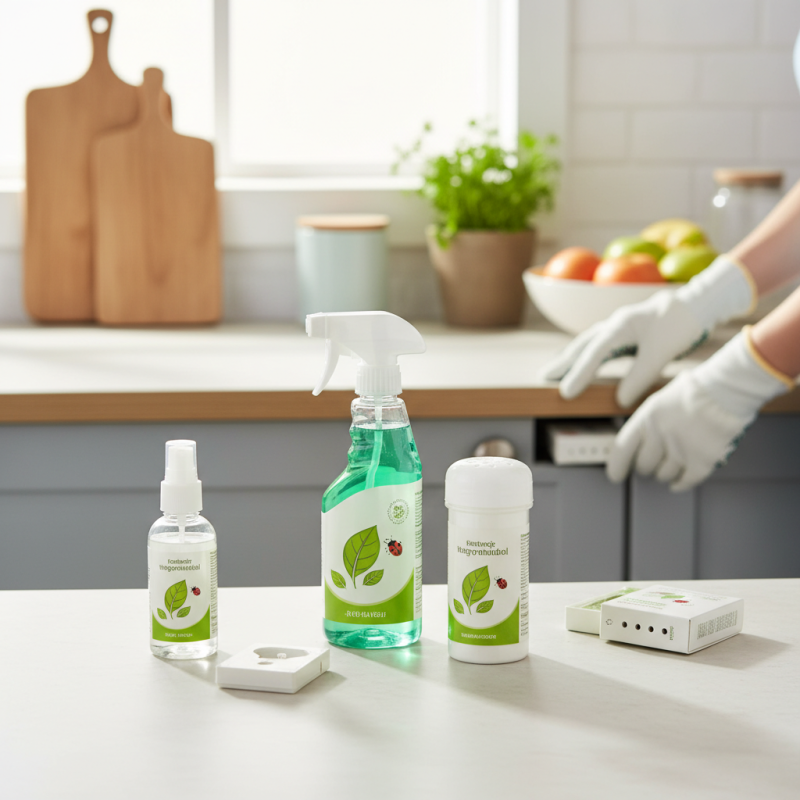
Best Household Insecticides for a Pest Free Home?
Maintaining a pest-free home is a common challenge for many families. Household insecticides play a crucial role in keeping unwanted pests at bay. These products come in various forms, making it easy to choose one that suits your needs.
However, it's important to consider their safety. Some household insecticides contain harsh chemicals. They can pose risks to pets and children. Therefore, understanding the ingredients is essential. Look for products that are effective yet safe for your living environment.
Additionally, using insecticides requires caution. Overuse can lead to resistance in pests. This can make future pest control more difficult. Thus, it's vital to balance efficacy and safety when selecting a household insecticide. Thoughtful choices can lead to a more harmonious home.
Types of Common Household Pests and Their Risks
Household pests come in various types, each posing unique risks. Ants are commonly seen in kitchens. They contaminate food and multiply quickly. Cockroaches hide in dark places and can trigger allergies. Bed bugs feed on blood and cause itchy bites. All these pests can impact health and comfort at home.
To manage these pests, start with prevention. Keep food sealed and clean up crumbs. Regularly check for cracks in walls where insects may enter. If you find a pest, don’t ignore it. Early action can prevent larger infestations.
For a pest-free home, consider natural deterrents. Essential oils, like peppermint, can repel insects. Vinegar is a simple cleaning agent that can disrupt pest trails. Remember, controlling pests is an ongoing process. It requires patience and attention. Regular inspections can help spot issues before they scale up. Stay vigilant and proactive for the best results.
Understanding the Different Forms of Insecticides
Insecticides come in various forms, each designed for different needs. Liquid sprays are common. They offer quick action against pests. Granules can be spread around gardens and lawns. They work by targeting pests in the soil. Powders are often dusted into cracks and crevices, reaching hidden areas.
Understanding the form of insecticide you choose is crucial. Some require careful application to avoid harming beneficial insects. For example, outdoor granules can impact earthworms. Make sure to read application instructions thoroughly. Measure accurately to avoid overuse. It’s easy to think, “more is better,” but this can lead to poor results.
Tip: Always wear protective gear when applying pesticides. This ensures personal safety while handling chemicals. Also, consider using bait stations for targeted pest control. They can be effective and limit exposure to children and pets. Keeping track of where pests are concentrated can help in deciding the best method for treatment. This approach may feel tedious, but it can save time and effort later.
Criteria for Choosing the Best Insecticide for Home Use
When choosing the best insecticide for your home, consider safety first. Look for products that are labeled for indoor use. This ensures they are safe for you and your family. Check the ingredients too. You want something effective but not overly toxic.
Do research on the types of pests you have. Different insects require specific treatments. For example, ants, roaches, and spiders may each need a different approach. Understanding your enemy helps in choosing the right product. Reading user reviews can offer insights. There are always mixed experiences.
Tips: Always test a small area first. This helps avoid unexpected damage or reactions. Keep pets and children away during application. Proper ventilation is key. It’s not just about effectiveness; it’s also about how you use it. Make sure to follow instructions closely for the best results.
Best Household Insecticides for a Pest Free Home
| Insecticide Type | Active Ingredient | Target Pests | Application Method | Safety Rating | Effectiveness Duration |
| Spray | Pyrethrins | Cockroaches, Flies, Mosquitoes | Aerosol Application | Low | 2-4 Weeks |
| Granule | Bifenthrin | Ants, Fleas, Ticks | Spread on Soil | Moderate | 3 Months |
| Duster | Percarbonate | Bed Bugs, Fleas | Powder Application | High | Indefinite when dry |
| Liquid Concentrate | Lambda-Cyhalothrin | Spiders, Ants, Cockroaches | Dilute and Spray | Moderate | 4-6 Weeks |
| Trap | Attractant | Mice, Cockroaches | Stationary | Very Low | Indefinite |
Safety Tips for Using Insecticides Indoors
When using insecticides indoors, safety should always be a priority. Avoid spraying or applying products near food areas. Always keep children and pets away from treated spaces. Insecticides can have harmful effects if ingested or inhaled. Ensure the room is well-ventilated during and after application. Opening windows and using fans can help disperse fumes quickly.
Remember to read the labels carefully. Understanding the instructions can prevent accidents. Do not exceed the recommended dosage. A heavier application does not equal better results. The concentration might pose more risk than benefit. Store products in original containers, clearly labeled, and out of reach of children.
It happens. Sometimes, accidents occur despite safety measures. If someone is exposed, seek immediate help. Have emergency numbers easily accessible. Also, regularly reassess your pest control strategies. Some methods may fail or cause more harm than good. It's essential to reflect on what works best for your home.
Natural Alternatives to Chemical Insecticides for Pest Control
Chemical insecticides have raised concerns about safety and environmental impact. Many homeowners seek effective natural alternatives. Studies indicate that natural pest control methods can significantly reduce pest populations. For example, essential oils like peppermint and tea tree oil have been proven to repel insects. In fact, a study from the American Entomological Society noted that peppermint oil can deter up to 50% of common pests.
Vinegar, a common household item, is another effective solution. It can be used to clean surfaces that attract ants and roaches. Data shows that a diluted vinegar solution can disrupt the pheromone trails that pests follow. Additionally, diatomaceous earth is a natural powder that can harm soft-bodied insects. It's safe for humans and pets when used properly. Many families report success with these methods, yet not all find them suitable.
Some individuals may struggle with the effectiveness of natural alternatives. Results can vary based on the specific pest and situation. Homeowners may need to experiment with different techniques. This process can be frustrating but may lead to a deeper understanding of pest behavior and household habits. Embracing these natural methods requires patience and testing to find the right approach for a pest-free environment.