2026 Best Sodium Humate Applications and Benefits for Buyers?
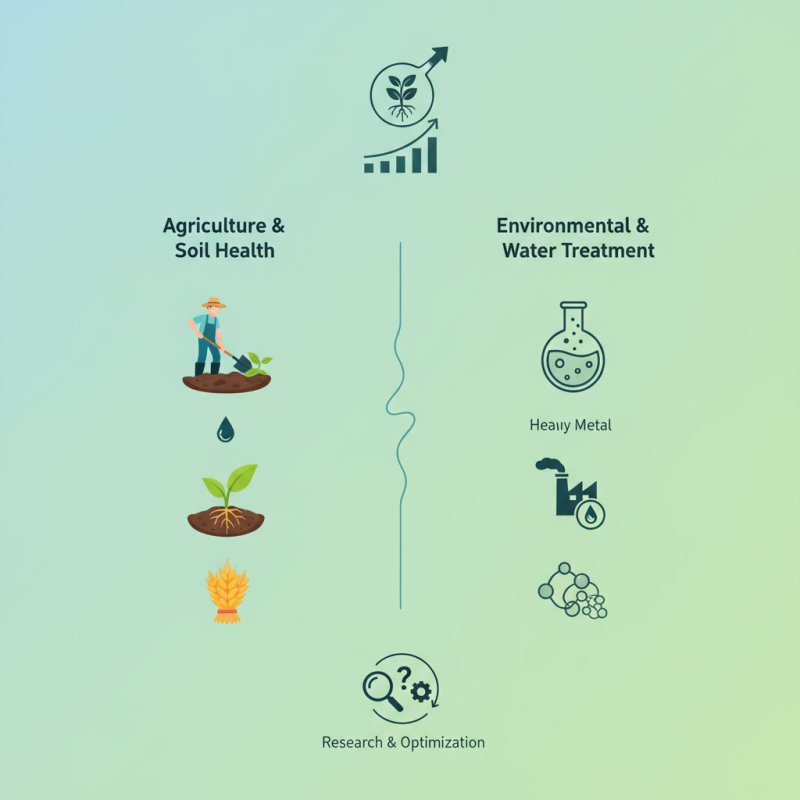
Sodium Humate has emerged as a key player in various industries, especially in agriculture and environmental management. Recent research by the International Humic Substances Society indicates that the global demand for sodium humate is growing at an annual rate of 9.2%. This rise is largely due to its role in enhancing soil health and crop productivity. Farmers are increasingly using sodium humate to improve soil structure and water retention, which leads to better yields.
Moreover, sodium humate's applications extend beyond agriculture. Its potential in wastewater treatment is gaining attention. A 2022 study found that sodium humate effectively removes heavy metals from polluted water, presenting a sustainable solution for environmental challenges. These insights reflect the versatility and effectiveness of sodium humate, yet it's vital to approach its application with care. Many users may not fully understand optimal usage, leading to inconsistent results.
As we explore the best applications and benefits of sodium humate for buyers in 2026, we must look critically at both successes and shortcomings. The market is ripe with opportunities, but staying informed about best practices and recent developments is essential for maximizing its benefits. The evolving landscape of sodium humate will continue to shape industries in significant ways.
Understanding Sodium Humate: Definition and Composition
Sodium humate is derived from lignite, a type of coal. It consists of humic acids and other organic compounds. This natural substance is often praised for its beneficial effects on soil and plant health. It's essential for improving soil structure and enhancing nutrient retention.
Farmers widely use sodium humate for its ability to stimulate plant growth. It promotes microbial activity in the soil, which is crucial for healthy crops. This organic amendment helps increase water absorption, making soils more resilient. However, not all sodium humate products are created equal. Buyers must consider purity and source.
In practice, the effectiveness of sodium humate can vary. It may not deliver immediate results in all conditions. Variability in soil type and climate can influence performance. Conducting soil tests prior to application is a wise approach. This ensures that sodium humate will provide the intended benefits. Careful application can lead to improved crop yields and sustainable farming practices.
Key Applications of Sodium Humate in Agriculture and Horticulture
Sodium humate is gaining traction in agriculture and horticulture. This natural humic substance is derived from lignite and offers numerous benefits. One of its key applications is as a soil conditioner. It improves soil structure, enhancing aeration and drainage. Healthier soil leads to better root systems, which is crucial for plant growth.
Another vital application is in nutrient delivery. Sodium humate assists in the efficient uptake of essential nutrients. It binds to nutrients, making them more available to plants. This can lead to healthier crops with higher yields. In addition, sodium humate improves microbial activity in the soil, fostering a more balanced ecosystem.
However, some challenges persist. The effectiveness of sodium humate can vary based on soil types and climate. Not all farmers fully understand how to apply it correctly. This can lead to inconsistent results. Education and research are key to maximizing its potential benefits. A more informed approach can help in overcoming these barriers.
2026 Best Sodium Humate Applications in Agriculture and Horticulture
This bar chart illustrates the key applications of Sodium Humate in agriculture and horticulture along with their estimated benefits based on recent studies and data.
Environmental Benefits of Sodium Humate in Soil Health Improvement
Sodium humate offers significant environmental benefits, particularly in improving soil health. This natural soil conditioner is derived from lignite or peat. It helps enhance soil structure, leading to better aeration and water retention. As a result, crops can grow more robust, yielding healthier harvests.
Incorporating sodium humate into soil boosts microbial activity. A vibrant microbial community is crucial for nutrient cycling. This process improves the availability of essential nutrients for plants. Also, sodium humate can reduce soil compaction, allowing roots to penetrate deeper. However, the effects may vary depending on the soil type and application method.
Farmers and gardeners might find that timing and dosage significantly impact the results. Over-application can lead to unintended consequences, like nutrient imbalance. It’s essential to monitor soil health regularly. That way, adjustments can be made as needed. While sodium humate shows great promise, continuous evaluation ensures optimal benefits for soil ecosystems.
2026 Best Sodium Humate Applications and Benefits for Buyers
| Application Area | Benefit Type | Description | Estimated Effectiveness (%) |
| Agriculture | Soil Health | Enhances soil structure and aeration | 80% |
| Horticulture | Nutrient Availability | Improves nutrient retention and availability to plants | 75% |
| Environment | Pollution Mitigation | Reduces the impact of pollutants in soil and water | 70% |
| Land Reclamation | Restoration of Degraded Lands | Facilitates recovery of barren or degraded lands | 85% |
| Forestry | Growth Promotion | Stimulates growth of trees and vegetation | 78% |
Sodium Humate in Industrial Uses: Versatility and Effectiveness
Sodium humate stands out in various industrial applications due to its unique properties. Research shows that it enhances soil quality in agriculture by improving water retention and nutrient absorption. A recent report noted a 30% increase in crop yields when sodium humate was applied to soil. This biopolymer is also effective in water treatment processes. It binds heavy metals and removes organic contaminants, ensuring cleaner water supplies. An industry analysis highlighted a 25% reduction in pollutant levels.
In the construction sector, sodium humate serves as an excellent additive. When mixed with cement, it enhances workability and improves strength. A study indicated that sodium humate could increase compressive strength by 15% in concrete mixtures. However, users sometimes face challenges with consistency in application, leading to varying results. Adjustments in formulation may be necessary to achieve optimal benefits.
Overall, the versatility of sodium humate is evident across multiple industries. Its ability to boost production and improve product quality shows considerable promise. Nevertheless, it is essential to conduct thorough assessments to maximize its benefits while addressing any inconsistencies.
Choosing the Right Sodium Humate Products: Factors for Buyers
Choosing the right sodium humate products is crucial for effectiveness. Buyers often overlook specific factors when selecting these solutions. Understanding the composition and source of sodium humate can greatly influence its benefits for agricultural use. Products derived from quality sources may yield better results.
Tips: Always check the purity levels. Higher purity typically indicates fewer contaminants. This can lead to better performance in soil improvement.
Another key factor is the application method. Sodium humate can be used in various ways, such as soil amendment and in water treatments. Knowing how you plan to use it can determine the required product type.
Tips: Consider your soil type. Different soils may react differently to sodium humate. Tailoring your choice based on soil composition can maximize benefits.
Quality and reliable suppliers can make a significant difference as well. Established suppliers often provide comprehensive product information. This transparency can affect your purchasing decision.