Best Thermal Paper Roll Manufacturer in 2026 What to Know?
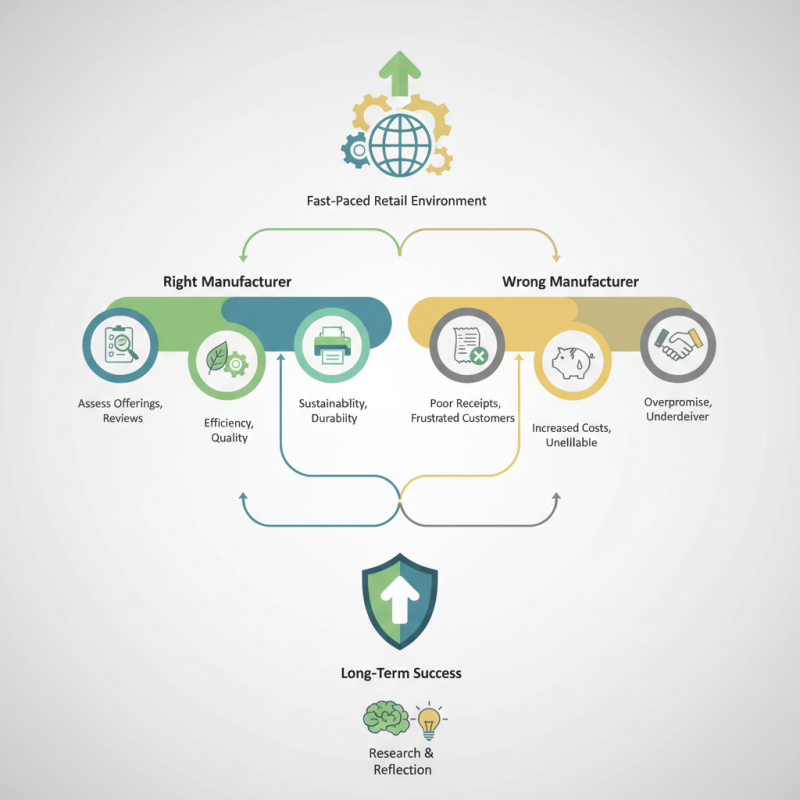
In today's fast-paced retail environment, choosing the right thermal paper roll manufacturer is crucial. Businesses rely on high-quality thermal paper for effective printing solutions. The right manufacturer can enhance efficiency and print quality. However, not all suppliers meet industry standards. It’s vital to assess their product offerings, customer reviews, and manufacturing processes.
Thermal paper quality varies significantly among manufacturers. A bad choice can lead to poor receipts, which frustrate customers. Moreover, sourcing from unreliable suppliers can increase costs in the long run. Many manufacturers overpromise but underdeliver, leaving businesses disappointed.
Investing time in research pays off. Look for manufacturers that prioritize sustainability and durability. Understanding the specifications of thermal paper can prevent future mistakes. Remember, not every manufacturer has the best interests at heart. Reflection on your supplier choices is essential for long-term success.
Understanding Thermal Paper and Its Applications in 2026
Thermal paper is essential in many industries today. It is commonly used in point-of-sale receipts, tickets, and shipping labels. The increasing demand for fast and efficient printing solutions has driven its popularity. In 2026, the thermal paper market is projected to grow significantly. A recent industry report indicated a compound annual growth rate (CAGR) of 5% between 2022 and 2026.
Understanding the various applications of thermal paper is crucial. It plays a vital role in retail, logistics, and healthcare. For instance, it ensures quick transaction processing. In healthcare, it generates patient records swiftly. However, not all thermal papers are equal. Some may not be durable or eco-friendly. Factors such as sourcing and quality control are vital considerations.
Tips: Always check the paper's longevity. Choose thermal rolls that offer resistance to fading. Assess the environmental impact of the products you select. The sustainability aspect is gaining momentum. Consumers are becoming more conscious of eco-friendly options, leading to stronger industry shifts.
Key Features to Look for in Quality Thermal Paper Rolls
When choosing thermal paper rolls, it’s essential to assess their quality. Look for paper that provides clear and crisp print. The clarity of the print affects readability. A roll made from high-quality materials ensures longevity. It can withstand fading over time.
Stability is another crucial feature. Quality rolls resist smudging and blurring. This is important, especially in busy retail environments. Rolls should also have a consistent width and diameter. Inconsistent size can lead to printer jams.
Consider the thermal sensitivity as well. Higher sensitivity means faster printing and sharper images. However, very high sensitivity sometimes leads to premature fading. Balance is vital here. Finally, check for certifications. These can indicate compliance with safety standards. While certifications help, the absence of them does not always indicate poor quality. Choosing the right thermal paper requires careful thought and evaluation.
Top Manufacturers of Thermal Paper Rolls in 2026
In 2026, the thermal paper roll industry continues to expand. A recent industry report predicts a substantial increase in demand. The growth is driven by sectors like retail, logistics, and healthcare. As businesses look for efficient receipt and label solutions, thermal paper provides an excellent option. Manufacturers now focus on sustainability, emphasizing eco-friendly sourcing.
Tips: Always check the quality of thermal paper before purchasing. Poor quality can lead to fading and unprintable receipts. Consider the size and type of paper that suits your needs.
Leading manufacturers in this space prioritize advanced technology. Innovations improve print quality and reduce costs. Some companies are integrating features like durability against fading. It's a competitive landscape. Companies must adapt quickly to changing market demands. However, not all manufacturers meet high standards. Many struggle with consistency in product quality. This inconsistency raises concerns among buyers.
Tips: Evaluate suppliers based on reviews and testimonials. Look for references from other businesses. It’s important to build strong relationships with reliable manufacturers.
Market Trends Impacting Thermal Paper Production and Quality
The thermal paper industry is witnessing dynamic changes in production and quality, driven by various market trends. As of 2023, demand for thermal paper rolls is projected to increase by 8.5% annually. This surge is primarily due to the rise in point-of-sale applications, particularly in retail and food service sectors. Notably, technology is evolving. Innovative printing techniques are enhancing speed and efficiency, yet they also raise questions about sustainability and waste management.
Environmental concerns are compelling manufacturers to rethink material choices. Reports indicate that over 50% of thermal paper currently on the market contains harmful chemicals like bisphenol A (BPA). This has led to a significant shift towards eco-friendly alternatives. Some manufacturers are exploring BPA-free options. However, these alternatives often come with increased costs and varied performance, creating a gap that needs addressing.
Additionally, fluctuating raw material prices can threaten production stability. Reports show that raw material costs surged by 15% last year. This volatility affects manufacturing decisions and could lead to price hikes for consumers. The challenge lies in balancing quality and affordability while actively responding to environmental standards. Manufacturers must adapt but also reflect on their strategies to ensure long-term sustainability in a rapidly changing market.
Sustainability Practices Among Leading Thermal Paper Manufacturers
Sustainability is a growing concern in the thermal paper industry. According to a report from Smithers Pira, over 50% of thermal paper manufacturers are adopting eco-friendly practices. Many are shifting to non-toxic chemicals, which are safer for both people and the environment. This change meets increasing consumer demand for sustainable products.
In 2026, the spotlight will be on manufacturers that prioritize sustainable sourcing. For example, using FSC-certified paper can significantly reduce environmental impact. Research shows that sustainably sourced paper production can lower greenhouse gas emissions by up to 30%. However, not all companies have made this shift. Some still rely on outdated practices, which raises questions about their commitment to sustainability.
Waste management is another urgent area. Currently, thermal paper waste tends to increase each year. Approximately 3.5 million tons of thermal paper are produced annually, yet only 25% is recycled. This inefficiency highlights the need for improved recycling technologies. Manufacturers must address this challenge, or their sustainability claims may lack substance. As the industry evolves, transparency and accountability will be key indicators of true sustainable practices.