Top 10 Chemical Waste Disposal Solutions in China for Global Buyers
Chemical waste disposal is a critical issue in today's industrial landscape. Experts emphasize the importance of sustainable practices in this field. Dr. Li Wang, a renowned expert in environmental science, states, "Proper chemical waste disposal is not just a regulatory requirement; it's essential for public health."
China is rapidly evolving in its approach to chemical waste disposal. The increasing industrial activities have led to a pressing need for effective solutions. Global buyers are often unsure about reliable disposal methods. This demand has spurred innovation and development in the sector. Various strategies range from advanced recycling technologies to safe incineration practices.
Yet, challenges remain. Not all facilities meet the highest standards. Some processes still raise safety and environmental concerns. Buyers must navigate this complex landscape carefully. Transparency and expertise are vital when selecting a disposal partner. Understanding the nuances of chemical waste management is crucial for responsible decision-making.
Overview of Chemical Waste Disposal in China
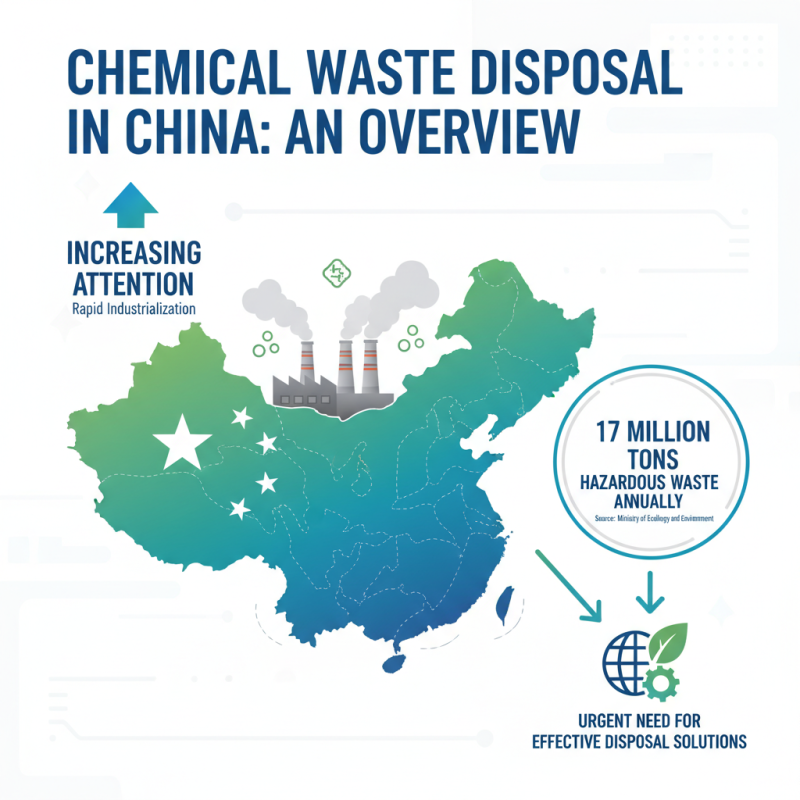
The management of chemical waste in China has gained increasing attention. With rapid industrialization, the country faces significant challenges in waste disposal. According to a report by the Chinese Ministry of Ecology and Environment, about 17 million tons of hazardous waste are generated annually. This staggering figure highlights the importance of effective disposal solutions.
Regulatory frameworks are evolving. China has implemented stricter guidelines to manage chemical waste. The introduction of the "Law on the Prevention and Control of Environmental Pollution by Solid Waste" in 2020 reflects this commitment. However, many companies still struggle to comply with these regulations, leading to potential environmental risks. A reliance on outdated disposal methods remains an issue.
Tips: Evaluate your current chemical waste disposal practices regularly. Ensure that you stay updated on local regulations. Communication with authorities can help streamline processes.
Moreover, lack of awareness persists among small and medium enterprises (SMEs) about proper disposal methods. A 2021 industry study showed that only 45% of SMEs had adequate disposal plans. There is a clear need for educational initiatives focused on best practices. Proper training could mitigate hazards and improve compliance.
Tips: Engage in community workshops about environmental management. Networking with peers in your industry can provide valuable insights.
Regulatory Framework Governing Chemical Waste Management
China's regulatory framework for chemical waste management is complex and evolving. The government emphasizes strict adherence to environmental laws. Businesses face stringent requirements for waste disposal. Regular inspections ensure compliance with these regulations.
A key component of this framework is the Catalogue of Hazardous Waste. It categorizes various waste types and sets specific guidelines for their disposal. Companies must stay updated on changes in these regulations. Proper training for staff involved in waste management is essential. Missteps can lead to severe penalties, both financial and legal.
The challenge lies in implementation. Some companies struggle to comply fully. Facilities may lack adequate resources for safe disposal. Continuous education is necessary for industry players. Fostering a culture of responsibility can drive improvements. Regular audits help identify gaps in compliance processes.
Top 10 Chemical Waste Management Solutions in China
Top Technologies for Chemical Waste Treatment and Disposal
Chemical waste management poses significant challenges globally. In China, the industry has made significant strides, focusing on innovative technologies for treatment and disposal. According to a report by the National Bureau of Statistics of China, the country generates over 50 million tons of chemical waste annually. This figure underscores the urgency of effective disposal solutions.
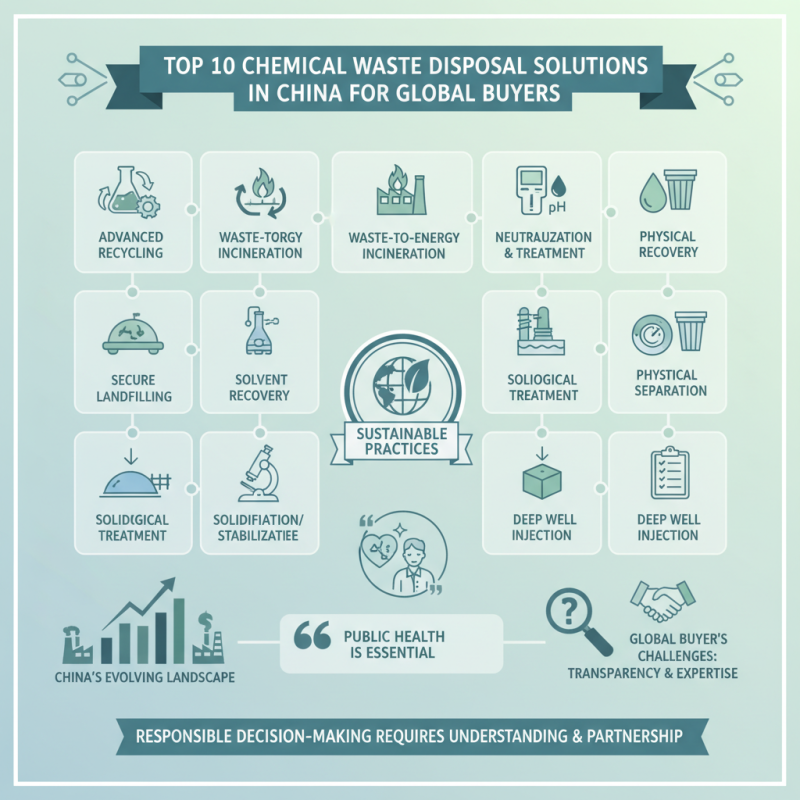
Advanced incineration technology is one key method utilized in chemical waste treatment. It employs high temperatures to reduce waste volume by around 90%. This not only minimizes landfill usage but also recovers energy. Additionally, chemical neutralization has gained traction, particularly in treating hazardous chemicals. This process often reduces toxic properties, making waste safer for landfills.
Despite these advancements, challenges persist in implementing these technologies. Environmental concerns about emissions from incineration cannot be overlooked. Regular monitoring and regulatory compliance are essential, yet inadequate infrastructure in some regions hampers progress. The balance between efficiency and safety remains a tough task, prompting ongoing discussions among industry experts about the best practices for sustainable waste management.
Top 10 Chemical Waste Disposal Solutions in China for Global Buyers
| Solution Type |
Technology Used |
Capacity (Tons/Year) |
Effectiveness (%) |
Environmental Compliance |
| Incineration |
High-Temperature Combustion |
1000 |
95 |
ISO 14001 |
| Chemical Neutralization |
Acid-Base Reaction |
500 |
90 |
ISO 14001 |
| Bioremediation |
Microbial Processes |
200 |
85 |
ISO 14001 |
| Solidification |
Cementation |
1500 |
92 |
ISO 14001 |
| Landfilling |
Secure Landfill |
3000 |
75 |
ISO 14001 |
| Recycling |
Chemical Recycling |
800 |
88 |
ISO 14001 |
| Waste-to-Energy |
Gasification |
1200 |
97 |
ISO 14001 |
| Ultra-Filtration |
Membrane Technology |
600 |
93 |
ISO 14001 |
| Chemical Oxidation |
Advanced Oxidation Processes |
700 |
95 |
ISO 14001 |
Evaluation Criteria for Selecting Disposal Solutions in China
When selecting chemical waste disposal solutions in China, it's essential to evaluate several key criteria.
Reliability is paramount. Buyers should look for companies with proven track records and strong references.
Companies with years of experience can often provide better stability and security in their services.
Expertise in handling specific types of chemical waste is also crucial. Each waste type has unique requirements for treatment and disposal.
Another important factor is compliance with local regulations. Buyers must ensure that disposal practices meet China's environmental laws.
This can be challenging, as regulations may change frequently. It's wise to verify that potential partners are updated on compliance issues.
Cost is a significant consideration as well. While lower prices may be tempting, they can sometimes mean compromised safety or reliability.
A balance between cost and quality is essential for sustainable waste management.
Buyers should not forget the importance of innovation in waste disposal technologies.
Companies that adopt new methods may offer more efficient and safer solutions. However, the rapid pace of technological change can present challenges.
It's vital to assess whether a provider's innovation aligns with specific business needs.
Regular feedback loops with disposal companies can foster improvement and adaptation, ensuring long-term success in waste management strategies.
Sustainability Practices in Chemical Waste Disposal Industry
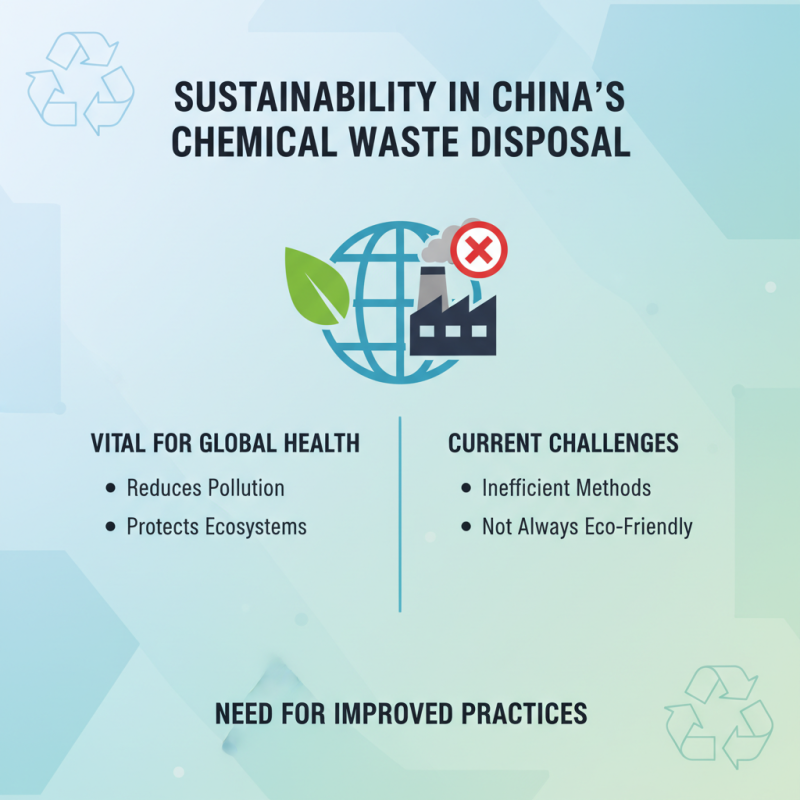
The sustainability of chemical waste disposal in China is vital for global environmental health. Efficient methods for handling hazardous materials are necessary. However, not all practices currently in use align with ideal sustainability standards.
Many companies are adopting waste minimization strategies. Techniques like resource recovery and recycling help reduce overall waste. Yet, the implementation can be inconsistent. Some facilities still rely heavily on incineration, which can have detrimental effects on air quality. The need for continuous improvement in these methods is apparent.
Investment in technology is another area of focus. Advanced treatment technologies, such as bioremediation, are being explored. These solutions show promise in reducing harmful substances in waste. However, research is still needed to evaluate their long-term effectiveness. Collaboration between industry and government is essential to ensure these practices are not only adopted but also refined over time.