China Top Chemical Supply Options for Global Buyers?
In recent years, China's dominance in the global chemical supply chain has become increasingly evident. According to a report by Mordor Intelligence, the global chemical market is projected to reach USD 5 trillion by 2025, with China playing a crucial role in this growth. The country accounts for nearly 40% of the world's chemical production, making it a key supplier for buyers worldwide. Companies looking to source chemicals must navigate a complex landscape that demands both reliability and innovation.
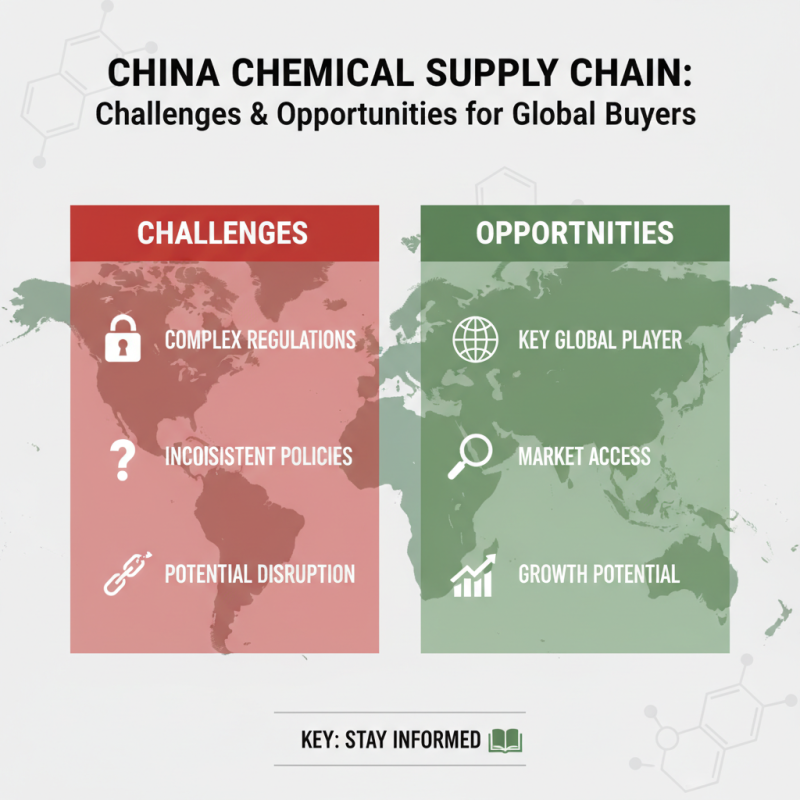
However, reliance on Chinese chemical supply also presents challenges. Fluctuating trade policies and environmental regulations can impact availability and pricing. The transparency of supply chains is an ongoing issue, as companies grapple with sourcing sustainably. Many buyers find themselves questioning the ethical implications of their supply choices. This requires a careful balance between cost and responsibility, pushing companies to rethink partnerships.
Understanding the intricacies of China’s chemical supply options is essential for global buyers. They must evaluate not only the benefits of access to diverse products but also the need for robust risk management strategies. In a rapidly evolving market, buyers should prioritize suppliers who demonstrate commitment to quality and sustainability. This is vital for long-term success and competitiveness in the chemical industry.

Overview of China's Chemical Supply Industry
China's chemical supply industry plays a critical role in the global market. With a vast network of manufacturers, it supports various sectors, including agriculture, pharmaceuticals, and consumer goods. These companies produce a wide range of chemicals, from basic commodities to specialized products. This diversity makes China a go-to place for global buyers seeking reliable supply options.
Quality control can vary among suppliers. While many Chinese manufacturers adhere to international standards, some may not meet stringent requirements. It is essential for buyers to conduct thorough research before choosing partners. Certifications are vital indicators of reliability. Strong relationships built on transparency can enhance trust and ensure smoother transactions.
Logistics are another critical factor to consider. China's infrastructure supports efficient distribution, yet challenges persist. Communication barriers may lead to misunderstandings. Buyers should be aware of these potential pitfalls. Regular follow-ups and clear expectations can mitigate risks. Engaging with local experts can also provide valuable insights, helping navigate China’s complex market landscape.
Key Sectors of the Chinese Chemical Market
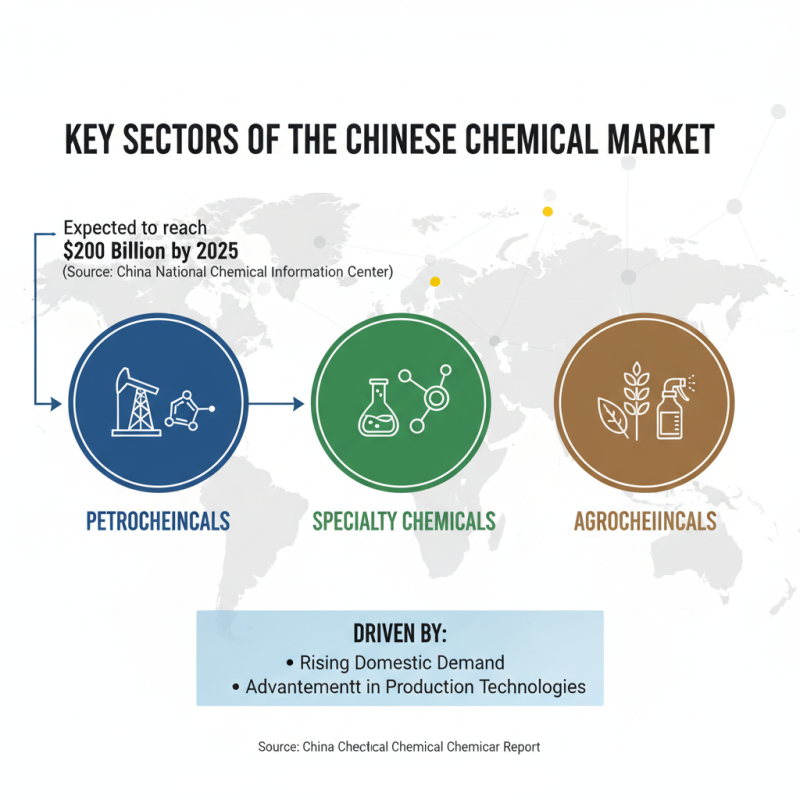
The Chinese chemical market is vast and diverse, offering numerous supply options for global buyers. Key sectors include petrochemicals, specialty chemicals, and agrochemicals. According to a report by the China National Chemical Information Center, the country's petrochemical industry alone is expected to reach a value of $200 billion by 2025. This growth is driven by rising domestic demand and advancements in production technologies.
Specialty chemicals represent another significant segment. They are essential for various applications, from automotive to electronics. A report from Frost & Sullivan indicates that this segment is projected to grow at a compound annual growth rate (CAGR) of 5.4% through 2026. However, sourcing specialty chemicals can be complex. Quality control and regulatory compliance are crucial for ensuring product reliability.
Agrochemicals also play a vital role in China's agricultural productivity. The market is anticipated to expand as farmers seek sustainable solutions. However, environmental concerns persist, and companies must navigate strict regulations. Buyers must carefully evaluate potential suppliers to ensure compliance and sustainability. Accessing accurate market data is essential for informed decision-making in this sector.
Major Chemical Companies in China: Profiles and Capabilities
China's chemical industry is a global powerhouse, contributing significantly to the international supply chain. In 2022, the country's chemical output reached approximately 1.5 trillion U.S. dollars, making China the largest producer of chemicals worldwide. This growth is driven by several major companies, each with specialized capabilities.
One prominent player is the state-owned enterprise, which dominates the market in petrochemicals. Their extensive production facilities and advanced R&D capabilities allow them to offer a wide range of products. Recent reports indicate that they produce over 10 million tons of ethylene per year. However, despite their size, challenges remain. Some firms struggle with maintaining sustainable practices within production processes. This has raised concerns among global buyers who prioritize environmentally friendly solutions.
Another notable company specializes in specialty chemicals, focusing on high-performance materials. They cater to sectors such as automotive and electronics, where precision is crucial. Recent data suggests that the demand for these specialty chemicals is expected to grow by 4% annually until 2026. Yet, competition is fiercer than ever. Companies must continuously innovate to stay relevant and meet evolving customer needs. This dynamic landscape reflects both the strengths and challenges facing China’s chemical sector.
China Top Chemical Supply Options for Global Buyers
| Company Type |
Location |
Key Products |
Production Capacity |
Export Markets |
| Petrochemical Manufacturer |
Yangtze River Delta |
Polyethylene, Polypropylene |
1 million tons/year |
Asia, Europe |
| Fine Chemicals Supplier |
Guangdong |
Specialty Chemicals, Dyes |
500,000 tons/year |
North America, South America |
| Agrochemical Producer |
Sichuan |
Herbicides, Insecticides |
300,000 tons/year |
Africa, Australia |
| Pharmaceutical Raw Material |
Shandong |
APIs, Intermediates |
200,000 tons/year |
Global |
Logistics and Supply Chain Dynamics in China
Navigating logistics and supply chain dynamics in China can be complex. With its vast network, China plays a pivotal role in global chemical supply. Raw materials and products often travel long distances. This can lead to delays and increased costs. Understanding local regulations is essential. These can impact delivery schedules and compliance.
Tips: Always stay updated on regional regulations. Local laws change frequently. Being informed can prevent unexpected disruptions.
Supply chains require careful management. Many companies face challenges with coordination. Different suppliers may use varying quality standards. This inconsistency can lead to complications. Build strong relationships with local suppliers, as trust plays a vital role. Open communication can foster better outcomes.
Tips: Visit suppliers in person. This provides insights into their operations. Understanding their processes can enhance cooperation and efficiency.
China Top Chemical Supply Options for Global Buyers
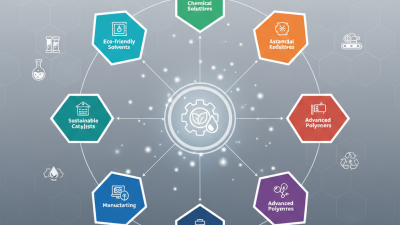
This chart illustrates the various dimensions of supply chain dynamics in the Chinese chemical industry. Key factors such as raw material supply, processing efficiency, transportation reliability, cost competitiveness, and regulatory compliance are crucial for global buyers when evaluating their options.