How to Find the Right Chemical Consultant for Your Business Needs?
Finding the right chemical consultant for your business needs is crucial in today’s fast-paced market. According to a report by the Chemical Consultants Network, about 75% of companies believe that specialized knowledge in chemicals is essential for strategic growth. However, the challenge lies in identifying suitable experts who align with specific business goals.
Dr. Lisa Green, a renowned chemical consultant, once stated, "The right consultant can unlock innovation that drives a company forward." This insight emphasizes the importance of aligning with the right expert. Many businesses rush this decision, potentially overlooking critical factors like experience, specialization, and client history. A well-chosen consultant can provide tailored insights and innovative solutions that convert challenges into opportunities.
Yet, it’s not all smooth sailing. Some companies find themselves underwhelmed after hiring consultants. Poor communication or misaligned objectives can result in wasted time and resources. Careful evaluation is necessary. Consider qualifications, project experience, and consultation style. A thorough vetting process ultimately leads to better outcomes and success in leveraging chemical expertise.

Identifying Your Business's Specific Chemical Consulting Needs
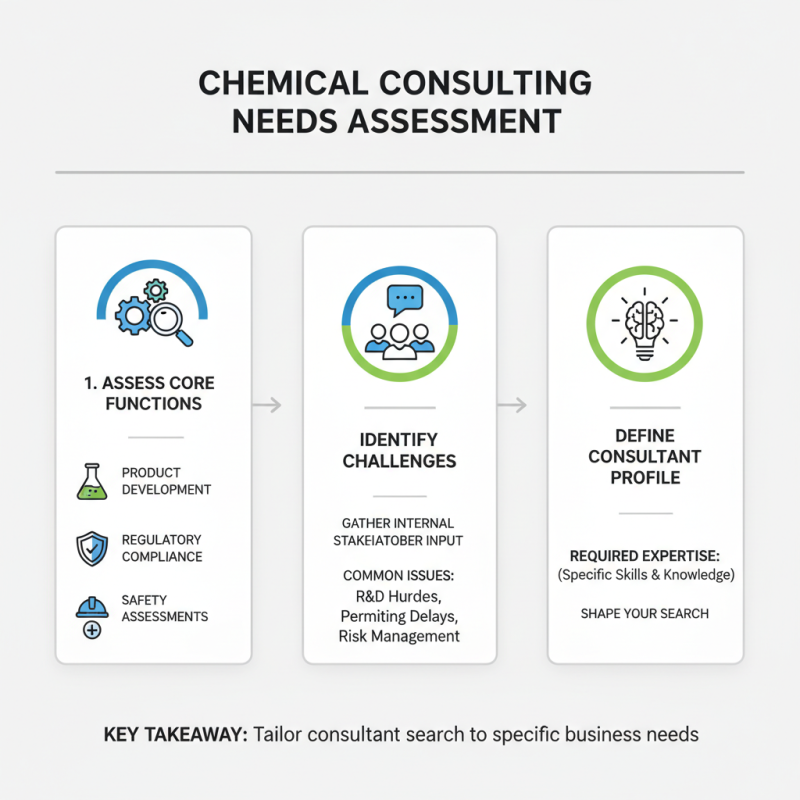
Identifying your business's specific chemical consulting needs is crucial. Start by assessing the core functions of your operations. Do you require expertise in product development, regulatory compliance, or safety assessments? Each area demands different skills and knowledge. Use internal stakeholders to gather information on what challenges they face. Their input can help shape your search for consultants.
Consider the specific industries you operate in. Different sectors may need unique expertise. For example, the requirements for pharmaceuticals vastly differ from those in agriculture. Identify any gaps in your current chemical practices. Reflect on past projects that faced issues. This analysis will clarify what kind of consultant would best support your goals.
Lastly, think about the dreaded budget. What can you afford? Hiring a consultant is an investment. Yet, if expectations are unrealistic, it can lead to disappointment. Talk openly with your team about financial limitations. Everyone must align on realistic project scopes. Balancing quality and cost is essential to find the right fit.
Researching Potential Chemical Consultants and Their Expertise
When searching for a chemical consultant, thorough research is essential. Focus on identifying their specific areas of expertise. Look for consultants who specialize in the chemical processes relevant to your business. For example, do they have experience in manufacturing, regulatory compliance, or product safety? This focus will help you understand their potential contributions.
Tips: Utilize online databases to find consultants. Read their publications and reviews. Take note of their past projects to assess their relevance to your needs.
Another critical aspect is their track record. Reach out to past clients and ask about their experience. Were their expectations met? It’s necessary to gauge if they provide tangible results. Sometimes, less experienced consultants can offer fresh perspectives. However, be cautious. They may lack the depth of knowledge required for intricate issues.
Tips: Interviews can reveal a consultant’s communication style. Ensure it aligns with your business culture. Ask for case studies that demonstrate problem-solving skills.
In your research, don't forget to evaluate their approach to your specific challenges. Effective consultants should tailor their strategies accordingly. This adaptability is crucial for achieving desired outcomes.
Evaluating Qualifications and Certifications of Chemical Consultants
When selecting a chemical consultant, evaluating their qualifications and certifications is crucial. Start by checking their educational background. A strong foundation in chemistry or related fields is essential. Look for advanced degrees that indicate specialized knowledge. Certifications also play an important role. They demonstrate a commitment to ongoing education and expertise.
Experience is another key factor. A consultant with several years in the industry often brings valuable insights. Evaluate their previous projects to see if they align with your needs. Ask for references. Feedback from past clients can reveal strengths and weaknesses. It’s also worth noting that not all certifications hold equal weight. Some may be more recognized than others.
Finally, consider their soft skills. Communication is vital in this field. A consultant should explain complex concepts clearly. Sometimes, it’s challenging to find someone who combines technical skills with good interpersonal abilities. Reflect on your specific needs. A consultant's expertise should align with your business goals, but the perfect match may take some time. Patience and careful evaluation are vital.
Evaluation of Chemical Consultants' Qualifications and Certifications
Conducting Interviews and Assessing Communication Skills
When choosing a chemical consultant, communication skills are vital. A recent survey highlighted that 40% of project failures stem from poor communication. Effective consultants should convey complex ideas clearly. During interviews, assess their ability to simplify terminology without losing context. Ask them to explain a chemical process. Note how they adapt their language for different audiences.
Listening skills matter just as much. A proficient consultant should engage in active listening. They must understand your needs before offering solutions. Look for signs of engagement during your conversation. Is the consultant asking insightful questions? Gauge their understanding and interest in your project. Remember that 75% of client satisfaction is linked to effective communication.
Finally, evaluate their approach to feedback. A good consultant should welcome constructive criticism. This reflects their adaptability and willingness to learn. Discuss past projects and how they handled setbacks. A reflection on their experiences will reveal their problem-solving capabilities. Aim for a consultant who not only provides expertise but collaborates effectively with your team.
Comparing Fees and Services Offered by Different Consultants
Choosing the right chemical consultant for your business needs can feel overwhelming. One key factor to consider is the range of services they offer. Some consultants may specialize in regulatory compliance, while others focus on product formulation or safety assessments. It's crucial to match their expertise with your project requirements. For instance, if you need help with sustainability practices, find consultants with a track record in that area.
Fees can vary widely among consultants. Discussing rates upfront is essential. Some consultants charge by the hour, while others may offer project-based fees. Request detailed estimates to understand what is included. Be cautious of fees that seem unusually low; this could indicate a lack of quality. A transparent pricing structure is often a good sign of professionalism.
Ultimately, a good fit goes beyond cost. Assessing responsiveness is just as vital. Do they answer your questions in a timely manner? Communication should flow easily. Reflect on whether you feel understood and supported. A consultant's ability to listen and adapt can significantly impact the success of your collaboration. Take the time to evaluate these aspects, as they are integral to a fruitful partnership.