Maximize Your Brand with Chem Green Tips for Sustainable Success?
In today's competitive market, companies must prioritize sustainability. "Chem green" practices are key to this shift. Brands embracing these principles often see significant advantages. They attract eco-conscious consumers and enhance their market image.
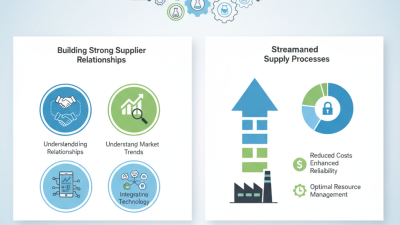
Implementing chem green strategies can be challenging. Not every brand knows where to start. Some may rush into changes without proper planning. Effective integration requires thoughtful consideration of materials, processes, and overall impact. It’s important to analyze the entire supply chain. Understanding how choices affect the environment is crucial.
Consumers are increasingly discerning. They seek brands that reflect their values. A commitment to chem green initiatives can deepen loyalty. However, brands must avoid greenwashing. Transparency is essential to build trust. Embracing chem green isn't merely about compliance; it’s a path towards long-lasting success.
Understanding Sustainable Branding in Today's Market
Sustainable branding has become essential in today's market. Consumers increasingly prefer brands that prioritize environmental responsibility. This shift creates opportunities for businesses to enhance their image. They can build trust by showcasing their eco-friendly practices. Transparency in sourcing and production matters now more than ever.
Engaging customers is vital. Brands can share their sustainability stories through various channels. This includes social media, packaging, and advertising. Consistent messaging reinforces their commitment to sustainability. Companies should also focus on creating high-quality products that minimize waste. Still, taking action is not always easy. Many brands struggle with the balance between profit and environmental impact. Recognizing these challenges is a part of the journey.
Feedback from customers can guide brands toward improvement. Active listening can reveal areas in need of change. It's a way to connect authentically. Brands that are willing to adapt will find lasting success. Continuous learning about sustainable practices is crucial. This evolution should align with consumer values to thrive in this new landscape.
Key Elements of Chem Green Practices for Brand Enhancement
In today's fast-paced market, brands cannot ignore sustainable practices. According to a 2021 Nielsen report, 66% of global consumers are willing to pay more for sustainable brands. This statistic underscores the importance of adopting Chem Green practices. Implementing eco-friendly methods not only enhances brand reputation but also appeals to a growing conscious consumer base.
Chem Green practices should focus on several key elements. Energy efficiency is critical. Brands that reduce energy consumption can cut costs and showcase their commitment to sustainability. A study by the U.S. Department of Energy indicates that optimizing energy use can save up to 30% on utility bills. Additionally, sustainable sourcing fosters trust. More consumers are seeking information on where products come from. Mindful sourcing demonstrates a brand's integrity and aligns with consumer values.
Nevertheless, adopting these practices poses challenges. Some companies grapple with supply chain complexities. Achieving transparency is not always straightforward. Moreover, shifting established processes can be met with resistance from employees. Acknowledging these difficulties is essential for genuine progress. Every small step counts, and brands must reflect on their journey towards true sustainability.
Incorporating Eco-Friendly Strategies into Business Operations
Sustainable success begins with integrating eco-friendly strategies into business operations. Companies can make impactful changes by focusing on sustainability. A study by McKinsey revealed that 70% of consumers are more likely to buy from brands that prioritize sustainability. This presents a significant opportunity for businesses.
Employing renewable energy sources can reduce operational costs significantly. Switching to solar or wind energy can lower electricity bills and attract eco-conscious customers. Moreover, implementing efficient waste management systems can minimize environmental impact. A report from the World Economic Forum highlights that improving recycling rates can lead to a 10% reduction in greenhouse gas emissions.
It’s essential to recognize the challenges in adopting these practices. Transitioning to sustainable materials can involve upfront costs and potential supply chain disruptions. Companies must evaluate their suppliers and ensure they align with sustainability goals. Continuous improvement and transparency can foster trust among customers, even when obstacles arise. Adopting eco-friendly strategies is not just beneficial; it’s necessary for brands that aim to thrive in a changing market.
Maximize Your Brand with Chem Green Tips for Sustainable Success
| Sustainability Initiative |
Description |
Estimated Impact (%) |
Cost Savings ($) |
| Energy Efficiency |
Implementing energy-efficient appliances and practices. |
20 |
$5,000 |
| Waste Reduction |
Implement recycling programs and reduce product packaging. |
30 |
$3,000 |
| Sustainable Sourcing |
Using materials from sustainable sources. |
25 |
$10,000 |
| Water Conservation |
Implementing water-saving practices in operations. |
15 |
$2,000 |
| Green Transportation |
Encouraging the use of public transport or electric vehicles. |
10 |
$1,500 |
Measuring the Impact of Sustainability on Brand Success
Sustainability is becoming a crucial factor in brand success. Many consumers now prioritize eco-friendly choices. Brands that embrace environmental responsibility can see improved customer loyalty. But how do we measure this impact effectively?
Consumer surveys often reveal a strong preference for sustainable brands. A study showed that 70% of people are more likely to support businesses that prioritize sustainability. However, not all brands successfully communicate their green initiatives. Confusion can arise when marketing claims lack transparency. It's essential for brands to demonstrate real actions rather than mere rhetoric.
Evaluating long-term brand success requires looking beyond just sales figures. Companies should track customer feedback and engagement over time. Social media sentiment analysis can provide insights into how consumers perceive their sustainability efforts. Furthermore, brands may experience initial challenges when transitioning to greener practices, such as increased costs or logistical hurdles. Addressing these shortcomings can lead to a more authentic brand image and reinforce consumer trust.
Case Studies of Brands Excelling with Chem Green Initiatives
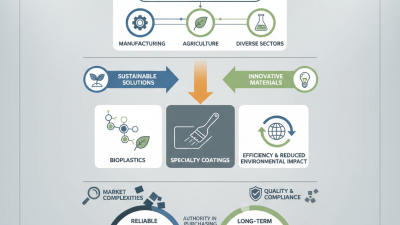
Many brands are successfully implementing sustainable practices. They are embracing Chem Green initiatives. These efforts not only benefit the environment but also increase customer loyalty. For instance, a company reduced its plastic use by switching to biodegradable materials. This move resonated well with eco-conscious consumers.
Another brand invested in solar energy for its production facilities. This commitment cut down its carbon footprint significantly. The story of their transition is inspiring. They faced challenges, such as initial costs and customer education. Yet, the long-term rewards outweighed the struggles.
These case studies reflect a growing trend. Consumers now prioritize sustainability in their purchasing decisions. Brands that adapt, evolve, and reflect on their impact can thrive. A genuine commitment to sustainable practices can lead to lasting success.