How to Properly Manage Chemical Waste Disposal Safely?
Chemical waste disposal is a critical aspect of environmental management. The improper handling of hazardous substances has led to an alarming increase in pollution levels. According to the U.S. Environmental Protection Agency (EPA), improper disposal can result in long-term ecological damage and contamination of water supplies. Each year, millions of tons of chemical waste are generated by industries, laboratories, and manufacturing plants.
The challenges of effective chemical waste disposal cannot be overlooked. A significant number of businesses lack proper disposal protocols. A report from the National Association of Professional Environmental Managers revealed that over 60% of companies are non-compliant with waste disposal regulations. This negligence not only harms our environment but also impacts human health. Clear guidelines and trained personnel are essential for fostering safe disposal practices.
Creating a culture of responsibility around chemical waste disposal is necessary. Organizations must recognize the potential hazards. Educating staff about proper disposal methods can prevent costly mistakes. Moving towards sustainable practices is equally important. By adopting innovative waste management technologies, industries can reduce their environmental footprint. Uplifting awareness and implementing actionable strategies can significantly improve chemical waste disposal efficiency.

Understanding Chemical Waste: Types and Regulations
Chemical waste can be categorized into various types, including solvents, heavy metals, and reactive chemicals. Each category poses specific risks to human health and the environment. According to the Environmental Protection Agency (EPA), nearly 1.7 million tons of hazardous waste were generated in the U.S. in 2018 alone. This highlights the significant challenge of managing chemical waste.
Regulations concerning chemical waste differ by region. The Resource Conservation and Recovery Act (RCRA) sets standards for managing hazardous waste. Companies must adhere to labeling, storage, and disposal guidelines. Non-compliance can lead to hefty fines and legal action. Common mistakes occur when organizations misclassify waste. Accurate classification is crucial for safe disposal.
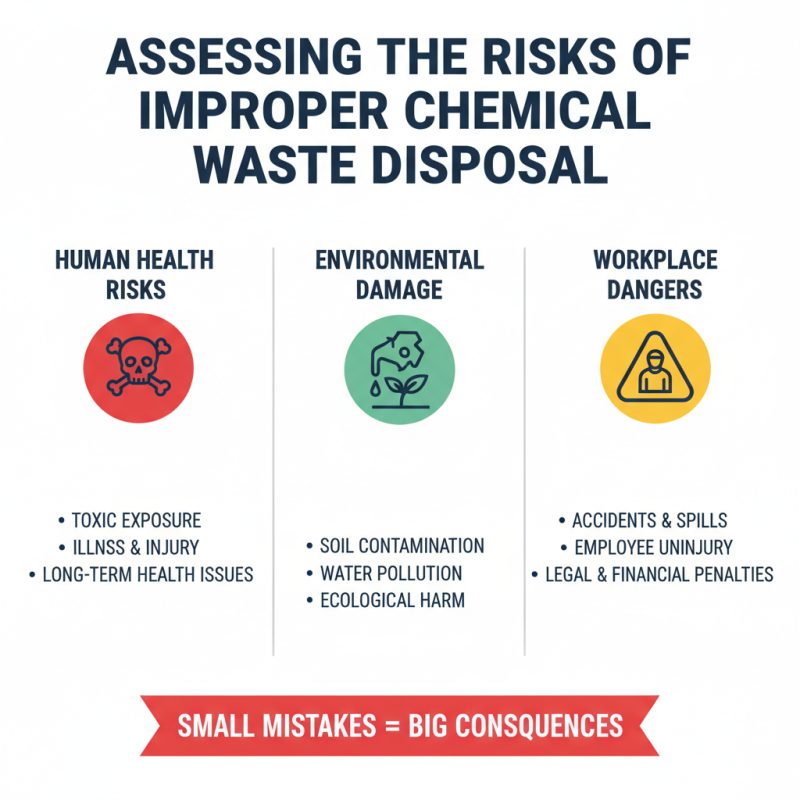
Improper disposal can have detrimental effects. For instance, toxic chemicals may leach into groundwater, impacting local ecosystems. Statistics show that 29% of chemical spills in laboratories are due to improper handling. Organizations must prioritize training to reduce these incidents. However, gaps in knowledge still exist among staff. Continuous education is essential for effective waste management.
Developing a Chemical Waste Management Plan
Developing a Chemical Waste Management Plan is essential for minimizing risks associated with chemical waste disposal. According to the Environmental Protection Agency (EPA), about 220 million tons of hazardous waste are produced annually in the United States alone. This staggering figure emphasizes the need for responsible management strategies.
Start by identifying the types of waste generated in your facility. Surveying your chemical inventory helps create a tailored plan. Identify hazardous and non-hazardous materials separately. Regularly update this inventory to reflect any changes in usage or regulatory requirements.
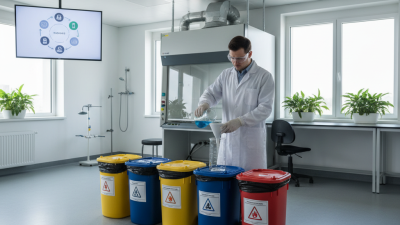
**Tips:** Establish a clear labeling system. Use color-coded bins to differentiate waste types. This helps staff quickly identify the proper disposal method.
Conduct regular training sessions for employees. This ensures everyone understands the best practices for handling and disposing of chemical waste. Mislabeling or improper disposal can lead to dire consequences, including fines and environmental harm. Data from the National Safety Council indicates that workplaces with regular safety training see a 43% reduction in incidents.
**Tips:** Create reminder posters around the workspace. Visual aids enhance awareness and reinforce proper habits.
In developing your plan, consider potential gaps or areas for improvement. Regularly evaluate your waste management practices and seek feedback from staff. This reflection can reveal hidden inefficiencies and drive continuous improvement in your chemical waste disposal processes.
Chemical Waste Types and Quantities for Disposal
Safe Handling and Storage of Chemical Wastes
Safe handling and storage of chemical wastes is crucial in preventing accidents and environmental harm. According to the Environmental Protection Agency (EPA), improper disposal of hazardous waste can lead to severe contamination of soil and water. Facilities must prioritize safety to protect workers and the surrounding community.
Containers used for chemical waste should be clearly labeled and made from compatible materials. The National Research Council recommends using drums made of specific plastics or metals for various chemicals. It's vital to store these containers in a secure, well-ventilated area to minimize risks. For instance, flammable chemical waste must be kept away from heat sources and secured in flame-proof cabinets.
Regular training on chemical safety is also essential. Research from the American Industrial Hygiene Association shows that proper employee training can reduce incidents by up to 40%. Routine audits and inspections should be performed to ensure compliance and identify potential hazards. Despite efforts, human error can still occur, highlighting the need for continuous improvement and vigilance in waste management practices. Addressing these challenges is vital for a safer chemical handling environment.
Choosing Appropriate Disposal Methods for Different Chemical Wastes
When considering the disposal of chemical waste, selecting the right method is crucial. Different chemicals require tailored approaches. For instance, corrosive materials such as acids or bases must be neutralized before disposal. The Environmental Protection Agency (EPA) emphasizes the importance of proper treatment to minimize environmental risks. Over 1.7 million tons of hazardous waste are produced annually in the U.S. alone, highlighting the critical need for effective management.
Incineration is a viable option for organic solvents. However, it must be done in controlled environments to prevent harmful emissions. Data from the National Research Council indicates that improper incineration might release dioxins, known carcinogens, into the atmosphere. Facilities must ensure set protocols are followed. Some companies have struggled to adhere to these guidelines, resulting in adverse impacts on local communities.
Recycling is another method worth considering. It promotes sustainability and can reduce the volume of waste. According to a study by the American Chemical Society, recycling can cut down chemical disposal costs significantly. Yet, many facilities lack adequate recycling procedures, leaving room for improvement. Engaging staff in regular training and audits can enhance adherence to these important practices.
How to Properly Manage Chemical Waste Disposal Safely? - Choosing Appropriate Disposal Methods for Different Chemical Wastes
| Chemical Waste Type |
Disposal Method |
Safety Precautions |
Environmental Impact |
| Acids |
Neutralization and Disposal |
Use PPE, add acid to water |
Low when neutralized |
| Solvents |
Incineration |
Work in a fume hood, PPE required |
Potentially high emissions |
| Heavy Metals |
Specialized Recycling |
Use gloves, minimize exposure |
High toxicity if not managed |
| Biological Wastes |
Autoclaving |
Follow biosafety protocols |
Low environmental risk |
| Aerosol Cans |
Recycling or Hazardous Waste |
Do not puncture, handle carefully |
Risk of explosion if mishandled |