What is a Single Flat Sheet and How is it Used?
In the world of textiles, the concept of a "single flat sheet" has become increasingly important. This versatile fabric serves many functions. As noted by industry expert Dr. Emily Carter, “A single flat sheet is more than just a bedding item; it’s a canvas for creativity.”
single flat sheets can be found in homes, hotels, and hospitals. They offer comfort, protection, and style. The beauty lies in their simplicity. These items can serve as lightweight covers or even be used for decorative purposes. However, many overlook their potential. People often stick to traditional uses without exploring creative applications.
Despite their popularity, there is room for scrutiny. Some might argue that single flat sheets lack innovation. Are they being used to their full potential? The challenge lies in pushing boundaries. With a little thought, single flat sheets can transform spaces and experiences. Let’s take a closer look at how this unassuming textile can enrich our lives.
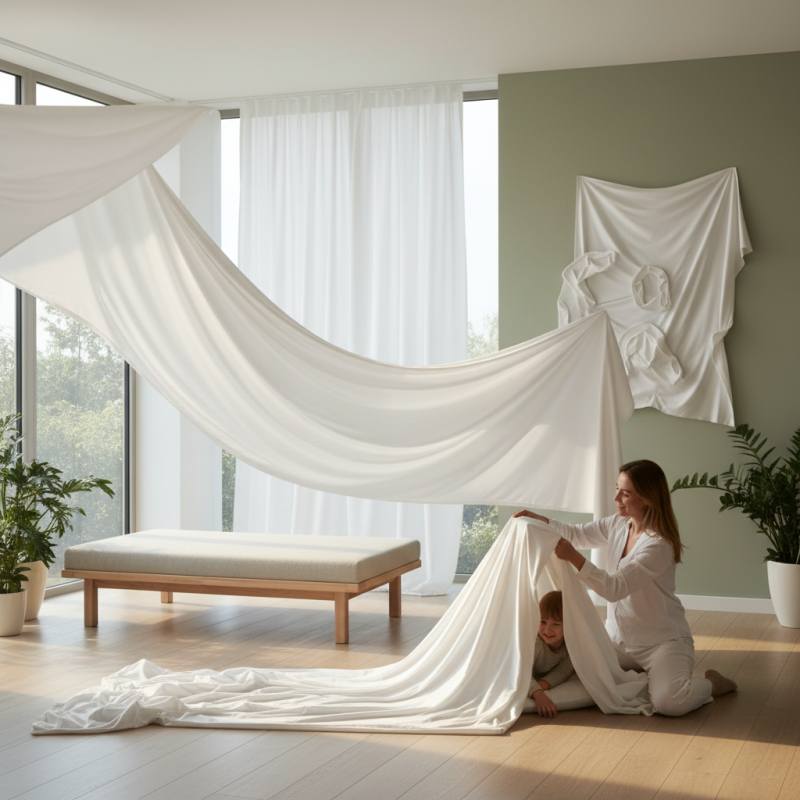
Definition of a Single Flat Sheet and Its Characteristics
A single flat sheet is a versatile piece of fabric, often used in bedding and home design. It is essentially one large, unsewn piece of material. This sheet serves various functions, making it a staple in many households.
The characteristics of a single flat sheet include its size and material. Commonly, it is made from cotton, linen, or polyester. Its dimensions can vary, but standard sizes generally fit most beds. The flat sheet lies atop the mattress, providing a smooth surface. This helps to keep blankets clean and makes bed-making easier.
Tips: When choosing a flat sheet, consider the thread count. A higher thread count often translates to better comfort. Pay attention to washing instructions, as some materials shrink after washing.
Flat sheets can also be used creatively beyond beds. They can serve as picnic blankets or temporary curtains. Yet, some might find it difficult to keep them in place on the bed. They can slip off easily if not tucked in properly. It’s often a challenge to find the perfect folding method for storage as well.
Common Materials Used for Single Flat Sheets
Single flat sheets have various uses in everyday life. They serve as versatile fabric pieces for several applications. Understanding the materials used can enhance their functionality.
Common materials for single flat sheets include cotton, polyester, and linen. Cotton sheets are breathable and soft. They come in many colors and prints. Polyester is durable and resistant to wrinkles. Linen, while elegant, does require careful washing. Each fabric offers different benefits, allowing users to choose according to their needs.
The choice of material can affect the sheet's comfort and longevity. Individuals often overlook how essential the right fabric can be. Not all sheets are created equal. It's essential to consider personal preferences, durability, and care requirements. A small detail can change how well the sheet works.
Various Applications of Single Flat Sheets in Everyday Life
Single flat sheets are versatile items in everyday life. They can be used for multiple purposes, making them essential in various settings. For example, they are commonly found in bedding, offering comfort during sleep. Beyond that, they have practical applications in crafting and home decor.
One interesting use is in art projects. Creatives often utilize flat sheets to create backdrops or custom designs. They can be painted or drawn on, allowing for personal expression. Don’t be afraid to experiment with colors and textures. Tips: Always test a small area first before making large changes. This can save you from a project mishap.
In the kitchen, single flat sheets can also be useful. They can serve as makeshift trays for baking or organizing ingredients. However, remember that some materials may not withstand high temperatures. Ensure you choose sheets that are safe for use in the oven. Tips: Check for heat resistance ratings to avoid burning your creations. Embrace the process, even if it means facing some trial and error.
How to Care for and Maintain a Single Flat Sheet
Caring for a single flat sheet is essential for longevity and optimal comfort. According to the Home Textile Association, proper maintenance can extend the life of your sheets by up to 50%. Start by washing your flat sheet regularly, ideally every one to two weeks. Use a gentle detergent and wash on a cold setting to preserve fabric integrity. Avoid fabric softeners as they can build up on fabric fibers, reducing breathability.
Tip: Always check the care label for specific instructions. Different fabrics require unique treatments. For cotton sheets, a warm wash is often recommended, while microfiber may do better in cooler conditions. Dry your sheets on a low heat setting to prevent shrinking. An air-dry option can be gentle on the fabric and save energy.
Occasionally, you might notice wear and tear despite your best efforts. Pilling and fading can occur over time. When this happens, consider rotating your flat sheets to even out usage. This simple step can prevent premature aging and maintain a fresh look. Keep in mind that investing time and care into your sheets can enhance your sleeping experience significantly.
Differences Between Single Flat Sheets and Other Bedding Types
Single flat sheets serve unique roles in bedding. They differ from fitted sheets, which hug the mattress, and duvet covers that encase comforters. According to industry data, single flat sheets are often preferred in institutions like hospitals and hotels due to their versatility and ease of cleaning.
Unlike fitted sheets, flat sheets can accommodate different mattress sizes, making them more flexible for various uses. For instance, in shared living spaces, single flat sheets can be easily swapped or layered, allowing customization for comfort. Some people argue flat sheets are unnecessary and prefer fitted options. However, many appreciate the option for additional layering, providing warmth without the bulk of a comforter.
Moreover, flat sheets can be used creatively. They double as makeshift bedspreads or tablecloths when needed. Yet, the challenge comes in managing the sheet's tendency to slip off during the night. A survey revealed that almost 45% of users reported issues with slipping flat sheets. This might prompt reflection on whether traditional setups still meet modern needs. The reality is that while flat sheets offer flexibility, they also require active management to ensure comfort and functionality.