Top 10 Boom Cylinder Types Buyers Need to Know?
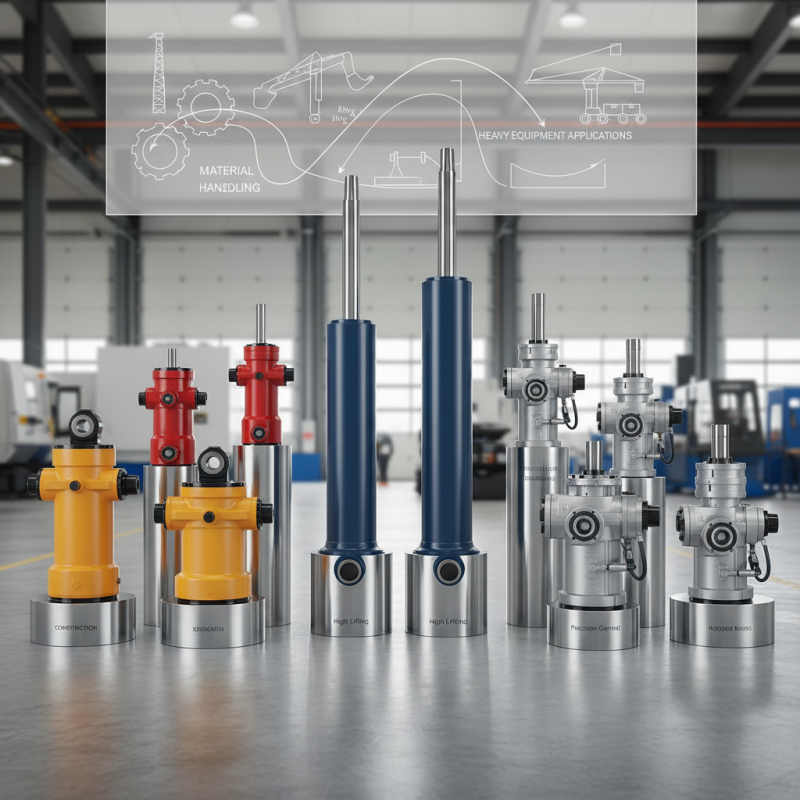
Boom Cylinders play a critical role in various heavy equipment applications. Understanding the different types of boom cylinders can significantly impact performance and efficiency. From construction to material handling, choosing the right type is vital.
Experienced buyers know that not all boom cylinders are created equal. Each type has specific features tailored for distinct tasks. Some options are designed for high lifting, while others focus on precision control. Familiarity with these types can optimize your machinery.
However, the choice can be overwhelming. Each type has its strengths and weaknesses. Buyers must reflect on their specific needs. Understanding the demands of your project is essential. This way, you can select the most suitable boom cylinder for your requirements.
Understanding Boom Cylinder Basics: Functionality and Applications
Boom cylinders are crucial in various machinery, enabling lifting and extending mechanisms for construction and agricultural equipment. They operate under hydraulic pressure, making them essential for tasks that require heavy lifting. According to a report by the International Hydraulic Association, boom cylinders account for approximately 30% of hydraulic system failures, emphasizing the importance of understanding their functionality.
These cylinders come in various types, each tailored for specific applications. For example, single-acting boom cylinders are often used in cranes, while double-acting types are common in excavators. A study highlighted that proper maintenance can increase the lifespan of these components by up to 50%. However, wear and tear can lead to performance issues, such as reduced lifting ability and unexpected leaks, which require attention.
While the effectiveness of boom cylinders is generally high, operating conditions can be problematic. Exposure to harsh environments can lead to corrosion, reducing their reliability. The American Society of Mechanical Engineers has found that neglecting regular inspections can double the risk of failure. Regular maintenance checks and awareness of environmental factors can significantly mitigate these risks and enhance functionality.
Hydraulic vs. Pneumatic Boom Cylinders: Key Differences Explained
When it comes to boom cylinders, understanding the difference between hydraulic and pneumatic types is essential. Hydraulic boom cylinders use pressurized fluid to generate force. This allows them to lift heavy loads with greater precision. These cylinders are commonly found in construction and heavy machinery. They are robust and can handle significant stress, making them ideal for demanding applications.
On the other hand, pneumatic boom cylinders operate using compressed air. They are generally lighter and quicker in response than their hydraulic counterparts. This makes them suitable for applications like packaging and lighter machinery. However, they may not offer the same lifting power as hydraulic systems. Selecting the right type depends on specific operational needs and load requirements.
Both systems have their strengths and weaknesses. Users might favor pneumatic cylinders for speed but could reconsider for heavy tasks. Conversely, hydraulic cylinders provide power but can be over-engineered for lightweight jobs. Evaluating project needs is crucial to ensure efficiency and effectiveness. Understanding these differences helps buyers make informed decisions for their applications.
Top 5 Industries Utilizing Boom Cylinders: Statistics and Insights
Boom cylinders are essential in various industries. They provide the needed power to lift heavy loads. These cylinders are crucial for construction, agriculture, and manufacturing sectors.
In the construction industry, boom cylinders enable cranes to lift materials to great heights. They significantly improve efficiency on job sites. Statistics show that over 70% of construction projects rely on boom cylinders for operations. Without them, project timelines could extend significantly.
Agriculture also heavily utilizes boom cylinders. Farmers depend on them for equipment like sprayers and harvesters. The ability to adjust and control equipment height enhances productivity. In fact, nearly 60% of modern agricultural machinery incorporates boom cylinders.
Tips for buyers: always evaluate the performance metrics of boom cylinders. Understanding the specifications can save you time and money. Analyzing usage frequency is also critical. Selecting the right boom cylinder affects overall efficiency. Choose quality over price for better long-term results.
Top 10 Boom Cylinder Types Buyers Need to Know
| Boom Cylinder Type | Application | Industry Utilization (%) | Key Features |
| Single Acting Cylinder | Excavation | 30% | Cost-effective, simple design |
| Double Acting Cylinder | Material Handling | 25% | Higher efficiency, provides force in both directions |
| Telescopic Cylinder | Lifting Equipment | 20% | Compact design, extended reach |
| Rotary Actuator | Construction Machinery | 15% | Allows rotation, space-saving |
| Pneumatic Cylinder | Automation | 10% | Rapid actuation, lightweight |
Top 5 Industries Utilizing Boom Cylinders: Statistics and Insights
| Industry | Percentage of Boom Cylinder Use (%) | Growth Rate (2023) | Main Applications |
| Construction | 40% | 5% | Excavators, cranes |
| Agriculture | 25% | 3% | Loaders, harvesters |
| Manufacturing | 20% | 4% | Automated machinery |
| Mining | 10% | 2% | Drilling rigs, haul trucks |
| Waste Management | 5% | 1% | Compactors, shredder equipment |
Choosing the Right Boom Cylinder: Factors to Consider for Buyers
When selecting a boom cylinder, it's crucial to understand the factors involved. Buyers should first consider the cylinder's application. Different projects demand different performance characteristics. For instance, construction operations might require high lifting capacities, while smaller tasks might not.
Next, assess the cylinder's dimensions. Length, bore size, and stroke can significantly impact performance. Proper dimensions ensure the cylinder fits within your equipment's specifications. It's common to encounter mismatched sizes, which can lead to inefficiencies.
Tips: Always double-check the manufacturer's specifications. Verify whether the cylinder meets your requirements. Take measurements of your equipment before making a purchase.
Durability is another important factor. Look for materials that resist wear and tear. A good boom cylinder should withstand harsh environments. However, not all cylinders perform equally under stress, leading to potential failures.
Tips: Ask for detailed material information. Investigate the testing processes used. This will offer insights into the cylinder's reliability and lifespan.
Finally, consider the cost. A lower price may indicate compromised quality or performance. Weighing long-term costs against initial investment is essential. Reflecting on your needs can help in making a wise choice.
Maintenance Best Practices for Boom Cylinders: Ensuring Longevity and Safety
Maintaining boom cylinders is crucial for their longevity and safety. Regular inspections are essential. Look for signs of wear, leaks, or damage. Ensure seals are intact and the cylinder is free from debris. Small issues can escalate if overlooked. For instance, a slight leak on a seal can lead to significant pressure loss, affecting performance.
Lubrication plays a vital role in operation. Use appropriate grease to reduce friction. Inspect lubrication points regularly; areas that seem neglected can lead to unnecessary wear. Remember, even a small buildup of dirt can cause significant problems. It’s easy to miss these details in routine checks.
Educating operators is equally important. They should understand the signs of malfunction. A machine in distress often shows subtle signs first. Encourage operators to report issues immediately. This proactive approach can save time and money, preventing costly repairs down the line. Taking these simple steps ensures that boom cylinders remain in great shape, promoting safety and efficiency.