
China Top 10 Chem Green Manufacturers for Global Buyers

China has become an important sourcing base for chem green manufacturers serving international buyers. Its industrial parks combine chemical engineering talent, modern production lines, and increasingly visible environmental controls. The strongest suppliers are not selected by price alone. They are evaluated through technical capability, product consistency, documentation, and responsible manufacturing practices.

This guide introduces ten Chinese companies attracting attention from global procurement teams. The selection considers manufacturing experience, quality systems, export readiness, research capacity, and evidence of sustainable operations. Buyers may examine ISO certifications, safety data sheets, batch records, testing reports, and factory audit results before making a decision. A reliable supplier should explain raw material sources, production controls, packaging standards, and expected lead times clearly. Small details matter. A clean loading area matters.

The phrase chem green can describe more than a marketing promise. It should reflect measurable efforts, such as lower waste generation, improved energy efficiency, safer process design, and compliant wastewater management. However, public information is not always complete or consistent. Rankings can change as certifications expire, facilities expand, or audit findings emerge. That limitation deserves attention.

Global buyers should therefore treat this list as a practical starting point, not a final purchasing decision. Direct technical discussions, independent verification, and local regulatory review remain essential. Each company may fit a different need, from laboratory-scale development to stable commercial supply. Some manufacturers appear impressive on paper. Real performance must still be tested.
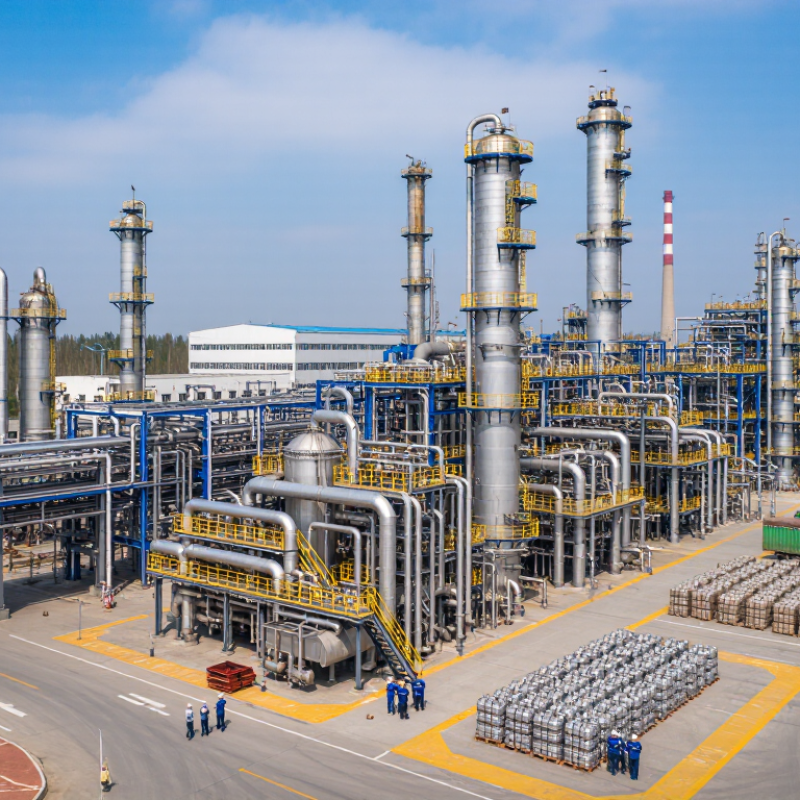
China Top 10 Chem Green Manufacturers for Global Buyers

What Defines a Green Chemical Manufacturer in China

China Top 10 Chem Green Manufacturers for Global Buyers
What Defines a Green Chemical Manufacturer in China

A green chemical manufacturer does more than display environmental certificates. It measures emissions, water use, energy consumption, and waste at each production stage. During a factory visit, buyers should look for closed-loop cooling systems, solvent recovery equipment, and clearly labeled waste storage. Digital batch records can also connect raw materials with final products. These details show operational discipline, not just marketing language. Reliable suppliers usually provide safety data, testing reports, audit access, and traceable quality records.

Tips: Ask for recent environmental data, not old brochures. Check whether wastewater results come from independent testing. Confirm that production capacity matches the proposed order. A small pilot batch can reveal quality variation, packaging problems, or weak communication before a larger contract. It is also useful to ask how the factory handles equipment cleaning and emergency spills.

Experience suggests that strong green performance depends on daily habits. Workers must follow procedures, maintain filters, and record unusual waste. Management should review energy targets and corrective actions regularly. However, no manufacturer is perfectly sustainable. Some facilities still depend on fossil-fuel electricity or lack complete lifecycle data. That weakness deserves honest discussion. Buyers can compare verified progress, supplier transparency, and realistic improvement plans instead of trusting impressive slogans. A professional assessment should include technical documents, an on-site review, and independent verification where possible.

How the Top 10 Manufacturers Are Selected and Compared

China Top 10 Chem Green Manufacturers for Global Buyers

Selecting leading green chemical manufacturers requires more than checking production capacity. Buyers should compare documented experience, process expertise, environmental controls, and delivery performance. A reliable review examines factory history, technical staff, laboratory equipment, and experience with international orders. Site audits can reveal details that brochures often miss, such as wastewater handling, batch records, and storage conditions.

Quality comparison should use measurable evidence. Check ISO certificates, product specifications, safety data sheets, and recent test reports. Request samples from the same production line, then compare purity, color, viscosity, packaging, and stability. Pricing matters, but total cost also includes testing, transportation, delays, and rejected batches. One weakness remains common: some evaluations rely too heavily on certificates. Certificates help, but they do not replace current production evidence.

Tips: Ask for three recent customer references. Verify certificate numbers independently. Compare at least two sample batches. Record response times and technical clarity. A supplier that admits a limitation may deserve more trust than one promising everything. However, self-reported data still needs checking. Reviewers should update rankings when audit results, delivery records, or environmental performance change. This approach creates a more practical comparison for global buyers seeking safer, efficient, and responsibly produced chemical solutions.

China’s Top 10 Green Chemical Manufacturers

China’s Top 10 Green Chemical Manufacturers

China’s leading green chemical manufacturers are changing how global buyers assess industrial production. Their progress includes lower-emission processes, safer solvents, water recycling, and renewable energy integration. Many facilities now track energy use per production batch. That figure can reveal improvements hidden behind broad sustainability claims.

A reliable manufacturer should provide verifiable certificates, recent audit records, and clear environmental data. Buyers should examine wastewater controls, raw-material sources, worker protection, and supply continuity. Factory visits can add useful evidence, especially near storage areas and treatment systems. However, no ranking is perfect. Data can change. A supplier may perform well in one category while needing improvement elsewhere. Professional evaluation requires comparing documents with observed operations.

Tips: Request batch-level quality records and recent environmental reports. Check whether certificates cover the exact production site. Ask how water, energy, and waste figures are calculated. Confirm export packaging, traceability, and emergency procedures before signing a contract. Small details matter. A transparent supplier will usually explain limitations instead of promising flawless performance.

Products, Technologies, and Sustainability Practices

China Top 10 Chem Green Manufacturers for Global Buyers

Products, Technologies, and Sustainability Practices

China’s leading green chemical manufacturers serve global buyers with water-treatment agents, bio-based solvents, low-VOC coatings, specialty polymers, and biodegradable additives. Product portfolios vary widely. Buyers should match performance data with real application needs, not marketing language. In supplier reviews, I examine technical datasheets, batch consistency, impurity limits, and independent laboratory results. Samples matter.

Cleaner production depends on measurable technology. Many advanced plants use continuous processing, catalytic reactions, solvent recovery, membrane separation, and automated dosing systems. These methods can reduce energy use, waste, and production variation. Some facilities also connect solar power with heat-recovery units. The details matter most. A claimed emission reduction should include its baseline, reporting period, and calculation method.

Sustainability practices deserve equal scrutiny. Reliable manufacturers usually track water consumption, wastewater quality, carbon emissions, packaging, and hazardous-material controls under recognized management systems. They should provide safety data, regulatory documents, lifecycle information, and audit access for international customers. This supports responsible sourcing and smoother compliance reviews. However, no factory is perfectly green. Renewable electricity may cover only part of operations, while recycled solvents can still lose quality after repeated cycles. Some sustainability reports remain incomplete. Buyers should ask difficult questions, verify site evidence, and request corrective plans with dates. That process builds trust more effectively than polished promises.

How Global Buyers Can Evaluate and Choose a Supplier

Global buyers evaluating China’s top green chemical manufacturers should look beyond product catalogs and attractive sustainability claims. A capable supplier should provide current safety data sheets, certificates of analysis, technical specifications, and clear batch traceability. Check whether documents match the actual production site. A polished website is not proof.

Ask for recent test reports, factory photographs, process descriptions, and export records relevant to your market. Verify compliance with applicable chemical regulations, labeling rules, restricted-substance requirements, and transport standards. Certifications such as ISO 9001 or ISO 14001 can support credibility, but they cannot replace an independent audit. Review wastewater controls, worker protection, waste handling, and energy data during a site visit or third-party assessment.

Technical communication also matters. Can the supplier explain purity variation, shelf life, packaging limits, and recommended storage temperatures? Request a small sample and compare it with the certificate of analysis. Then test it under your real production conditions. Laboratory results may look excellent, yet performance can change during scale-up. That detail is easy to miss.

Evaluate response speed, corrective-action records, production capacity, and backup plans for raw materials. Ask who controls formulation changes and how customers receive notifications. Price deserves attention, but an unusually low quotation may hide weaker testing or unstable supply. Even experienced buyers can overvalue certificates and undervalue daily communication. A written quality agreement, clear inspection points, and realistic delivery terms create stronger protection than promises alone.

Scroll to Top