Top 10 Carolina Chemicals You Should Know About?
Carolina chemicals play a vital role in various industries. Knowing about them can be invaluable. According to Dr. Jane Thompson, a leading expert in chemical engineering, "Understanding Carolina chemicals is crucial for innovation and safety."
These chemicals drive advancements in agriculture, manufacturing, and energy sectors. Yet, their complexities can be challenging. Each chemical comes with its unique properties and potential risks. Awareness can lead to safer and more efficient practices.
While many Carolina chemicals are beneficial, they also pose risks that require careful handling. Mismanagement can lead to environmental challenges. We must strive for better practices in using these substances. Emphasizing safety and responsibility is a must.
Overview of Carolina's Chemical Industry and Its Significance
Carolina's chemical industry plays a vital role in the U.S. economy. The region produces a variety of chemicals used in agriculture, manufacturing, and healthcare. According to the American Chemistry Council, the chemical sector contributed over $12 billion to the state's economy in 2022. It's a significant employer as well, supporting thousands of jobs.
The industry faces challenges. Evolving regulations and environmental concerns are prominent. In a recent study, around 67% of companies reported struggles in adapting to new policies. Additionally, competition from other regions is intensifying. The growth potential is immense, particularly in sustainable practices, which 45% of surveyed companies aim to improve. However, there is a lack of resources to support such transitions.
Investments in research and development are critical. The industry must innovate to stay relevant. Current trends highlight a shift towards greener solutions. Yet, only 30% of firms are actively pursuing eco-friendly alternatives. This gap raises questions about long-term sustainability and competitiveness. The future is uncertain, but opportunities abound for those willing to adapt.
Key Players in the Carolina Chemicals Sector
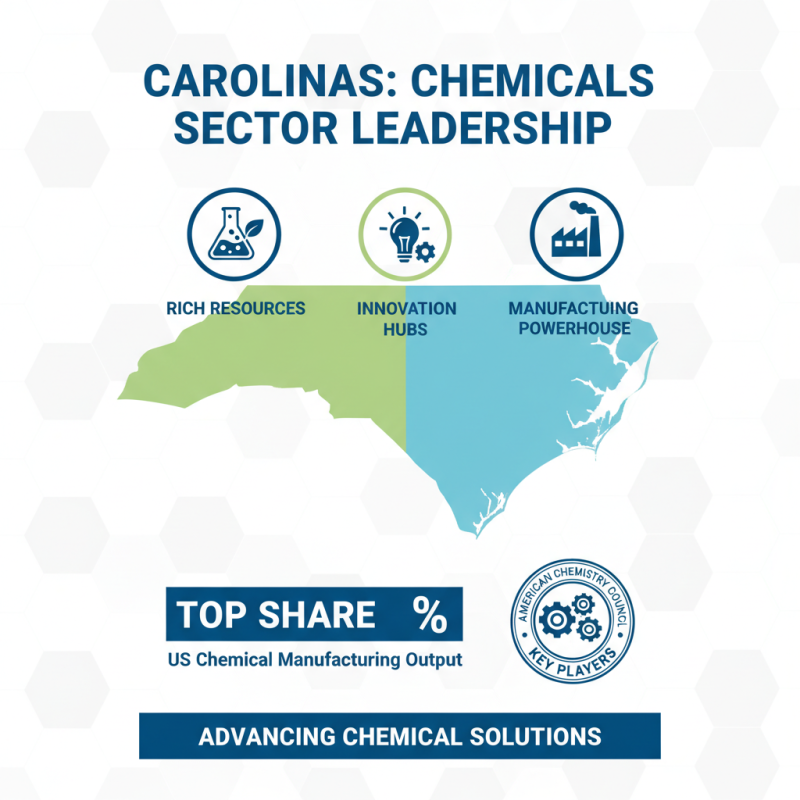
In the Carolina chemicals sector, several key players shape the industry landscape. The region is notable for its rich resources and innovation hubs. According to the American Chemistry Council, the Carolinas account for a significant share of the U.S. chemical manufacturing output. This highlights the importance of local companies in advancing chemical solutions.
Tip: Understanding regional dynamics is essential for navigating this sector.
Industry reports indicate that the Carolinas excel in specialty chemicals, agricultural chemicals, and polymers. Research shows a 5% annual growth rate in the specialty chemicals segment. This growth reflects increasing demand for innovative materials in various applications. Analysts suggest that this trend will continue, driven by sustainability initiatives.
Tip: Stay updated on emerging trends to leverage opportunities.
Moreover, workforce development is a challenge. Many companies struggle to find skilled workers. Training programs are crucial for filling this gap. Fostering partnerships with educational institutions can bridge the skills divide. This approach can enhance competitiveness and support sustainable growth in the Carolina chemicals sector.
Top Carolina Chemicals by Application and Usage
In the realm of chemical applications, Carolina is a hub for diverse chemical production. The industries here utilize chemicals in various ways. For instance, agricultural chemicals support robust crop yields. Fertilizers enhance soil quality and promote healthy growth. They enable farmers to maximize their harvests.
Moreover, the pharmaceutical sector relies heavily on Carolina chemicals. These include essential compounds for medications. They play a role in pain relief and disease management. Their production requires precision and quality control. This ensures safety and efficacy in treatments. The formulations often evolve, reflecting ongoing research and development.
Not to overlook, the energy sector uses specialty chemicals. These aid in refining processes and improve energy storage. Yet there are challenges. Sustainable practices are often debated. The impact of chemical usage on the environment sparks discussions among experts. Balancing innovation with responsibility remains a constant area for reflection.
Top 10 Carolina Chemicals by Application and Usage
Environmental Impacts of Carolina Chemicals
Carolina chemicals play a crucial role in various industries, but their environmental impacts are significant. These substances often contaminate soil and water sources. For example, runoff from agricultural lands can introduce harmful chemicals into nearby rivers and lakes. Wildlife is affected, as toxins accumulate in the food chain. Fish and other aquatic life suffer from chemical exposure, leading to population declines.
Moreover, air quality can deteriorate due to chemical emissions. Residents living near chemical plants may experience health issues. Respiratory problems are common in these areas. Many families face daily struggles due to pollution. The long-term effects of these chemicals on health are not always clear, requiring ongoing research. Communities often find it difficult to advocate for cleaner practices, feeling overwhelmed by large industries.
The use of environmentally friendly alternatives is essential. However, the transition can be slow. Many businesses are reluctant to change. Public awareness is growing, but more action is needed. We need to reflect on our reliance on these chemicals. The balance between industrial growth and environmental protection is complex. It's a challenge that demands careful consideration and responsible action.
Top 10 Carolina Chemicals You Should Know About - Environmental Impacts of Carolina Chemicals
| Chemical Name |
Common Uses |
Environmental Impact |
Health Risks |
Regulatory Status |
| Chlorine |
Water treatment, bleaching |
Can cause aquatic toxicity |
Respiratory issues, skin irritation |
Strictly regulated |
| Ammonia |
Fertilizers, cleaning agents |
Eutrophication of waterways |
Irritation of eyes, skin, respiratory tract |
Monitored for safety |
| Benzene |
Solvent, fuel additive |
Air pollution |
Carcinogenic effects |
Highly regulated |
| Lead |
Batteries, pigments |
Soil and water contamination |
Neurological damage |
Highly restricted |
| Mercury |
Batteries, thermometers |
Bioaccumulation in fish |
Cognitive impairment |
Strictly regulated |
| Formaldehyde |
Building materials, disinfectants |
Indoor air pollution |
Irritation, potential carcinogen |
Regulated exposure limits |
| Phthalates |
Plasticizers, personal care products |
Endocrine disruption |
Reproductive issues |
Limited use in products |
| Glyphosate |
Herbicide |
Soil toxicity, water runoff |
Potential carcinogen |
Controversial regulatory status |
| Asbestos |
Insulation, fireproofing |
Airborne hazards |
Lung disease, cancer |
Banned in many areas |
| Pesticides |
Agriculture, pest control |
Biodiversity loss |
Various health risks |
Subject to regulatory scrutiny |
Future Trends in Carolina's Chemical Production and Innovation
The future of North Carolina's chemical production is rapidly evolving. As environmental concerns rise, companies are investing in greener processes. According to a 2022 industry report, the state's chemical sector is projected to grow by 5% annually. This growth reflects a shift towards sustainable practices and the development of biodegradable materials.
Innovation in North Carolina focuses on bio-based chemicals. A recent study indicates that these chemicals could constitute 30% of the market by 2030. Local universities collaborate with industries to foster research in this field. Despite advancements, challenges remain. The transition to sustainable practices can incur higher costs, impacting smaller producers.
Recycling initiatives are also gaining traction. Nearly 40% of chemical manufacturers in the state are implementing strategies to reduce waste. However, there are hurdles. Achieving effective recycling requires significant investment and consumer participation. As the industry pushes forward, balancing profitability with sustainability will be key.