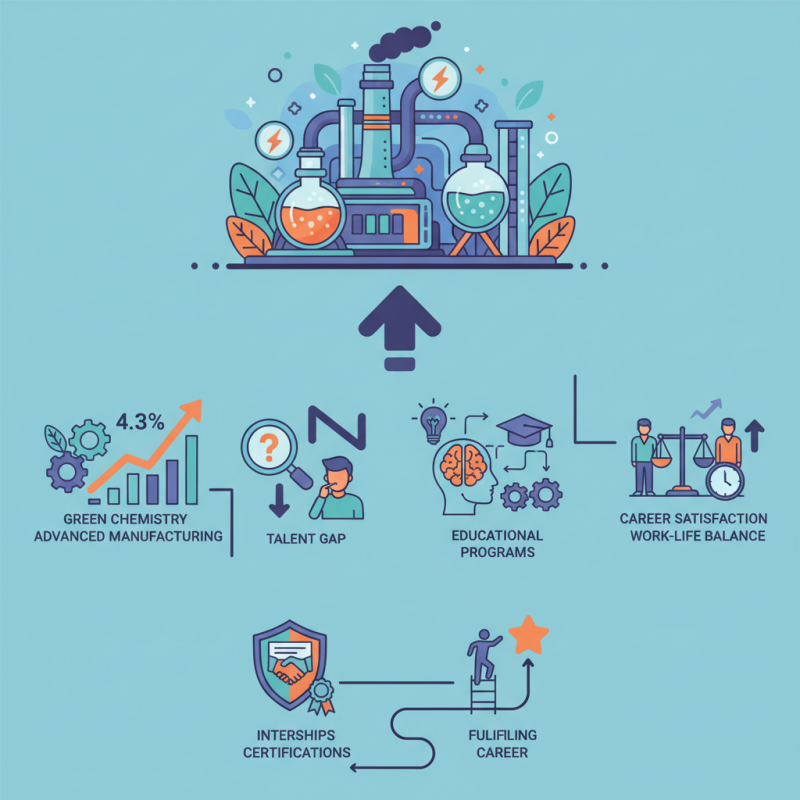
As the global demand for energy and sustainable solutions rises, the need for skilled professionals in chemical plant jobs is more critical than ever. According to a 2023 industry report, the chemical manufacturing sector is projected to grow by 4.3% annually through 2026. This growth is driven by innovations in green chemistry and advanced manufacturing technologies. Companies are actively seeking talent to support these initiatives.
However, the pipeline for future talent remains a concern. A recent survey indicated that 45% of chemical companies struggle to find qualified candidates. The gap between supply and demand highlights the urgent need for educational programs and vocational training tailored to chemical plant jobs. Furthermore, there is an ongoing challenge in retaining skilled employees, with turnover rates climbing as younger workers prioritize career satisfaction and work-life balance.
To navigate this evolving landscape, aspiring professionals should focus on gaining practical experience and technical knowledge. Engaging in internships and pursuing certifications can make candidates more marketable. Reflecting on industry trends and personal aspirations will be crucial for those seeking to build a fulfilling career in chemical plants by 2026.
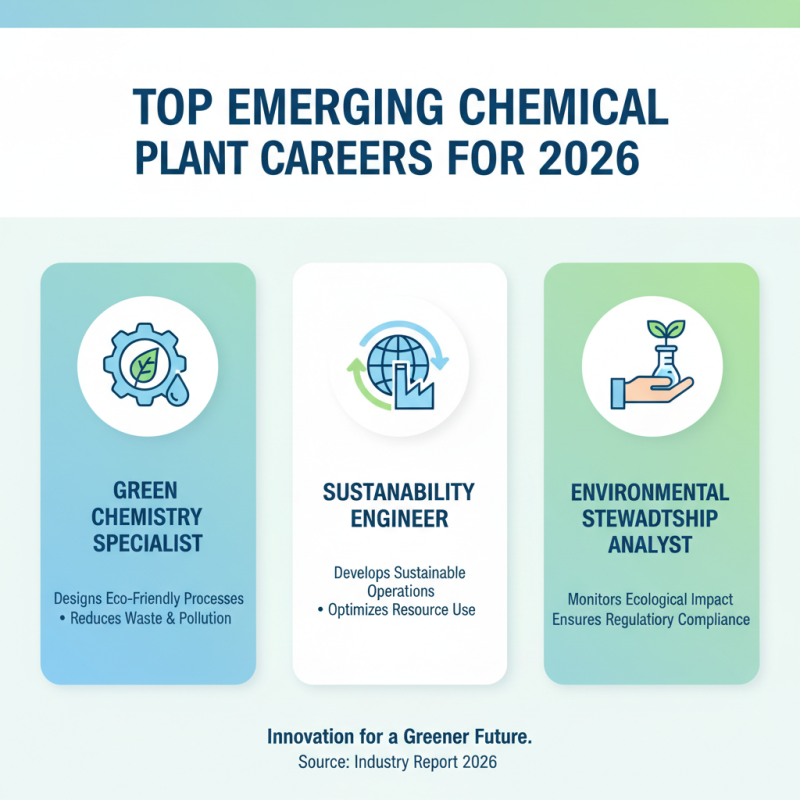
As the chemical industry evolves, new careers are emerging. In 2026, sustainability will drive many job opportunities. Positions focused on green chemistry will be in high demand. Experts will design eco-friendly processes that reduce waste. This requires innovative thinking and a commitment to environmental stewardship.
Another exciting area is data analytics. Chemical plants will increasingly rely on big data. Professionals skilled in analytics will help improve efficiency and safety. They will analyze production data to optimize processes and minimize risks. This blend of chemistry and technology is crucial for future success.
Process engineering roles will also transform. Engineers will need a strong foundation in both traditional and advanced methods. This includes an understanding of automation and artificial intelligence. While many will have the technical skills, effective communication is essential. Not all engineers excel in this area. Thus, a focus on teamwork and collaboration will be vital for career success in this field.
The chemical industry is on the verge of significant growth in the upcoming years. This expansion will create diverse job opportunities. As new technologies emerge, companies will seek skilled workers to meet production demands. From chemical engineers to safety managers, the need for expertise is rising.
Emerging trends indicate a strong push towards sustainability. Companies are focusing on green chemistry and eco-friendly practices. This shift requires personnel with specialized knowledge in sustainable processes. Positions related to research and development will see substantial growth. Workers who can innovate are highly sought after.
However, challenges persist. The industry needs to adapt to changing regulations and market demands. Job seekers must remain flexible and proactive. Continuous learning will become essential. Those entering this field must be ready to evolve with the industry. Being part of this transformation can be rewarding but requires effort and commitment.
In 2026, chemical plant jobs will demand diverse and specialized skills. Candidates should focus on mastering automation and data analytics. These technologies are reshaping industries. Understanding process control systems is essential. It helps in optimizing production. Familiarity with programmable logic controllers (PLCs) can set applicants apart.
Alongside technical skills, communication is vital. Teamwork in high-pressure environments is common. Effective communication ensures safety and efficiency. Knowledge of safety regulations is also crucial. Workers must manage risks associated with chemical handling. A strong foundation in chemistry and environmental science will be beneficial too.
Problem-solving abilities cannot be overlooked. Complex challenges arise daily in chemical plants. Workers must think critically to develop solutions. Adaptability is key in a rapidly changing landscape. Continuous learning will prepare professionals for future challenges. Embracing change can enhance career prospects.
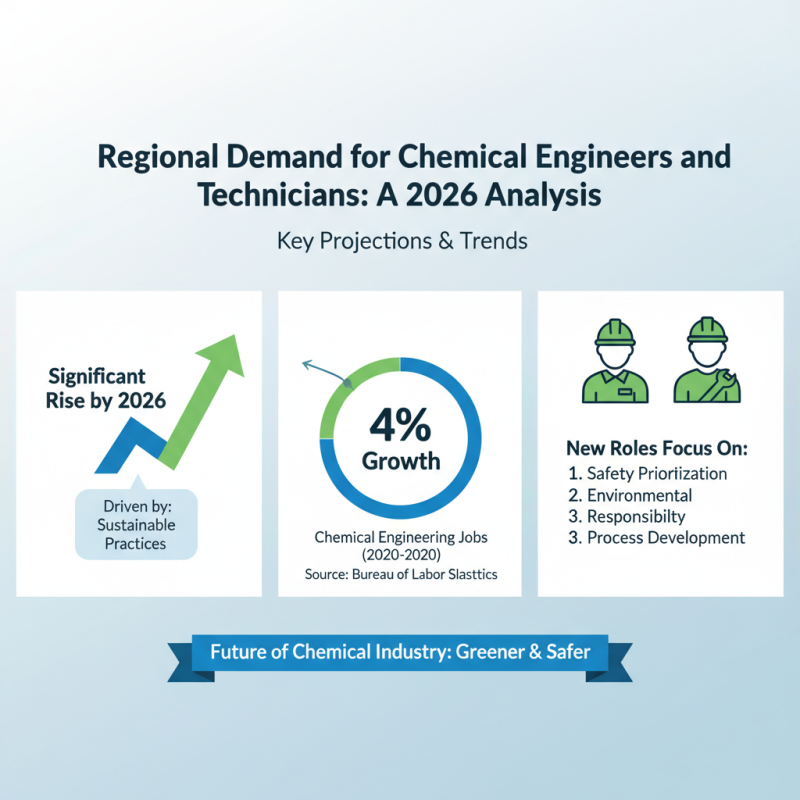
The demand for chemical engineers and technicians is expected to rise significantly by 2026. According to the Bureau of Labor Statistics, employment in the chemical engineering field may grow by 4% from 2020 to 2030. This growth reflects the increasing need for sustainable practices in the chemical industry. Engineers are sought to develop processes that prioritize safety and environmental responsibility.
Regional analysis shows a diverse landscape. Areas with robust industrial bases, like Texas and California, present abundant opportunities. The American Chemical Society reports that these regions will see a surge in hiring. Companies are focusing on innovative solutions to meet state regulations. Notably, companies struggle to find qualified applicants, creating a competitive job market.
While growth is promising, challenges persist. The skills gap remains a significant concern. Many candidates lack hands-on experience with advanced technologies. Emerging technologies, such as automation and AI, also demand new skills. As firms adapt, they will seek talent familiar with these innovations. Training programs need to evolve to meet these shifting demands. Addressing these issues is crucial to ensure the industry's sustainability and growth in the coming years.
Sustainability is a critical factor shaping future chemical plant jobs. As the world faces climate challenges, companies prioritize eco-friendly practices. Workers in chemical plants must adapt to meet these new demands. For instance, engineers will focus on designing processes that minimize waste. Training programs will evolve to emphasize green technologies.
New roles are emerging, reflecting this shift. Sustainability officers will guide plants in reducing their environmental impact. Compliance specialists will ensure adherence to stricter regulations. Even entry-level positions will require some knowledge of sustainability practices. However, many workers may feel overwhelmed by these changes, lacking the necessary training.
The industry also faces a skills gap. Many current employees may not have experience with sustainable practices. As a result, ongoing education is essential. Collaboration between companies and educational institutions can bridge this gap. Workers must embrace a learning mindset to thrive in this evolving landscape.