Top China Safety Helmet Supplier for Global Importers?
In the global market, the demand for quality safety helmets continues to rise. Importers seek reliable sources, particularly from China. Experts point to the high standards and affordability offered by China Safety Helmet Suppliers. "Quality is not just a requirement; it's the foundation of trust," says Dr. Li Wei, an industry specialist in safety equipment.
Additionally, as safety regulations evolve, importers face challenges in selecting the right supplier. Many wonder how to navigate the vast options available. While China boasts numerous suppliers, not all meet the strict standards required by various industries. It's crucial for global importers to thoroughly evaluate potential partners.
The journey to find a top China Safety Helmet Supplier is not straightforward. Importers must consider multiple factors, including quality certifications and product range. Despite the overwhelming choices, there is a pressing need for informed decisions. Many importers reflect on their past experiences, realizing that due diligence can prevent costly mistakes.
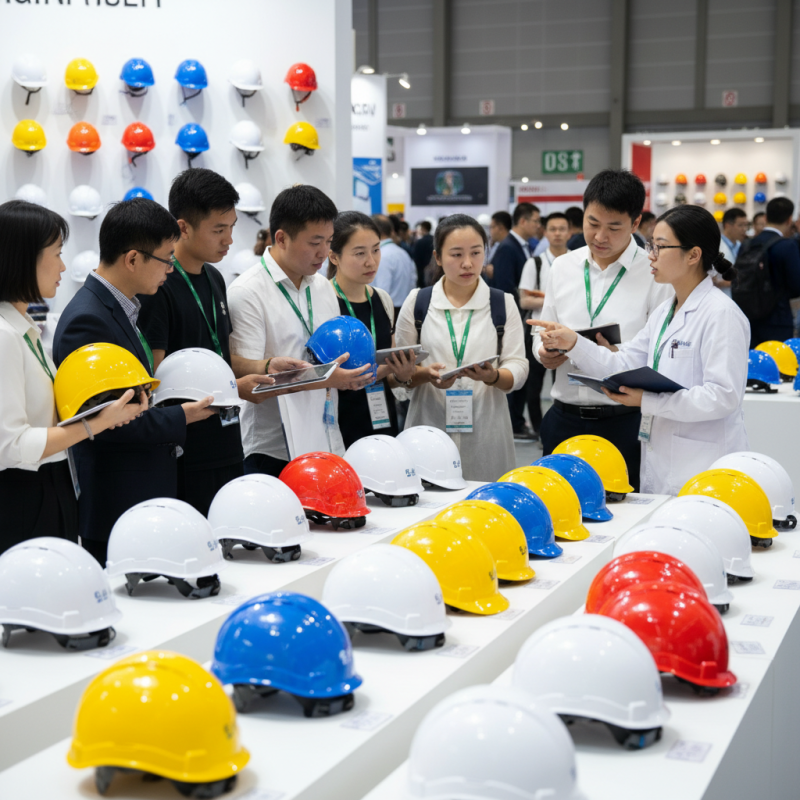
Overview of the Safety Helmet Industry in China
The safety helmet industry in China has seen significant growth in recent years. The global market for safety helmets is expected to reach USD 2.8 billion by 2025. A key driver of this growth is the increasing awareness of workplace safety. In various sectors, including construction and manufacturing, regulations are becoming stricter. Organizations are investing heavily in personal protective equipment (PPE) to comply with these standards.
In 2020, China accounted for approximately 25% of the global safety helmet production. Many manufacturers focus on meeting international quality standards. Safety helmets produced in China are often tested to meet ANSI and CE certifications. However, not all manufacturers maintain these standards consistently. Importers should conduct thorough due diligence when selecting suppliers.
Tips: Always request samples before placing large orders. This helps assess the quality. Research supplier certifications to ensure compliance. Maintaining safety gear quality protects your workforce effectively. Regular audits of supplier facilities can prevent future complications. Quality should never be compromised for cost.
Key Players in China's Safety Helmet Manufacturing Market
China's safety helmet manufacturing market is bustling with activity. The demand for safety helmets has surged due to increasing safety regulations across various industries. This trend has attracted numerous manufacturers looking to capture the global market. Key players in this sector not only focus on quality but also innovate designs to meet diverse customer needs.
When selecting a supplier, it's essential to consider their experience and credibility. Look for manufacturers with a track record of compliance with international safety standards. This can significantly reduce risks in the procurement process. Testing the quality of helmets before making bulk purchases is advisable. A small initial order can help assess reliability.
One important aspect to consider is customization. Some manufacturers offer tailored solutions based on customer specifications. This could range from colors and designs to specific safety features. However, ensure that these custom options do not compromise overall safety performance. Always prioritize quality assurance over aesthetic preferences.
Quality Standards and Certifications for Safety Helmets
When selecting safety helmets, quality standards and certifications become paramount. Various industries rely on these helmets for worker safety. It's crucial to ensure that they meet international safety standards. Compliance with ISO standards is often regarded as a benchmark for quality. Helmets should also pass specific tests, ensuring they can withstand impacts and provide adequate protection.
Certifications can vary widely. Some may be specific to a region or industry. For instance, a helmet might be certified for construction use but not for electrical work. Importers need to carefully verify these details. A lack of understanding can lead to disastrous consequences. It's not just about compliance; it's about protecting lives.
Choosing a supplier with a proven record can be challenging. Many companies claim to meet quality standards, yet delivering consistent quality can be difficult. Always seek transparency in testing results and certifications. Understand the processes involved. This diligence can lead to better safety outcomes for workers globally.
Factors for Global Importers to Consider When Sourcing
When sourcing safety helmets from China, global importers must consider various critical factors. Understanding the manufacturing processes and materials used is essential. Look for helmets made from high-impact plastics or advanced composites. Such materials enhance durability and provide better protection.
Tips: Always request product samples. This allows you to assess the quality firsthand. Consider the helmet's weight and comfort, as these factors impact user experience. Helmets should fit well and feel comfortable for extended wear.
Certifications are another crucial aspect. Ensure that helmets come with necessary safety certifications. This demonstrates compliance with international safety standards. Documenting these certifications is vital for imports.
Tips: Verify supplier claims independently. This step ensures credibility and can prevent potential safety issues. Establish clear communication channels with suppliers. Open dialogue fosters trust and helps address any concerns promptly.
Emerging Trends in Safety Helmet Design and Technology
The safety helmet industry is witnessing exciting innovations. New materials are enhancing protection. Lightweight composites and advanced polymers show great promise. They make helmets more comfortable while maintaining high safety standards.
Bluetooth technology is another emerging trend. Integrated communication systems enable workers to stay connected. This feature proves invaluable in high-noise environments, such as construction sites. Workers can communicate without removing their helmets. Nevertheless, it raises concerns about distractions. Balancing technology use with safety remains a challenge.
Design also plays a crucial role. Streamlined silhouettes and customizable features appeal to modern users. Bright colors and reflective elements increase visibility, which is critical in various work environments. However, aesthetic considerations should not overshadow functionality. Striking the right balance is imperative for manufacturers. Ensuring that new designs meet safety regulations can be a demanding task.
Top China Safety Helmet Supplier for Global Importers? - Emerging Trends in Safety Helmet Design and Technology
| Feature | Description | Trend Level | Innovation Index |
| Material Technology | Use of lightweight, high-impact resistant materials for better protection | High | 85% |
| Smart Helmets | Integration of augmented reality and Bluetooth technology for enhanced safety features | Emerging | 75% |
| Ventilation Systems | Improved airflow designs for comfort in hot working conditions | Moderate | 65% |
| Custom Fit | Adjustable fit systems to ensure comfort and safety | High | 80% |
| Eco-friendly Materials | Use of sustainable and recyclable materials in helmet production | Increasing | 70% |