2026 Top Hydrogen Refueling Stations at Canton Fair Insights?
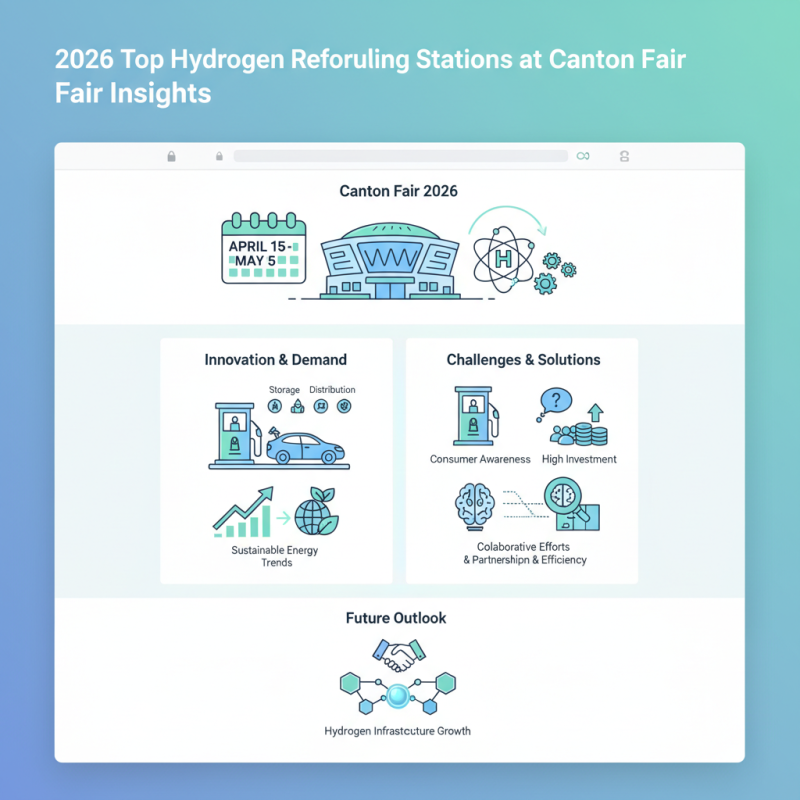
The 2026 Canton Fair, scheduled from April 15 to May 5, will feature advanced industries. Among the highlights, Hydrogen Refueling Stations are emerging as a focal point. These stations align with global trends towards sustainable energy solutions. As the world shifts to cleaner alternatives, the demand for hydrogen infrastructure grows.
Exhibitors will showcase innovative technologies related to Hydrogen Refueling Stations. This could include advancements in storage, distribution, and safety measures. Attracting attention, the stations support electric vehicle markets. However, challenges remain. A lack of widespread consumer awareness needs addressing. Additionally, the initial investment costs for these stations can be high.
Moreover, the integration of AI technology at the fair enhances the experience for buyers. With AI-driven navigation, attendees can efficiently locate relevant exhibitors. This improvement aids in exploring the potential of Hydrogen Refueling Stations throughout the massive venue. The efficient planning may lead to fruitful partnerships. Yet, the true effectiveness of these stations relies on the collaborative efforts of the industry.
Overview of Hydrogen Refueling Stations in 2026
As the world shifts towards cleaner energy, hydrogen refueling stations are becoming crucial. In 2026, these stations are expected to play a vital role in the transition to sustainable transportation. Many locations will offer quick refueling options, making hydrogen vehicles more accessible. The infrastructure will likely expand significantly, but challenges remain.
Hydrogen refueling stations face various obstacles. Availability in rural areas is still limited. This could hinder the growth of hydrogen vehicle adoption. The perception of safety also needs addressing. Developing public trust will be essential for progress. Additionally, production methods for hydrogen require attention.
In the future, we may see innovative designs for these stations. For instance, some may incorporate renewable energy sources. This could make them more environmentally friendly. However, achieving this goal requires collaboration and investment. More research is needed to optimize efficiency and cost. Expanding the network of stations is just the beginning; continuous improvements will be necessary.
Key Features of Top Hydrogen Refueling Stations
The upcoming 2026 Top Hydrogen Refueling Stations at the Canton Fair are poised to showcase key innovations. These stations are designed with efficiency in mind. Advanced technology is integrated into their operations, enhancing the refueling process. Many will incorporate real-time tracking to optimize fuel supply. This feature can reduce wait times, which is crucial for busy users.
The stations will also focus on user accessibility. Clear signage and user-friendly interfaces are a priority. Interactive displays may help guide users through the refueling process. However, there are some challenges to consider. Ensuring equal access for all types of hydrogen vehicles remains a complex issue. Location selection needs careful thought to maximize convenience.
Sustainability is another key aspect of these stations. Most will feature renewable energy sources for operation. Solar panels and wind turbines can significantly lower operating costs. Yet, there’s a constant need for improvement in energy efficiency. Observers may notice that some designs still rely heavily on traditional energy sources. This presents a chance for introspection and innovation in the industry.
Technological Innovations in Hydrogen Refueling Infrastructure
The hydrogen refueling infrastructure is evolving rapidly. Technological innovations play a crucial role in enhancing the efficiency and accessibility of these stations. Recent data shows a projected growth rate of 38% CAGR for hydrogen refueling stations from 2021 to 2026. This highlights increasing industry interest and investment in cleaner energy solutions.
Key advancements include automated refueling technology. This simplifies the user experience, reducing the time spent at stations. In addition, improved storage solutions enhance safety and reduce costs. A notable trend is integrating renewable energy sources into station operations. Reports indicate that stations harnessing solar or wind energy can cut operational costs by up to 20%.
Tips: Keep an eye on safety features. The best stations implement stringent safety protocols. Also, consider user interfaces. An intuitive design can improve overall efficiency.
These innovations have not been without challenges. Many stations still face regulatory hurdles. Infrastructure development can be slow. As a result, some regions see delays in rollout. The inconsistencies in technologies across different geographic areas complicate integration.
2026 Top Hydrogen Refueling Stations Insights
Impact of Hydrogen Refueling Stations on Sustainable Transportation
Hydrogen refueling stations are crucial for advancing sustainable transportation. A recent report from the International Energy Agency highlights that hydrogen could power 10 million fuel cell vehicles by 2030, given proper infrastructure. The need for these stations is immediate. Many regions still lack access, limiting the growth of hydrogen vehicles.
Currently, there are about 500 hydrogen refueling stations worldwide, yet this number falls short. A study predicts we need over 1,600 by 2025 for optimal coverage. This presents challenges. Many investors hesitate, uncertain about returns in a rapidly evolving market. Infrastructure costs are high, and regulations vary significantly across regions.
Additionally, public awareness remains low. Many consumers question the reliability of hydrogen technology. Despite its potential, hydrogen faces skepticism. The energy transition requires significant education and outreach efforts. As we move toward sustainable transport, addressing these gaps in infrastructure and public perception is essential for success.
Future Trends and Developments in Hydrogen Fueling Networks
The hydrogen fueling sector is evolving rapidly. By 2026, key insights suggest that infrastructure will grow significantly. According to recent industry reports, the number of hydrogen refueling stations could exceed 10,000 globally by 2026. This growth reflects rising demand for cleaner energy solutions. The shift towards hydrogen fuel is largely driven by environmental policies and technological advancements.
Trends indicate that major cities will lead the charge in developing hydrogen networks. Urban areas will likely focus on integrating hydrogen into public transport systems. A significant portion of investment will flow into developing infrastructure to support heavy-duty vehicles. However, the disparity in refueling station distribution could hinder growth. Demand in remote areas may not be met adequately.
Tips: Stay informed about local policies promoting hydrogen technologies. Engaging with industry forums can provide valuable networking opportunities. Consider the benefits of joining initiatives focused on sustainable transport. These steps can ensure better alignment with the industry's future. As we advance, addressing the gaps in infrastructure planning will remain a challenge worth reflecting upon.