
Top Mineral Oil Based Defoamer Suppliers?

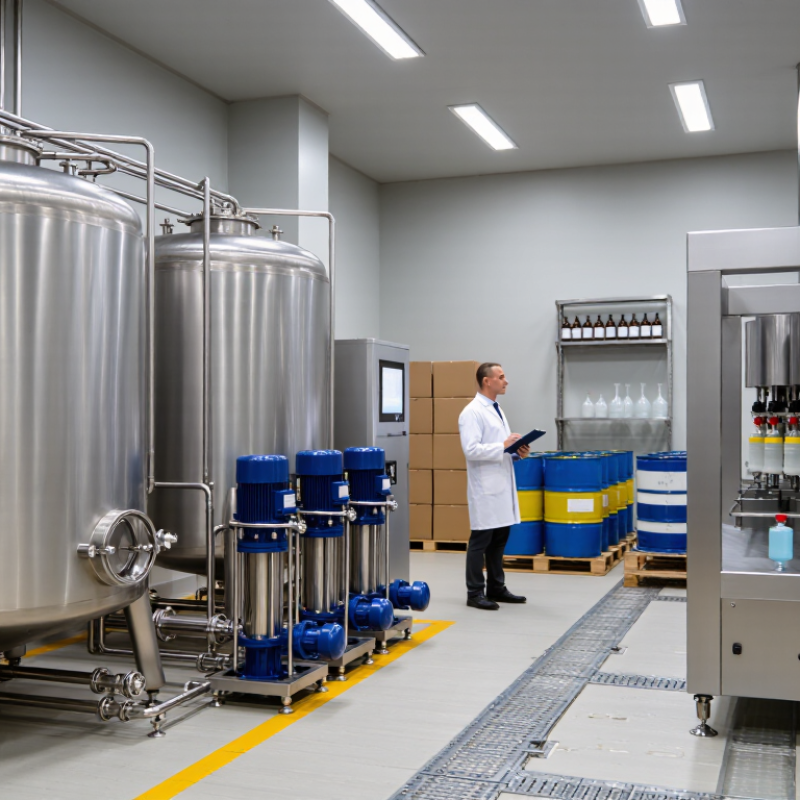
Choosing among the top Mineral Oil Based Defoamer suppliers requires more than comparing prices or product labels. Real performance appears on the production floor, beside stainless-steel mixing tanks, transfer pumps, and fast-moving filling lines. A reliable supplier should provide consistent mineral oil quality, clear technical data, batch traceability, and responsive formulation support. Compatibility matters too. A defoamer that controls surface foam may still create deposits, reduce coating uniformity, or interfere with downstream processing.

Dr. David J. Green, an industrial formulation specialist, explains, “Effective defoaming is not about destroying every bubble; it is about controlling foam without disturbing the process.” This practical view helps buyers assess suppliers more carefully. The best partner usually offers laboratory screening, dosage guidance, application testing, and realistic documentation. Ask how the product behaves in alkaline systems, high-shear equipment, wastewater streams, coatings, adhesives, or other target applications. Small trials reveal important details. Watch the liquid surface after ten minutes. Check whether foam returns during pumping. Inspect the finished material for oil separation or haze.

No ranking is perfect. A supplier with excellent technical service may not offer the lowest price. A large manufacturer may provide scale but limited customization. That is where the evaluation becomes less comfortable, and more honest. This guide examines leading Mineral Oil Based Defoamer suppliers through product consistency, manufacturing experience, technical support, delivery reliability, and value in actual use. The goal is not to promote a single name. It is to help purchasers make a defensible choice, even when supplier claims appear similar.
Top Mineral Oil Based Defoamer Suppliers?

What Is a Mineral Oil Based Defoamer?

A mineral oil based defoamer is an oil-in-water or oil-dispersed additive that controls unwanted foam during manufacturing. It usually contains refined mineral oil, hydrophobic particles, emulsifiers, and performance modifiers. The oil weakens foam films, while the hydrophobic components help bubbles collapse quickly. It is commonly used in coatings, wastewater treatment, adhesives, pulp processing, and industrial cleaning.

In practical use, the defoamer must spread across the liquid surface without harming the final product. A suitable grade can reduce foam during mixing, pumping, filling, or filtration. Operators often begin with a low dosage, then adjust it after observing temperature, agitation speed, pH, and raw material changes. Small trials matter. Too little leaves persistent foam, while too much may create surface defects, haze, or poor coating adhesion.

Choosing a reliable supplier requires more than comparing price per kilogram. Technical data should identify viscosity, active content, recommended dosage, storage conditions, and compatibility limits. Suppliers should also provide batch consistency and application guidance based on real production conditions. I have found that laboratory foam tests can look excellent, yet factory results may differ because equipment geometry changes bubble behavior. That uncertainty deserves attention. A controlled plant trial remains essential before routine purchasing.

How Mineral Oil Based Defoamers Work

Mineral oil based defoamers control foam by attacking the thin liquid films around bubbles. When foam forms, small defoamer droplets move across the liquid surface. Their lower surface tension helps them spread over the bubble film. The droplet then penetrates the film and pushes aside stabilizing surfactants. The film becomes weaker and breaks. The bubble collapses quickly.

The mechanism is simple, but performance depends on formulation and process conditions. Agitation can distribute the defoamer evenly, while excessive shear may create fresh foam. Temperature also matters. A product working well at 25°C may behave differently near 60°C. In wastewater treatment, a few milliliters added to a test beaker can reveal compatibility problems. Too much defoamer may cause oily spots, coating defects, or filtration issues. Less is often safer.

When comparing mineral oil based defoamer suppliers, I look beyond price. Reliable suppliers should provide technical data, safety information, storage guidance, and batch consistency records. Application samples are important. A defoamer should be tested in the actual resin, coating, pulp, or treatment water. Laboratory results can mislead. I have seen a product pass a quick foam test but perform poorly during continuous mixing. That result deserves reflection, not excuses. A practical supplier explains dosage, dispersibility, temperature limits, and possible surface defects clearly.

Top Mineral Oil Based Defoamer Suppliers? — How Mineral Oil Based Defoamers Work

Typical starting dosage ranges for mineral-oil-based defoamers across common industrial applications. Actual dosage depends on foam intensity, formulation chemistry, temperature, shear, and process conditions.

How they work: Mineral oil provides a low-surface-tension phase that spreads across foam lamellae. Hydrophobic particles and other active components enter the bubble film, displace foam-stabilizing materials, and accelerate film drainage and bubble rupture. The lowest effective dosage is normally preferred to reduce surface defects and formulation interference.

Ranges are representative industry practice expressed as parts per million of finished process material; they are not universal product specifications.

Key Factors for Evaluating Defoamer Suppliers

When evaluating mineral oil based defoamer suppliers, begin with application evidence, not attractive pricing. A reliable supplier should understand your process, including temperature, shear, pH, and foam source. Ask for laboratory data that matches your actual formulation. Small differences matter. A defoamer may perform well in a coating but fail in wastewater treatment. Request samples from consistent production batches, then compare foam decay, surface defects, and dosage under controlled conditions.

Supplier expertise also appears in technical documents and communication. Check the product specification, safety information, storage conditions, and recommended addition method. Documents should be clear, current, and traceable. Independent testing can confirm viscosity, density, active content, and stability. Do not rely only on a sales explanation. Production records, quality controls, and a documented complaint process provide stronger evidence of reliability. The supplier should also explain how raw material changes are managed.

Supply performance deserves equal attention. Review lead times, minimum order quantities, packaging protection, and emergency support. A technically excellent defoamer is useless if deliveries arrive late or drums leak. Evaluate pilot-scale support before committing to regular purchases. A low price can look attractive. It can also hide higher dosage or unstable performance. My first checklist would probably focus too much on laboratory results; plant behavior often tells the harder truth. Ask for references from similar applications, while remembering that one successful trial never proves universal suitability.

Leading Types of Mineral Oil Based Defoamer Suppliers

Mineral oil based defoamer suppliers usually fall into four practical groups: chemical manufacturers, specialty formulators, regional distributors, and private-label producers.

Manufacturers offer stable base oils and repeatable production controls.

Formulators adjust hydrophobic particles, emulsifiers, and viscosity for specific processes.

Distributors often provide faster delivery and local technical support.

Private-label suppliers can reduce purchasing complexity, but their technical transparency may be limited.

Industry reports show steady demand for antifoaming agents across water treatment, coatings, pulp and paper, and food processing. Grand View Research estimated the global antifoam agents market at about USD 6 billion in 2023, with industrial applications representing a major share.

MarketsandMarkets also projects continued growth through the decade, driven by wastewater treatment and process efficiency. These figures cover several chemistries, not mineral oil products alone. That distinction matters.

Experienced buyers test suppliers beyond price.

A useful trial compares foam collapse within 30 seconds, emulsion stability after storage, and performance at actual operating temperatures.

In wastewater, a low-dose sample should work without creating oily surface deposits.

In coatings, excessive defoamer can cause craters or poor gloss.

Ask for technical data sheets, safety documentation, batch consistency records, and application references.

Some suppliers provide impressive laboratory results but weak field support. I have seen this gap complicate scale-up.

A controlled plant trial remains essential.

How to Select the Right Supplier for Your Application

Top Mineral Oil Based Defoamer Suppliers?

How to Select the Right Supplier for Your Application

Choosing a mineral oil based defoamer requires more than comparing prices. The best supplier understands your process, not only the product name. Ask about foam behavior, operating temperature, shear, pH, and contact time. These details influence performance significantly.

Request a representative sample for controlled testing. Use your actual formulation, equipment, and production speed. A defoamer that works in a beaker may fail in a high-shear mixer. Check whether it disperses quickly or leaves oily spots on the surface. Small defects can become costly during coating, printing, wastewater, or adhesive production.

Reliable suppliers provide technical data, safety documentation, batch specifications, and clear dosage guidance. Review viscosity, active content, storage conditions, and recommended addition points. Consistent batch quality matters. So does responsive technical support. Ask how the supplier handles complaints, retesting, and formulation changes.

Do not ignore supply stability. Evaluate lead times, packaging options, production capacity, and quality controls. Independent certifications can support credibility, but they cannot replace application trials. No supplier is perfect. A promising sample may still create deposits after several production hours. That possibility deserves attention. Record trial results carefully, including foam height, surface appearance, filtration behavior, and cleaning effort. The right supplier should discuss these findings openly and adjust recommendations when evidence proves the original advice incomplete.

Scroll to Top