Top Tips for Ordering Chemicals Safely and Effectively?
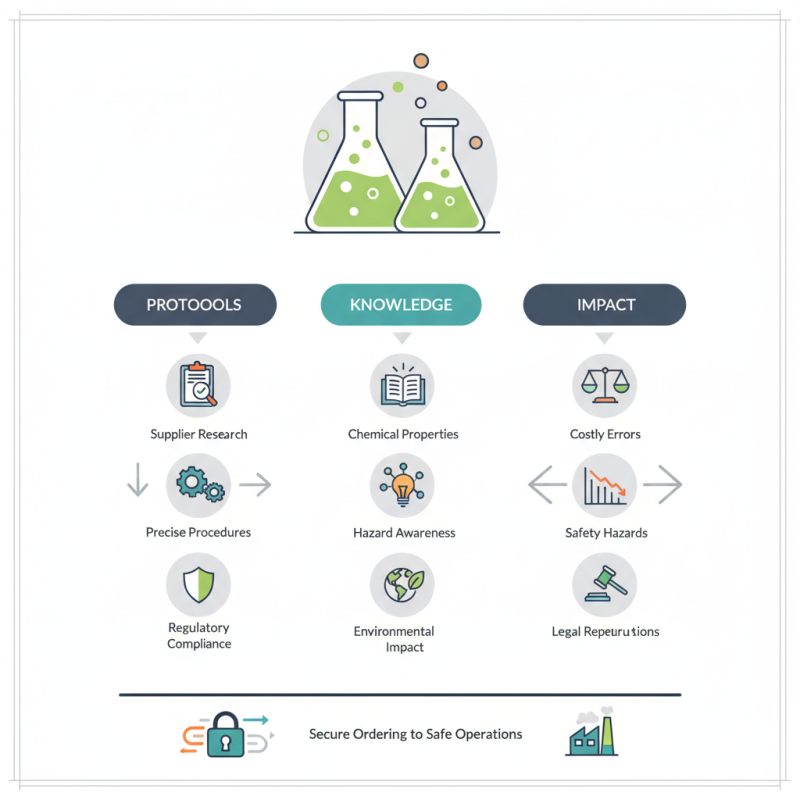
Ordering chemicals safely and effectively is paramount in industries such as pharmaceuticals, agriculture, and manufacturing. According to a report by the Chemical Safety Board (CSB), improper ordering processes can lead to significant hazards, affecting both employees and the environment. Experts emphasize that precise protocols and a thorough understanding of chemical properties are essential. Dr. Alice Thompson, a renowned chemical safety expert, states, “To order chemicals effectively, one must combine knowledge with a cautious approach.”
The chemical industry faces unique challenges. The need for transparency and accountability is ever-present. Inaccurate ordering can result in costly mistakes. Many organizations fail to conduct adequate research on suppliers, leading to poor chemical quality. Industry statistics indicate that up to 30% of chemical incidents arise from mismanagement during the order process.
Ensuring compliance with regulatory standards cannot be overlooked. Toxic or banned substances pose severe risks to both health and safety. The implications of hazardous materials mishandling are vast, including potential legal repercussions. Many companies struggle with outdated procedures, which can contribute to unsafe practices. The mantra remains: order chemicals with diligence and care, as the consequences of negligence can be dire.
Understanding Your Chemical Needs and Requirements
When it comes to ordering chemicals, understanding your specific needs is crucial. Many professionals overlook the importance of determining the required purity level. A study by the American Chemical Society found that 70% of lab errors stem from improper material selection. This highlights the need for clear identification of your chemical specifications, whether for research or manufacturing purposes.
Additionally, accurate labeling and documentation are essential. Miscommunication can lead to dangerous situations. In a recent report, the National Safety Council noted that 45% of workplace incidents involving chemicals resulted from labeling errors. Establishing a detailed order form that outlines the chemical identity, concentration, and storage conditions can mitigate risks.
It's also vital to assess supplier reliability. A survey indicated that only 60% of chemical suppliers met quality standards consistently. Engaging with reputable suppliers who prioritize safety and compliance can help ensure that your orders are processed correctly. Reflecting on past ordering experiences can provide insights into potential pitfalls and help refine future procurement strategies. Being aware of these challenges is part of creating a safe and effective chemical ordering process.
Researching Reputable Chemical Suppliers and Distributors
When researching reputable chemical suppliers and distributors, it's crucial to focus on credibility. Statistics show that 30% of purchasing decisions rely on supplier reputation. Buyers should look for suppliers with a strong market presence and transparency. Industry certifications are a sign of reliability. Many suppliers undergo rigorous quality checks. This can give buyers confidence in the quality of chemicals they purchase.
Another critical aspect is customer reviews. About 50% of industries consider reviews vital. They provide insights into the supplier's service and product quality. Engaging with suppliers directly can reveal much about their operations. Ask about their sourcing practices and storage methods. Inquire if they have experienced personnel. Their expertise can greatly impact the safety and efficacy of your orders.
However, even reputable suppliers may face challenges. For instance, a 2022 report noted that 25% of suppliers struggled with supply chain issues due to global events. This highlights the importance of having alternative sources. Buyers should continuously refine their supplier list. Doing so ensures that you always have reliable options, regardless of fluctuating market conditions.
Ensuring Compliance with Safety Regulations and Standards
When ordering chemicals, ensuring compliance with safety regulations is crucial. According to the American Chemical Society, over 30% of reported laboratory incidents are due to improper chemical handling. Each company must familiarize itself with the relevant regulations. This includes understanding the Globally Harmonized System (GHS) for classification and labeling of chemicals. Adherence to these standards can prevent accidents and injuries in the workplace.
Documentation plays a vital role in maintaining compliance. Safety Data Sheets (SDS) provide essential information on chemical hazards. However, studies show that about 25% of facilities do not have complete SDS for all materials. It is advisable to conduct regular audits of SDS to ensure they are updated and accessible. Training staff to read and interpret these documents can enhance safety practices.
Furthermore, companies should assess their suppliers. Selecting vendors who prioritize compliance reduces risk. A research report from the Chemical Safety Board indicates that 40% of chemical-related incidents stem from lack of oversight in sourcing. Creating a checklist to evaluate suppliers on their safety standards is a proactive step. This not only protects employees but also the environment. Regularly reviewing supplier compliance can ensure a safer chemical ordering process.
Implementing Safe Handling and Storage Practices for Chemicals
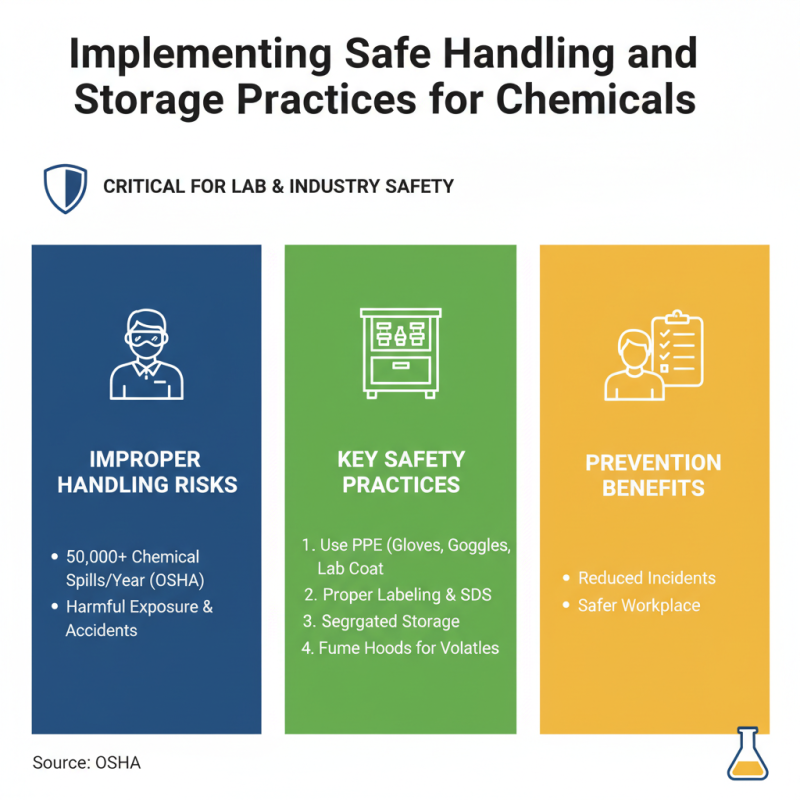
Safe handling and storage of chemicals is critical in any laboratory or industrial setting. According to the Occupational Safety and Health Administration (OSHA), improper handling contributes to over 50,000 reported chemical spills annually. Such incidents can lead to harmful exposure and workplace accidents, highlighting the need for stringent safety practices.
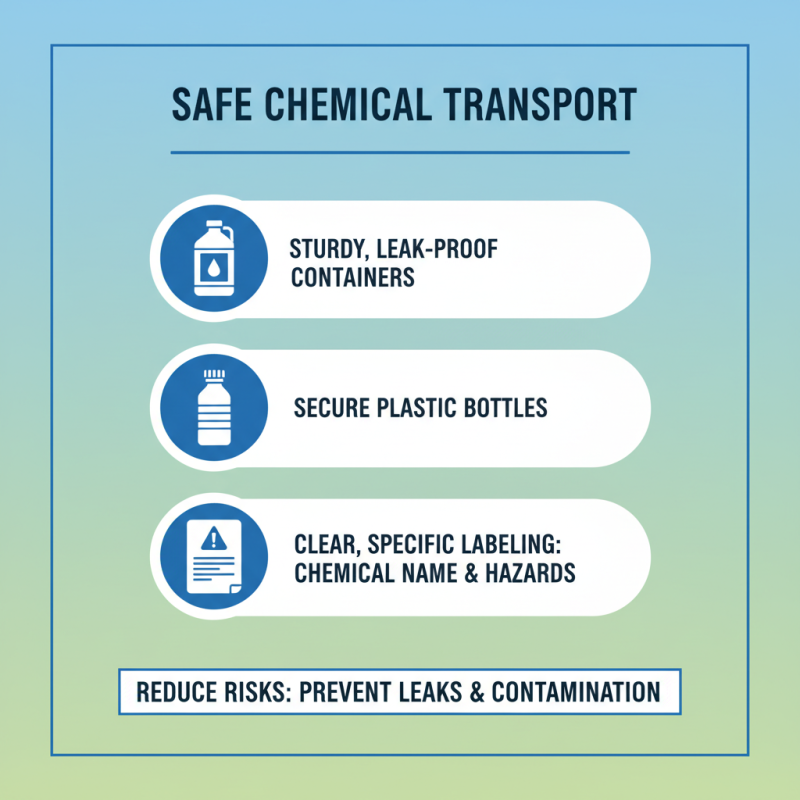
For effective chemical storage, use clearly labeled, secure containers. A study by the National Institute for Occupational Safety and Health (NIOSH) emphasizes that visual identification significantly reduces errors in chemical usage. Regular audits are also essential. Facilities that conduct biannual safety checks reported a 22% decrease in chemical-related incidents. Notably, maintaining Material Safety Data Sheets (MSDS) for all chemicals can guide proper handling procedures.
However, many organizations struggle to implement these standards thoroughly. Training is often inconsistent, and safety practices can become outdated. Furthermore, overcrowding of storage areas may lead to improper chemical segregation, increasing risks of reactions. Continuous evaluation of safety protocols and commitment to training can help mitigate these issues, ensuring a safer environment for all personnel involved.