2026 Top Transformer Substation Trends You Need to Know?
The future of Transformer Substations is evolving rapidly. As the demand for efficient energy distribution grows, innovations are reshaping these critical infrastructures. In 2026, several key trends are set to impact Transformer Substations significantly.
One prominent trend is the integration of digital technologies. These advancements enhance operational efficiency and facilitate better monitoring systems. However, reliance on technology raises concerns about cybersecurity. Decision-makers must remain vigilant to protect infrastructure. Another trend is the shift toward renewable energy integration. Transformer Substations will play a vital role in facilitating this transition. Yet, adapting to fluctuating energy sources presents challenges for stability and reliability.
Moreover, sustainability practices are becoming essential. Eco-friendly materials and processes are increasingly sought after. Yet, the balance between performance and environmental impact can be elusive. As we move forward, understanding these trends will be crucial for industry stakeholders. The landscape of Transformer Substations will continue to transform, demanding both innovation and reflection on our practices.
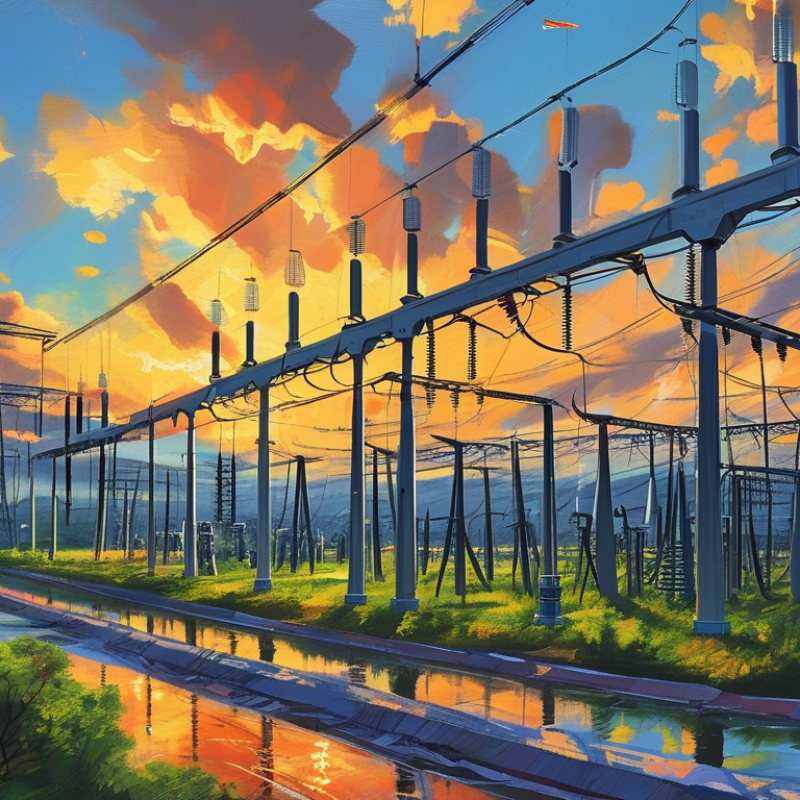
Emerging Technologies in Transformer Substations for 2026
The landscape of transformer substations is evolving rapidly. New technologies are reshaping how energy is managed and distributed. One significant trend is the integration of smart technologies. Real-time monitoring systems enhance operational efficiency. They allow for predictive maintenance, which minimizes downtime and reduces costs.
Another exciting development is the use of energy storage solutions. These systems are becoming crucial in balancing supply and demand. Utilities can now store excess energy and deploy it during peak hours. This capability improves grid stability and supports renewable energy integration.
Finally, digital twins have emerged as powerful tools for facility management. They create virtual models of physical assets, enabling better planning and risk assessment. This innovation can identify weaknesses in infrastructure. However, as with all technologies, challenges such as data security and integration remain. Reflecting on these, utilities must find ways to address these concerns while embracing advancements.
2026 Top Transformer Substation Trends You Need to Know
| Trend | Description | Impact | Technology Involved |
| Digital Twin Technology | Creating a digital replica of transformer substations for real-time monitoring and predictive maintenance. | Increased efficiency and reduced downtime through proactive maintenance. | IoT, AI, simulation software. |
| Smart Grids | Integration of smart grid technologies for improved energy distribution and consumption tracking. | Enhanced reliability and resilience of the power supply. | Advanced metering infrastructure, data analytics. |
| Sustainable Practices | Adopting eco-friendly materials and practices in construction and operation of substations. | Reduced environmental impact and compliance with regulations. | Renewable energy sources, recyclable materials. |
| AI and Machine Learning | Utilizing AI and ML algorithms for predictive analysis and fault detection in transformer operations. | Improved operational efficiency and reduced maintenance costs. | Artificial intelligence, big data analytics. |
| Decentralized Energy Resources | Implementing decentralized energy generation sources like solar and wind at substations. | Greater energy independence and stability in energy supply. | Distributed energy systems, energy storage solutions. |
Sustainable Practices Shaping the Future of Transformer Substations
Sustainable practices are reshaping the landscape of transformer substations. As the demand for greener energy sources rises, substations must adapt. Innovative design and technology play crucial roles in this transition. Renewable energy integration is a key focus. Think solar panels and wind turbines, which can be incorporated into substation operations. These methods not only save energy but also reduce carbon footprints.
When incorporating sustainable practices, consider a few strategies. Opt for energy-efficient transformers. They minimize electricity loss and improve overall efficiency. Conduct regular maintenance to identify potential issues early. This proactive approach ensures reliability and longevity. Moreover, using biodegradable oils in transformers can prevent environmental contamination.
Transformers can also be designed with eco-friendly materials. Low-impact construction reduces waste and energy use. However, challenges remain. Not all sustainable practices are cost-effective initially. It requires a long-term vision. Embracing change might be difficult, but progress is essential. Addressing these challenges head-on paves the way for more sustainable transformer substations.
Impact of AI and Automation on Transformer Substation Operations
The impact of AI and automation on transformer substation operations is profound. These technologies are reshaping how substations are managed. Real-time data analytics is becoming essential. Automation streamlines routine tasks, improving efficiency and safety. Yet, this shift raises questions about job displacement and dependence on technology.
AI systems can predict maintenance needs. This capability reduces downtime significantly. However, reliance on AI needs careful consideration. System failures can occur if human operators overlook anomalies. Training staff to work alongside AI is crucial. Balancing technology with human oversight is not always straightforward.
Cybersecurity is another area to address. As substations connect to the cloud, risks increase. Safeguarding sensitive data is a top priority. The industry's evolution necessitates ongoing training for engineers. Their expertise must keep pace with technological advancements. Embracing AI offers benefits, but it requires a thoughtful approach.
Integration of Renewable Energy Sources into Transformer Substations
As the world shifts toward sustainable energy, integrating renewable sources into transformer substations is crucial. Solar and wind energy usage is growing. These sources require reliable integration with the existing grid. Transformer substations play a pivotal role in this integration process. They adjust voltage levels and ensure smooth electricity flow.
These substations need to evolve. Advanced technologies are necessary to handle variable outputs from renewable sources. Energy management systems can optimize performance. They help in predicting energy production and demand. This efficiency minimizes disruptions. Real-time data from smart meters can enhance operational reliability.
However, challenges persist. Not all transformer substations are equipped for this integration. Upgrading old infrastructure can be costly and time-consuming. Regulatory frameworks can also slow down progress. Addressing these issues is essential for a successful transition to greener energy.
Safety and Cybersecurity Trends in Modern Transformer Substations
Safety and cybersecurity are critical focuses for modern transformer substations. As technology evolves, these systems face increasing threats. Operators now prioritize physical safety measures alongside digital safeguards. Advanced surveillance systems help monitor access points. Meanwhile, regular audits assess vulnerabilities in both hardware and software.
Emerging trends show a need for real-time threat intelligence. Substations often operate in isolated locations, making them appealing targets. This isolation complicates immediate responses to incidents. Robust incident response plans are essential. Training staff on cybersecurity awareness adds an extra layer of protection.
Yet, challenges remain. The integration of smart technologies can create new vulnerabilities. Legacy systems often resist updates, leaving holes in security protocols. Balancing innovation with safety requires continuous reflection and adaptation. Security is not just a checkbox; it’s an ongoing commitment.