2026 Top Trends in Chemical Disposal Practices and Innovations?
Chemical disposal practices are evolving rapidly as industries face increasing pressure to manage waste responsibly. In 2026, we will see innovative trends shaping the way we approach chemical disposal. These trends focus on sustainability, safety, and advanced technologies aimed at minimizing environmental impacts.
Many companies are now exploring alternatives to traditional disposal methods, such as chemical recycling and waste-to-energy solutions. These methods not only reduce waste but also create value from discarded materials. However, challenges remain. The implementation of new technologies can be costly and complex. Businesses must weigh the potential benefits against these hurdles.
Moreover, public awareness about hazardous waste is growing. Communities demand transparency in how chemical disposal practices affect their health and environment. This shift pressures organizations to be more accountable and rethink their strategies. The journey toward better chemical disposal is still ongoing, requiring constant reflection and adaptation to emerging needs and regulations.

Current Regulations and Standards in Chemical Disposal Practices
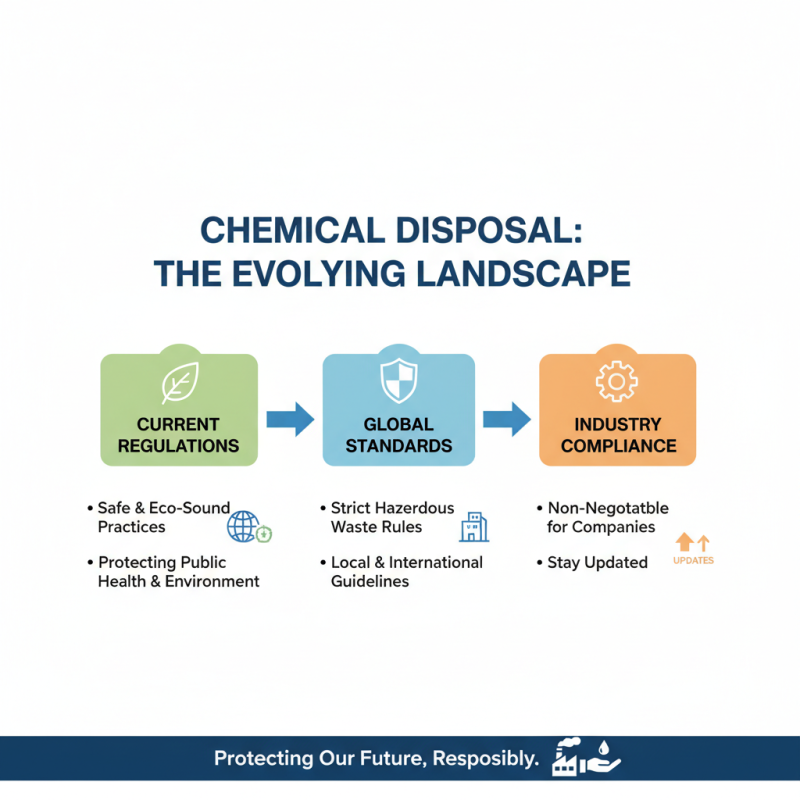
The landscape of chemical disposal is evolving. Current regulations emphasize safe and environmentally sound practices. Agencies worldwide set strict standards for handling hazardous waste. These rules aim to protect public health and the environment. Compliance is non-negotiable for companies involved in chemical handling. They must stay updated on local and international guidelines.
Tips: Regular training for staff is crucial. Knowledge about proper disposal methods ensures safety. Documenting disposal processes can prevent legal issues.
Innovations in chemical disposal are also noteworthy. New technologies are emerging, enabling safer waste treatment. Chemical recycling is gaining traction, offering sustainable options. These advancements can help reduce the environmental footprint of chemical industries. However, some companies struggle to adapt to these regulations. They may overlook or misinterpret guidelines, leading to potential hazards. It's vital to continually evaluate practices and invest in new solutions.
Tips: Regular audits can identify gaps in compliance. Collaboration with experts can lead to better practices. Staying informed about trends is crucial for adapting effectively.
Emerging Technologies in Waste Treatment and Chemical Recycling
The landscape of waste treatment and chemical recycling is evolving rapidly. Emerging technologies are reshaping how we handle chemical disposal. According to the World Economic Forum, 50 million tons of electronic waste are generated each year. A significant portion contains hazardous materials that can leach harmful substances into the environment if not managed properly. Advanced treatment methods are crucial to mitigate such risks.
Innovative approaches like pyrolysis and bioremediation show promise. Pyrolysis can convert plastics and organic materials into fuel. This process reduces landfill waste and generates valuable resources. Reports indicate that pyrolysis technologies could help recycle up to 30% of global plastic waste by 2030. Meanwhile, bioremediation employs microbes to detoxify contaminated environments. This method has gained traction due to its low environmental impact.
However, challenges remain. Not all regions have access to these technologies. Infrastructure gaps hinder the adoption of effective waste management practices, particularly in developing nations. Finding the right balance between technology and practicality is essential. The journey toward sustainable chemical disposal is ongoing and requires ongoing reflection and innovation.
Sustainable Practices and Their Impact on Chemical Disposal
The landscape of chemical disposal is changing. Sustainable practices are becoming a priority. Many industries are exploring greener alternatives. This shift reflects a growing awareness of environmental impact. Implementing these practices often requires extensive changes in operations.
Recycling and repurposing are gaining traction. Some chemicals can be reclaimed and reused. However, not all chemicals have viable alternatives. This raises questions about responsibility. Industries must consider their waste footprints. It’s not always clear how to minimize them effectively.
Innovations also play a crucial role. Advanced technologies can improve disposal methods. However, these technologies may not be accessible to all. Smaller companies often struggle to keep up. There's a need for collaboration to share knowledge and resources. As practices evolve, ongoing evaluation remains essential. The journey toward sustainable disposal is far from complete.
2026 Top Trends in Chemical Disposal Practices and Innovations
| Trend |
Description |
Impact on Sustainability |
Year Expected to Peak |
| Advanced Recycling Technologies |
Innovations in chemical recycling methods driving cleaner waste processing. |
Reduces landfill waste and enhances resource recovery. |
2026 |
| Zero-Waste Initiatives |
Adopting policies aiming for minimal waste generation in industries. |
Promotes a circular economy and decreases environmental footprint. |
2025 |
| Biodegradable Alternatives |
Use of biodegradable chemicals that decompose naturally. |
Lessens long-term environmental impact from chemical disposal. |
2027 |
| Digital Tracking Systems |
Implementation of digital technologies for tracking chemical disposal. |
Increases accountability and transparency in waste management. |
2026 |
| Education & Training Programs |
Focus on educating workers about safe disposal practices. |
Enhances safety and compliance, reducing accidents and environmental risks. |
2024 |
Innovations in Hazardous Waste Minimization Methods
Innovations in hazardous waste minimization are at the forefront of chemical disposal practices. One promising method involves the use of advanced bioremediation techniques. This approach utilizes microorganisms to degrade hazardous substances. It’s an eco-friendly alternative that could minimize the volume of waste effectively.
However, implementing bioremediation isn’t without challenges. Microbial processes may vary by site and contaminant type. Sometimes, they fail to achieve the desired reduction rates. This unpredictability urges researchers to refine and develop better microbial strains. Experimentation holds great potential, but it also raises questions about scalability and feasibility.
Another innovation is the development of green solvents. These solvents can replace traditional, toxic options in chemical manufacturing processes. Green solvents often require fewer resources to produce, which can reduce overall waste. Yet, their efficacy and economic viability in various applications still need more investigation. Some may not perform well under certain conditions. The path toward widespread adoption is filled with hurdles, stimulating ongoing dialogue and innovation.
2026 Top Trends in Chemical Disposal Practices and Innovations
Case Studies of Successful Chemical Disposal Innovations in Industry
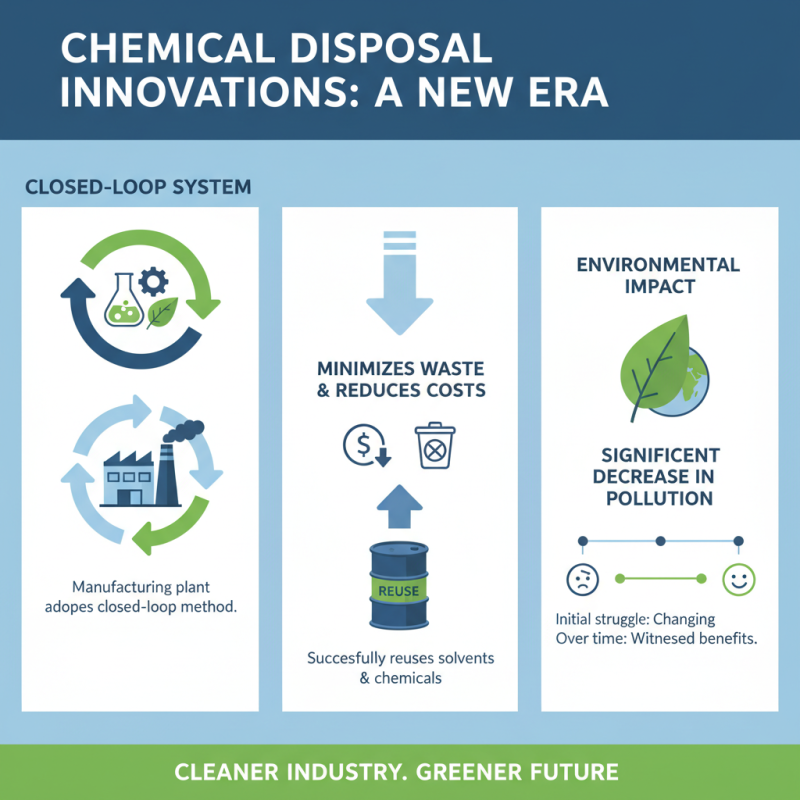
Chemical disposal innovations are transforming the way industries manage waste. One notable case involved a manufacturing plant that adopted a closed-loop system. This method not only minimizes waste but also reduces costs. The plant successfully repurposed solvents and other chemicals, leading to a significant decrease in environmental impact. Teams struggled initially to change existing protocols, but over time, they witnessed the benefits firsthand.
Another example comes from the pharmaceutical sector. A research facility implemented a new process to neutralize hazardous waste before disposal. This approach allowed them to reduce the toxicity of their waste significantly. However, challenges arose with the consistency of the outcomes. Employees needed ongoing training to ensure effectiveness. Despite these hurdles, the initiative has sparked greater awareness of responsible disposal practices within the industry.
These case studies highlight the potential for innovation in chemical disposal, yet not all attempts are flawless. Companies must remain aware of evolving regulatory landscapes and the need for continuous improvement. Regular assessments of disposal practices can lead to better methods and safer environments. The journey toward sustainable chemical disposal is ongoing, with lessons to be learned at every stage.