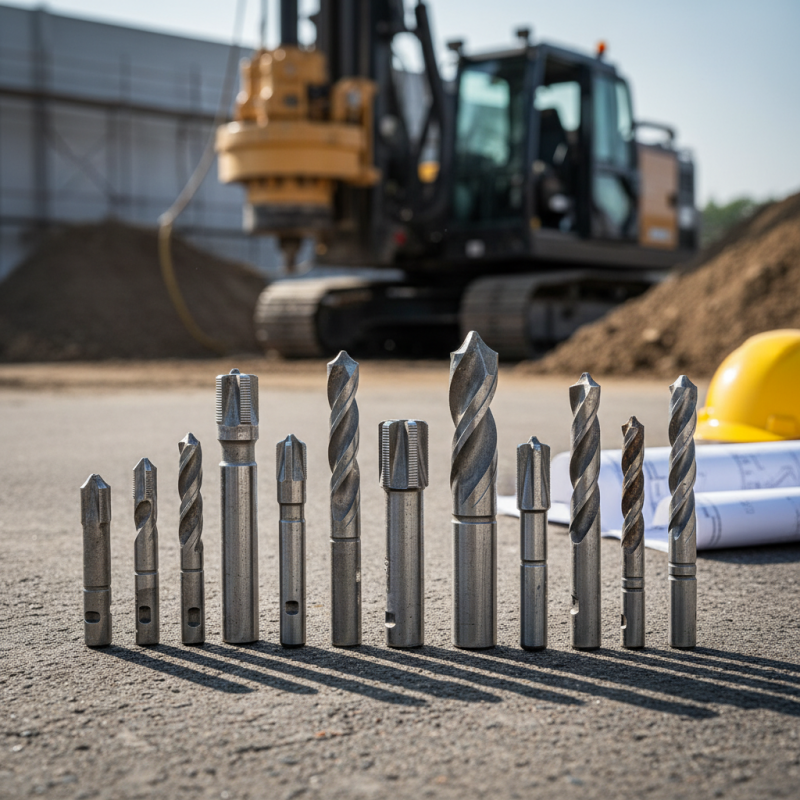
Top 10 Uses of Hollow Bits in Drilling Applications?
Hollow Bits are essential tools in various drilling applications. Their unique design allows for efficient drilling and material removal. Often overlooked, these bits serve multiple purposes across industries.
In construction, hollow bits cut through concrete and other tough materials. They create precise holes for plumbing and electrical work. In geotechnical engineering, these bits help gather soil samples for analysis. This is crucial for understanding site conditions.
Despite their advantages, using hollow bits requires skill. Operators must choose the right size and type for the job. Misuse can lead to poor performance or damage. Proper maintenance is also important for longevity. Understanding these aspects can enhance their effectiveness in drilling projects.
Overview of Hollow Bits and Their Importance in Drilling
Hollow bits play a crucial role in drilling applications. They are designed for specific tasks, such as efficient material removal. The hollow design allows for better fluid flow, reducing torque and enhancing drilling speed. According to a recent report by the International Association of Drilling Contractors, the use of hollow bits has increased productivity by up to 30% in various drilling projects.
In oil and gas exploration, hollow bits allow for real-time data collection. This is critical for decision-making. They can also aid in maintaining hole stability. Operators report fewer collapses when using these bits. However, it’s important to select the right type for the geological conditions. A miscalculation can lead to slower drilling and increased costs.
Tips: Regularly inspect the bit for wear. This ensures optimal performance. Also, consider the fluid used in your operations. The right fluid can extend the life of your hollow bit. Experimenting with different designs can lead to improvements. Finding the perfect fit may require trial and error. Keep that in mind during projects, as the learning curve may hinder efficiency initially.
Common Types of Hollow Bits Used in Various Applications
Hollow bits are essential tools in various drilling applications. These bits are specifically designed for effective material removal. Common types include diamond-tipped, carbide, and high-speed steel bits. Each type serves unique purposes across industries, enhancing efficiency and productivity.
In construction, hollow bits are vital for core drilling. They allow for the extraction of cylindrical samples from concrete or stone. Reports indicate that hollow bits improve drilling speed by up to 30%. Their design enables better heat dissipation, reducing wear and tear. This leads to increased tool longevity during a project.
In the oil and gas sector, hollow bits are used for exploratory drilling. They help in obtaining core samples from the earth's crust. According to industry studies, effective use of hollow bits can improve drilling accuracy by 25%. They also facilitate fluid flow, which is crucial in hydrocarbon extraction. However, improper selection or maintenance can lead to premature bit failure. Thus, ongoing evaluation of performance is essential for optimal results.
Key Advantages of Using Hollow Bits in Drilling Projects
Hollow bits are rapidly becoming essential tools in drilling projects. Their unique design allows for effective removal of cuttings while minimizing friction. According to a report from the International Association of Drilling Contractors, hollow bits can reduce drilling time by up to 30%. This efficiency is crucial for projects where time is money.
The advantages of using hollow bits are compelling. They enable the use of fluid circulation, which enhances cooling and lubrication. Research indicates that this can double the lifespan of a drill bit. Moreover, because hollow bits can help in monitoring downhole conditions, they provide real-time data to drill operators. However, not all drilling environments are suitable for hollow bits. In tough geological formations, their performance can be inconsistent.
Despite their benefits, some limitations exist. Hollow bits can be more expensive upfront, raising budget concerns. Additionally, improper use can lead to blockages, negating their advantages. A comprehensive understanding of the drilling environment is essential before opting for hollow bits. Decisions should be based not just on data but also on practical experience and site conditions.
Top 10 Uses of Hollow Bits in Drilling Applications
| Application | Advantages | Material Used | Suitable for |
| Soil Sampling | Efficient material retrieval without disturbance | Carbon Steel | Geotechnical Engineers |
| Core Drilling | Excellent for obtaining core samples | Diamond | Mining Industry |
| Piling | Enhanced stability and load distribution | Steel | Construction Projects |
| Horizontal Drilling | Ideal for pipeline installations | High-Speed Steel | Utility Companies |
| Water Well Drilling | Rapid water access and sustainable supply | Tungsten Carbide | Agriculture |
| Environmental Monitoring | Non-invasive sampling for accurate data | Stainless Steel | Environmental Agencies |
| Geological Exploration | In-depth study of underground formations | Alloy Steel | Research Institutions |
| Underground Construction | Facilitates tunneling and underground facilities | Special Alloy | Civil Engineering |
| Foundation Repairs | Restores structural integrity with minimal disruption | High-Strength Steel | Construction and Engineering |
| Oil and Gas Drilling | Optimized for extracting resources efficiently | Titanium Alloy | Energy Sector |
Industry-Specific Applications for Hollow Bits in Construction
Hollow bits have become essential in construction drilling. They are versatile tools, offering specific advantages across several applications. For example, in geothermal well drilling, hollow bits allow for the efficient extraction of heat from deep Earth. Reports indicate that over 60% of geothermal projects utilize hollow bit technology today, highlighting its importance.
In street and road construction, hollow bits create core samples with precision. This method helps engineers analyze soil conditions accurately. The use of hollow bits in urban environments has increased by 40% in the last five years. The ability to gather data without extensive excavation minimizes disruptions.
Tips: Always ensure the hollow bit is compatible with your drilling equipment. This compatibility directly affects efficiency and safety. Additionally, regularly inspect drill bits for wear and tear to maintain performance.
Another area is mining. Hollow bits enhance the ability to drill deep and collect minerals efficiently. They can reach depths of over 1,000 meters. However, achieving this requires careful planning and skilled operators to avoid complications. Mistakes in drilling parameters can lead to costly delays and risks.
Tips: Consider training for your drilling crew. Well-prepared operators can make a significant difference. Always have emergency protocols in place, especially in mining operations.
Maintenance Tips for Maximizing the Lifespan of Hollow Bits
Hollow bits are essential in various drilling applications, offering efficiency and precision. However, using them effectively requires proper maintenance to ensure longevity. Regular inspections are critical. Check for wear and tear frequently; this can prevent costly failures during drilling.
One major tip for maintaining hollow bits is to keep them clean. Debris and mud can accumulate, which affects performance. Use a wire brush to remove any buildup. Additionally, lubricating the bits after each use can reduce friction and prevent corrosion. A recent industry report noted that properly maintained bits can last up to 50% longer than neglected ones.
Another important aspect is drilling speed. Overdrilling can damage the bit and increase wear. Monitor the speed according to material type. Queen's University research indicated that improper speeds could reduce the efficiency of bits significantly, by as much as 30%. Consider adjusting techniques based on specific projects for optimal results. Remember that taking the time to maintain hollow bits pays off in the long run.