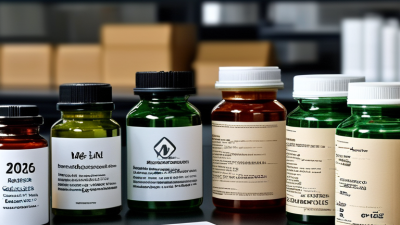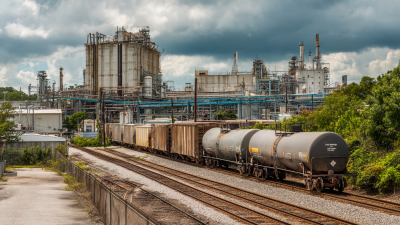
The 2026 Top Laboratory Chemicals Suppliers for Global Buyers guide responds to a market becoming more technical, regulated, and supply-sensitive. Grand View Research estimates that the global laboratory chemicals market will continue growing through 2030, supported by pharmaceutical research, biotechnology, diagnostics, and academic testing. MarketsandMarkets also projects sustained expansion, although its market value differs because researchers define product categories differently. That difference matters. Market numbers are useful, but they are not absolute.
Global buyers now examine more than catalog size or low prices. They check certificate-of-analysis accuracy, batch consistency, purity grades, storage instructions, and delivery performance. A small label error can delay an assay. A damaged bottle can interrupt an entire week of experiments. Suppliers must also provide clear technical documentation, responsive support, and practical cold-chain solutions when required. These details reveal operational experience.
Dr. Janet Woodcock, former director of the FDA’s Center for Drug Evaluation and Research, stated, “Quality cannot be tested into products; it should be built in.” Her principle applies directly to laboratory chemicals. Reliable suppliers build quality into sourcing, manufacturing, packaging, and traceability. This guide therefore considers supplier reputation, product breadth, regional availability, compliance practices, and customer service. No ranking is perfect. Buyer priorities differ, and published market reports use different methods. Still, careful comparison can reduce purchasing risk and support stronger laboratory outcomes. The best supplier is not always the largest. It is the one that delivers the right chemical, with dependable evidence, at the required time.

2026 Top Laboratory Chemicals Suppliers for Global Buyers
What Laboratory Chemicals Suppliers Provide in 2026
In 2026, laboratory chemicals suppliers provide more than bottles and delivery dates. They support method accuracy, traceability, and safer daily handling. Grand View Research estimates the global laboratory chemicals market will continue growing through 2030, with demand driven by pharmaceutical testing, diagnostics, food analysis, and academic research. This expansion raises buyer expectations.
A dependable supplier should provide certified reagent grades, current safety data sheets, certificates of analysis, and lot-level traceability. Digital portals now commonly show batch availability, expiry dates, storage temperatures, and shipping conditions. For temperature-sensitive materials, insulated packaging and recorded transit data matter. A warm package can ruin a week of careful work.
Suppliers also provide custom concentrations, smaller package sizes, technical support, and inventory planning. The OECD’s recent biotechnology and life-science assessments highlight the need for stronger quality systems and reliable research infrastructure. In practice, this means clear specifications before purchase, not vague promises after delivery. ISO/IEC 17025-related documentation can help buyers evaluate testing competence, although paperwork alone proves little. That remains a weakness.
Global buyers should compare purity, uncertainty statements, replacement policies, and regional compliance documents. They should also check whether technical staff understand the actual method. A low price may hide short shelf life or expensive cold-chain fees. Some supplier websites still make this difficult. Better transparency is overdue.
Laboratory chemical quality begins with evidence, not attractive packaging. Buyers should request a current certificate of analysis, safety data sheet, production lot, and expiration date. These records should match the label exactly. A clean-looking bottle proves little.
Experienced laboratories also examine analytical specifications. Purity alone may not be enough for sensitive testing. Trace metals, moisture, residual solvents, and microbiological limits can affect results. Ask whether the stated method suits your application.
A supplier’s testing laboratory should use validated procedures, calibrated instruments, and documented quality controls. Independent accreditation can strengthen confidence, but it does not replace reviewing actual batch records. Check the details.
Compliance requires more than shipping paperwork. Verify correct hazard labels, transport classification, storage instructions, and regional registration requirements before purchase. Packaging should protect the chemical from light, heat, moisture, and accidental leakage. Traceability matters after delivery, so retain invoices, lot numbers, inspection notes, and temperature records when needed.
I have seen teams trust a familiar specification without checking its revision date. That small oversight can delay an entire project. Buyers should also assess complaint handling, recall procedures, change notifications, and response times. No supplier is flawless. A careful evaluation acknowledges uncertainty and confirms critical information through written records.
Global laboratory buyers rarely need one supplier for every chemical. A stronger approach compares supplier categories against application, volume, and delivery risk.
Manufacturers suit routine solvents, buffers, and analytical reagents when consistent batch capacity matters. They often provide technical files, lot traceability, and defined quality grades. However, minimum order quantities can challenge smaller laboratories. That weakness is easy to overlook.
Regional distributors support mixed orders and faster delivery across local markets. They may combine laboratory chemicals, consumables, and temperature-sensitive materials in one shipment. Buyers should check storage conditions, transport records, and the freshness of certificates.
Specialty synthesis suppliers are useful for research compounds with unusual specifications. Their technical teams can discuss purity targets, packaging, and documentation before production. Timelines may be less predictable.
Local stockists help laboratories avoid long customs delays and urgent freight costs. Digital procurement platforms can improve price comparison, but product descriptions are not always complete.
Ask for evidence. Review the certificate of analysis, safety data sheet, production date, and retest policy. Reliable suppliers also explain substitution options without hiding quality differences.
In my experience, the lowest quotation is rarely the full cost. Freight, failed testing, and delayed experiments can matter more.
I would still reassess every category regularly, because supplier performance can change after one difficult shipment.
2026 Top Laboratory Chemicals Suppliers for Global Buyers
International ordering requires more than comparing prices and purity grades. Buyers should verify the chemical name, CAS number, concentration, grade, package size, and intended laboratory use. A current SDS should be available before payment. Supplier documentation must match the shipping label and commercial invoice.
Shipping conditions deserve equal attention. Some materials need light protection, moisture control, or temperature monitoring. Confirm the Incoterm, export documents, HS code, and estimated customs clearance time. Import rules vary by destination, even for routine research chemicals. A local customs broker can review permits, labeling, and receiving requirements before dispatch. Small errors can stop a shipment.
Tips: Request a sample invoice and SDS first. Check the consignee name carefully. Ask who handles damaged packages. Keep written records.
Regulatory checks should continue after delivery. Your institution may require an end-use statement, storage plan, or trained receiver. Quantities should match the project need and local rules. Never assume a document from one country satisfies another country’s authority. No checklist catches every delay. A careful review can still miss a changed customs rule. That is why buyers should confirm requirements shortly before ordering and keep a backup delivery plan. Suppliers that answer technical questions clearly, disclose limitations, and provide traceable documentation are usually safer partners for international laboratory procurement.
| Laboratory Chemical Category | Typical Buyer Use | Common Purity or Grade | Typical Pack Sizes | Potential Transport Status | Core Documents to Request | Key International Requirements | Storage and Handling Priorities | Recommended Supplier Capability | Indicative Procurement Planning Window |
|---|---|---|---|---|---|---|---|---|---|
| Analytical Reagents | Routine testing, quality control, titration, and instrumental analysis | Analytical reagent, ACS, ISO, or equivalent documented grade | 100 mL–2.5 L; 100 g–2.5 kg | Often non-dangerous goods; some solvents, acids, and oxidizers are regulated | Certificate of Analysis, Safety Data Sheet, specification sheet, lot and expiry information | GHS-compliant labeling; destination-country chemical registration and import rules | Segregate acids, bases, oxidizers, and flammables; protect from heat and moisture | Lot traceability, multilingual SDS support, export documentation, and stable inventory | 2–8 weeks, depending on stock status and destination clearance |
| HPLC and LC-MS Solvents | Chromatography, mass spectrometry, sample preparation, and mobile phases | HPLC, LC-MS, pesticide-residue, or gradient-grade solvent | 500 mL–4 L; larger drums for high-volume laboratories | Many products are flammable liquids regulated under air, sea, and road transport rules | SDS, CoA, purity profile, water content, UV absorbance, residue specification, transport classification | IATA DGR for air freight, IMDG Code for sea freight, ADR for applicable European road shipments | Approved flammable-liquid cabinets, bonding and grounding, temperature control where required | Dangerous-goods shipping authorization, leak-proof packaging, and reliable batch consistency | 1–6 weeks for stocked items; longer for restricted destinations |
| High-Purity Acids and Bases | Trace-metal analysis, digestion, synthesis, cleaning, and pH adjustment | Trace-metal, semiconductor, ultrapure, or analytical grade | 100 mL–2.5 L; industrial laboratory packs may be larger | Usually corrosive; some acids are also oxidizing or toxic | CoA with impurity profile, SDS, transport classification, packaging certificate, batch information | GHS corrosive classification; import permits or end-use controls may apply to specific substances | Corrosion-resistant secondary containment; separate acids from bases and incompatible metals | UN-approved packaging, dangerous-goods compliance, and documented impurity control | 3–8 weeks, including packaging review and customs documentation |
| Biological Buffers and Salts | Cell culture, molecular biology, protein purification, and biochemical assays | Molecular biology, biotechnology, cell-culture, or low-endotoxin grade | 25 g–1 kg; liquid formats commonly 100 mL–1 L | Generally non-dangerous; temperature-sensitive formulations may require controlled shipping | CoA, SDS, endotoxin or bioburden data where applicable, stability information, storage statement | Destination import rules for biological materials; customs classification and temperature requirements | Dry, clean storage; maintain specified temperature and avoid repeated freeze-thaw cycles | Validated packaging, temperature-monitoring options, and clear stability documentation | 1–5 weeks; cold-chain shipments may require additional coordination |
| Reference Standards | Method validation, calibration, pharmaceutical testing, and environmental analysis | Certified reference material, analytical standard, or characterized reference substance | 1 mg–100 g; solutions commonly 1–100 mL | Depends on formulation; flammable, toxic, or environmentally hazardous classifications may apply | Certificate with uncertainty, traceability, assigned value, homogeneity, stability, and expiry date | Metrological traceability and applicable laboratory quality-system requirements, including ISO/IEC 17025 practices | Follow certificate storage conditions; protect light-sensitive and moisture-sensitive materials | Strong documentation control, lot continuity, uncertainty data, and secure small-pack shipping | 2–10 weeks; custom or newly certified materials may take longer |
| Organic Synthesis Reagents | Medicinal chemistry, process development, materials research, and academic synthesis | Research grade, synthesis grade, or stated assay and impurity specification | 5 g–25 kg, depending on product and application | May include flammable solids/liquids, corrosives, toxic substances, or air-sensitive materials | SDS, CoA, structural identity, assay, impurity profile, transport classification, and export statement | Chemical control, dual-use, precursor, sanctions, and end-use screening may apply to selected substances | Use compatible cabinets, inert atmosphere where required, and segregation by hazard class | Regulatory screening, export-control review, small-volume dangerous-goods fulfillment, and lot traceability | 2–12 weeks, based on stock, export review, and destination restrictions |
| Inorganic Salts and Metal Compounds | Materials research, electrochemistry, environmental testing, and process laboratories | Analytical, trace-metal, semiconductor, or high-purity grade | 25 g–5 kg; bulk laboratory packs may be larger | Some are non-regulated; others are toxic, oxidizing, corrosive, or environmentally hazardous | CoA, elemental impurity data, SDS, transport classification, origin and lot information | Chemical registration, waste obligations, heavy-metal controls, and destination-specific import rules | Keep dry and tightly closed; segregate oxidizers, toxic compounds, and reactive metals | Consistent elemental analysis, compliant labels, secure packaging, and waste guidance | 2–8 weeks, with additional time for controlled or restricted substances |
| Cryogenic and Specialty Gases | Instrumentation, inerting, welding research, cell culture, and low-temperature experiments | Research, instrument, ultra-high-purity, or medical-related grade where applicable | Compressed cylinders, lecture bottles, dewars, or small specialty containers | Compressed or refrigerated gas; may be flammable, oxidizing, inert, toxic, or cryogenic | SDS, gas certificate, purity analysis, cylinder specification, valve type, and dangerous-goods paperwork | IATA DGR, IMDG Code, ADR, cylinder transport rules, and destination pressure-vessel requirements | Secure cylinders upright; provide ventilation; protect cryogenic containers from heat and impact | Licensed gas handling, cylinder management, refill network, and dangerous-goods expertise | 2–8 weeks; cylinder availability and local delivery infrastructure are critical |
| Fluorescent Dyes and Biological Stains | Microscopy, electrophoresis, flow cytometry, labeling, and imaging | Research grade, molecular biology grade, or application-specific validated grade | 10 mg–100 g; prepared solutions commonly 1–500 mL | Usually non-dangerous in small quantities; some formulations are toxic or solvent-based | CoA, SDS, excitation/emission data where relevant, purity, concentration, and stability information | GHS classification, chemical registration, and applicable biological-use or import declarations | Protect from light, moisture, and contamination; maintain specified temperature | Light-protective packaging, application data, batch consistency, and small-parcel export support | 1–6 weeks, depending on synthesis status and documentation |
| Polymer and Materials Precursors | Battery research, coatings, nanomaterials, polymers, and surface science | Research, electronic-grade, anhydrous, low-metal, or controlled-moisture grade | 25 g–25 kg; moisture-sensitive products may use sealed ampoules or drums | May be flammable, reactive, corrosive, air-sensitive, or environmentally hazardous | CoA, SDS, water and metal specifications, packaging details, transport classification, shelf life | REACH or equivalent registration, CLP/GHS labeling, export controls, and waste requirements where applicable | Inert, dry, temperature-controlled storage; assess incompatibility and peroxide risk where relevant | Specialty packaging, technical support, export screening, and reliable moisture-control logistics | 4–14 weeks, especially for custom specifications or controlled materials |
How to Select the Right Laboratory Chemicals Supplier
Selecting a laboratory chemicals supplier requires more than comparing prices. Check product purity, batch consistency, packaging quality, and delivery performance. Each product should include a current certificate of analysis and safety data sheet. Batch numbers must support clear traceability from production to shipment. Suppliers should also explain their quality controls, storage conditions, and handling procedures. Relevant certifications can strengthen confidence, but documents need careful verification.
Tips: Request a sample document before placing a large order. Confirm that labels remain readable after transport. Ask how temperature-sensitive materials are monitored. Compare the supplier’s stated shelf life with your testing schedule. A polished website is not proof of technical reliability. Small details matter.
For global buyers, review export documents and destination-country requirements early. Reliable suppliers communicate delays before they become laboratory problems. They should answer technical questions with precise, evidence-based information. During evaluation, test a small order and inspect the container, seal, label, and paperwork. I would not ignore a minor packaging defect, although it may not always indicate poor chemical quality. That judgment deserves documentation and a second review. A supplier who accepts reasonable questions usually supports safer, more predictable laboratory work.